Discover the Versatility of Lonicera Plants
The Lonicera genus, commonly known as honeysuckle, comprises a diverse group of flowering plants native across the Northern Hemisphere. These plants thrive in a variety of habitats ranging from dense woodlands to open fields, demonstrating remarkable ecological flexibility. Key species such as Lonicera sempervirens, Lonicera japonica, and Lonicera nitida are distinguished by their fragrant, tubular flowers, which effectively attract a wide range of pollinators including bees, butterflies, and hummingbirds. For instance, the trumpet honeysuckle Lonicera sempervirens produces vibrant red-orange flowers adapted specifically for hummingbird pollination, illustrating the genus's specialized evolutionary features.
Unique Features of Lonicera
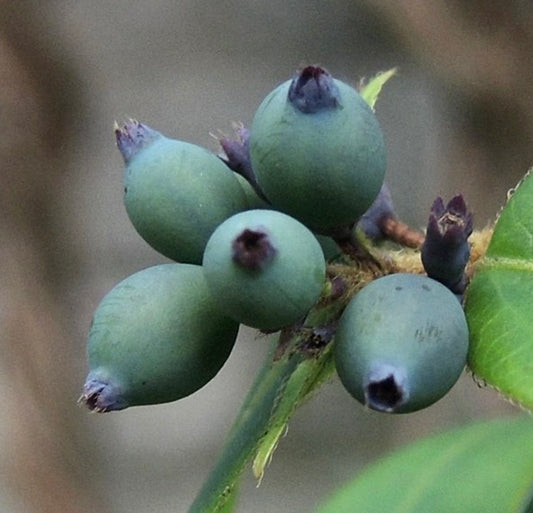
Lonicera species exhibit unique morphological traits such as opposite leaf arrangement and paired flowers often fused into tubular shapes. These adaptations enhance nectar accessibility, targeting specific pollinators effectively. Many species also develop berries that provide essential food sources for birds, which in turn facilitate seed dispersal and contribute to ecological balance. This genus prospers in diverse environments including woodland edges, shrublands, and disturbed sites. Notably, Lonicera japonica has extended beyond its native Asian range due to its vigorous growth and tolerance to various soil textures and light conditions, occasionally becoming invasive. These plants show resilience in both sandy and clay soils, and certain species can stabilize slopes, aiding in erosion prevention.
How to Care for Lonicera Plants
Growing Lonicera species such as sempervirens or nitida requires well-drained soil and exposure to full or partial sunlight to promote healthy foliage and abundant flowers. Regular pruning helps maintain their shape, controls growth, and encourages dense branching, which benefits their use as hedges or ground cover. Applying organic fertilizers during the growing season supports vigorous development and enhances flowering. Once established, many Lonicera plants exhibit significant drought tolerance, making them suitable for gardens with variable watering regimes.
Decorative Uses of Lonicera
Numerous Lonicera species serve important roles in landscaping and ecological gardening. For example, some species like the tatarica and the caerulea are commonly used as natural hedges or privacy screens due to their dense, leafy growth. The honeysuckle vine grows vigorously on trellises and fences, adding vertical interest alongside fragrant flowers that attract pollinators. Meanwhile, Lonicera nitida is valued in formal gardens for its compact form and glossy foliage. These plants support local ecosystems by providing nectar and habitat for insects and birds, thus enhancing biodiversity.
This genus offers several ecological and horticultural benefits, including:
- Attracting diverse pollinators such as bees, hummingbirds, and butterflies.
- Providing berries that serve as food for birds during autumn and winter.
- Stabilizing soil on slopes and preventing erosion in natural and cultivated settings.
- Adapting to a wide range of soil types, including sandy and clay soils.
- Enhancing gardens with their fragrant and visually appealing flowers.
Buy Lonicera Online
Our selection includes various Lonicera species such as Lonicera diervilla and ornamental cultivars like Lonicera peaches and cream. These plants complement diverse garden styles, from wildflower meadows to structured hedgerows. Understanding their ecological functions and growth requirements enables gardeners to select species adapted to their local environments. The Lonicera genus remains significant in both horticulture and ecological landscaping due to its adaptability, ecological role, and aesthetic appeal.