The Versatility and Health Benefits of Asparagus
Asparagus is a nutrient-rich perennial vegetable celebrated for its delicate flavor and numerous health benefits. It belongs to the genus Asparagus within the family Asparagaceae. This plant thrives in temperate climates across Europe, North America, and parts of Asia and Africa, demonstrating remarkable adaptability to diverse soils and environmental conditions. The edible shoots, called spears, emerge in early spring with a crisp texture and a mild, slightly sweet flavor that enhances many culinary dishes.
Asparagus
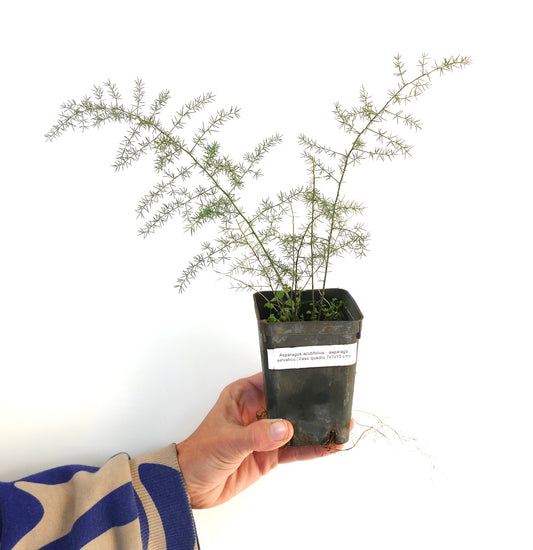
Asparagus exhibits several morphological adaptations that enable it to flourish in varied habitats. It develops a deep root system that efficiently accesses water during dry periods, while its needle-like modified leaves, known as cladodes, minimize water loss and perform photosynthesis. These traits allow asparagus to prosper in well-drained, often sandy or loamy soils, tolerating drought better than many other vegetables. Moreover, this plant produces small, bell-shaped flowers that attract pollinators such as bees and other insects, thus supporting biodiversity within local ecosystems. The plant’s berries, although toxic to humans, serve as a food source for certain bird species, aiding seed dispersal. Additionally, this plant forms symbiotic relationships with soil microbes, which enhance nutrient uptake and improve soil health.
Ecologically, asparagus plays an important role in its environment. It offers habitat and nourishment to various insects and animals during its growing season. For instance, asparagus beetles feed specifically on this plant, influencing pest management strategies in cultivation. These interactions highlight asparagus as a vital component of the ecosystems where it grows.
Asparagus Recipes
In culinary traditions worldwide, asparagus is valued for its versatility and flavor. It complements a wide range of dishes, serving as a side, a fresh salad ingredient, or an enriching addition to pasta and grain-based meals. Its tender texture and mild taste make it suitable for roasting, grilling, steaming, and more, preserving its nutrients and subtle aroma. Chefs and home cooks often pair asparagus with garlic, lemon, parmesan, and various herbs to enhance both flavor and nutritional value.
This vegetable’s adaptability in the kitchen is reflected in popular preparations such as:
- Roasted, with olive oil and garlic
- Steamed, with lemon zest
- Grilled asparagus wrapped in prosciutto
- The salad with feta cheese and cherry tomatoes
- And also asparagus risotto with parmesan cheese
Health Benefits of Asparagus
Asparagus contains essential vitamins including A, C, and K, along with folate, which is vital for DNA synthesis and repair. It also provides antioxidants such as glutathione, which protect cells from oxidative damage. Furthermore, this plant acts as a natural diuretic, promoting kidney function by increasing urine production. Its high dietary fiber content supports healthy digestion and helps reduce bloating. Notably, asparagus contains inulin, a prebiotic fiber that encourages a balanced gut microbiome, thereby enhancing immune health. Together, these properties make asparagus a valuable component of a nutritious diet. Scientific studies also indicate that compounds found in asparagus may contribute to cardiovascular health and reduce inflammation.
Cultivation and Care
Successful cultivation of asparagus requires patience and attentive care. Typically, plants take 2 to 3 years to mature sufficiently for sustainable spear harvest. Gardeners should plant asparagus crowns in fertile, well-drained soil with full sun exposure. While regular watering during dry periods supports vigorous growth, overwatering can lead to root rot and other diseases. Once established, asparagus plants can yield edible spears for 15 to 20 years. They also contribute ecologically by providing habitat and food for various insects and animals throughout their growing season. For example, asparagus beetles specifically target this plant, which influences pest control approaches. Crop rotation and mulching practices help maintain soil health and reduce disease risks, supporting long-term cultivation success.