Akebia: The Exotic Chocolate Vine
Akebia, commonly called the chocolate vine, is a semi-evergreen climbing plant native to East Asia, including Japan, China, and Korea. This genus includes several species, with Akebia quinata and Akebia trifoliata being the most widely cultivated. These species are prized for their ornamental value, combining attractive foliage, fragrant flowers, and unusual fruit. The plant’s vigorous climbing habit and ability to adapt to diverse environments make it a popular choice for gardeners and collectors worldwide.
What Is Akebia
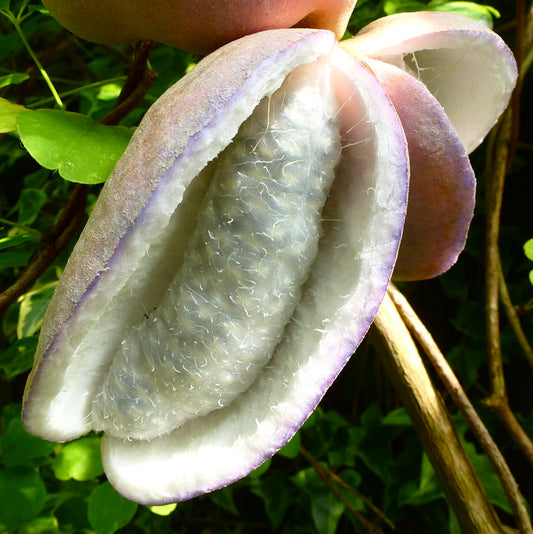
Akebia belongs to the Lardizabalaceae family and typically grows as a woody vine reaching lengths of up to 10 meters. Its compound leaves are divided into five or three leaflets, depending on the species, providing a delicate yet lush texture. In spring, the plant produces small, cup-shaped flowers, which emit a subtle, sweet fragrance that attracts various pollinators such as bees and butterflies. Following flowering, Akebia develops distinctive elongated fruits that split open to reveal edible pulp, a feature that contributes to its ecological role by encouraging seed dispersal through local wildlife. These adaptations enable Akebia to thrive in forest edges, hillsides, and temperate woodlands, where it often climbs over shrubs and trees.
Uses in Gardens and Landscaping
Akebia plants serve multiple functions in garden design due to their rapid growth and dense foliage. They effectively cover pergolas, trellises, fences, and walls, creating natural shade and privacy screens. Their semi-evergreen nature ensures year-round greenery in mild climates, while in cooler zones, their leaves turn a soft purple or bronze before dropping, adding seasonal interest. The plant’s fragrant flowers enhance garden biodiversity by attracting pollinators during the flowering season. Moreover, the edible fruits are valued in some regions for culinary uses, contributing to both ornamental and practical gardening goals. Akebia also performs well in urban settings, where it can soften hardscape features and improve air quality.
Gardeners appreciate Akebia for its tolerance to various soil types, including sandy, loamy, and clay soils, provided they are well-draining. It thrives in full sun to partial shade and requires moderate watering. Its resilience and adaptability make it suitable for a range of landscaping styles, from rustic cottage gardens to contemporary urban terraces. Furthermore, it plays a role in ecosystem support by providing habitat and food for insects and birds.
Key features of Akebia include:
- Compound leaves with five or three leaflets depending on species
- Fragrant, cup-shaped flowers appearing in spring
- Edible, elongated fruits that split open to reveal pulp
- Rapid growth suitable for covering structures
- Adaptability to diverse climates and soil conditions
Growing and Care
Akebia care involves providing well-draining soil and a position with full sun to partial shade. The plant benefits from moderate watering and can tolerate periods of drought once established. It shows considerable hardiness and adapts well to different climatic zones, from temperate to subtropical regions. Pruning is necessary to control its vigorous growth, especially when used as a decorative screen or to prevent it from overtaking nearby plants. Pruning also encourages denser foliage and better flowering in subsequent seasons. Regular monitoring helps manage its spread, as Akebia can self-seed in favorable conditions.
Propagation typically occurs through seeds or semi-hardwood cuttings taken in late summer. The plant’s root system supports climbing by anchoring securely, allowing it to scale vertical surfaces efficiently. Due to its ecological flexibility, Akebia can coexist with various plant species, contributing to habitat complexity in mixed plantings.
Akebia at Botanical Archive
At Botanical Archive, we offer a curated selection of Akebia plants including popular species like Akebia quinata and Akebia trifoliata. These plants suit gardeners interested in adding an exotic, resilient climber to their collections. Our specimens come from reliable sources, ensuring healthy growth and authenticity. Whether for enhancing garden structures, attracting pollinators, or exploring edible fruits, Akebia provides a multifaceted botanical addition with ecological and aesthetic benefits.