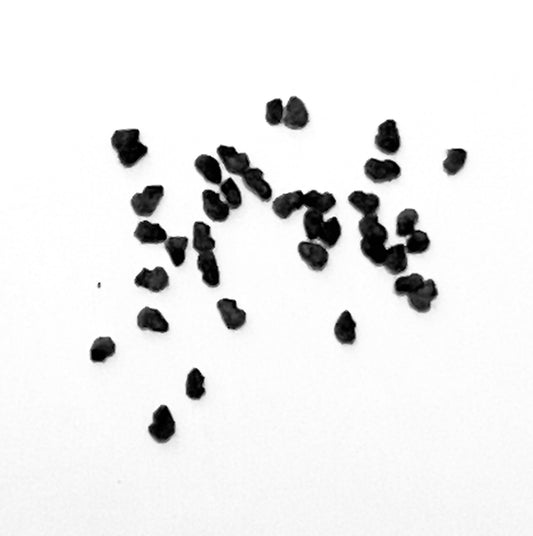
Armatocereus Seeds: Cultivate Unique Columnar Cacti
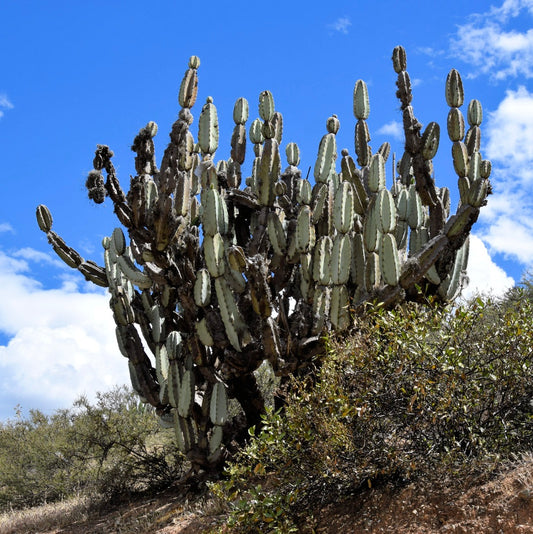
Discover the fascinating world of Armatocereus seeds, which belong to a genus of columnar cacti native to the Andean regions of South America. These cacti display impressive vertical growth and are known for their striking ribbed stems and vibrant flowers. They adapt well to arid and semi-arid environments, often thriving on rocky slopes and dry forests, where they contribute significantly to local ecosystems.
Armatocereus Godingianus: A Collector’s Favorite
The Armatocereus godingianus is distinguished by its robust, ribbed columnar stems and large, white to yellowish flowers that bloom seasonally. This species grows naturally in Ecuador and Peru, where it plays a role in stabilizing soil and offering habitat for various pollinators. Cultivating it from Armatocereus seeds allows enthusiasts to observe its slow but steady development, which can reach several meters in height over time.
Rare Species for Enthusiasts
Several species within this genus showcase diverse morphological traits that appeal to collectors. For example, Armatocereus rauhii is notable for its robust stems and dense spination, while Armatocereus cartwrightianus presents a more slender and elegant form. Other species such as Armatocereus laetus grow tall and erect, adapting well to both wild and cultivated environments. Meanwhile, Armatocereus mataranus is appreciated for its ornamental qualities, including its distinctive flower structures.
These species share ecological roles such as providing shelter and food sources for native fauna, including birds and insects. Their adaptations to drought and poor soils make them important components of their native habitats.
Easy Cultivation and Maintenance
Armatocereus seeds germinate best in well-drained, sandy or rocky soils that mimic their natural habitat. They require minimal watering, especially once established, and prefer bright light with some protection from intense midday sun. These cacti suit both indoor cultivation under controlled conditions and outdoor planting in suitable climates.
In addition to their architectural presence, these cacti occasionally produce flowers, attracting pollinators such as bees and moths. Their resilience and low-maintenance needs make them excellent subjects for botanical collections and xeriscaping projects.
To summarize, key features of Armatocereus seeds and their cultivation include:
- Adaptation to arid and semi-arid environments with rocky or sandy soils
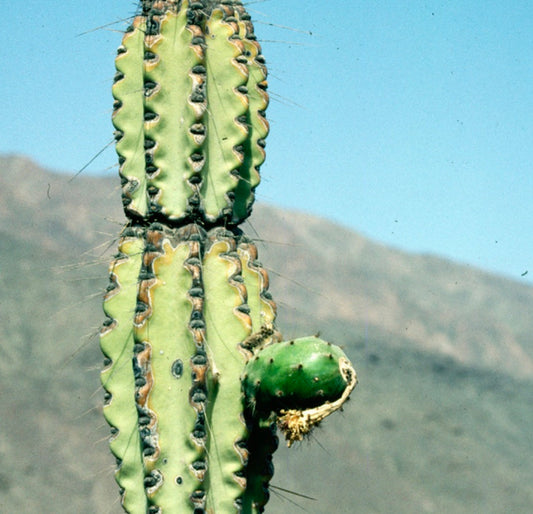
- Distinctive columnar growth with ribbed and spiny stems
- Seasonal blooming attracting native pollinators
- Ecological role in soil stabilization and habitat provision
- Low water requirements and tolerance to bright light
Overall, Armatocereus seeds offer an intriguing opportunity for gardeners and botanists interested in unique cacti that combine ecological importance with striking aesthetics.

 Sold out
 Sold out