Amelanchier Seeds: Grow the Elegance of Serviceberry Trees
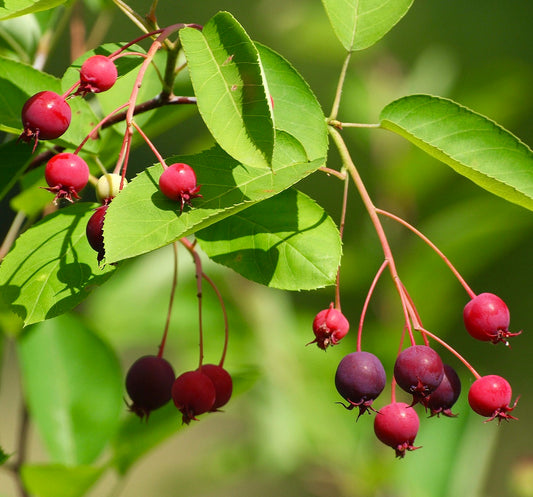
Discover the beauty of Amelanchier seeds, the foundation for cultivating elegant serviceberry trees and vibrant Juneberry plants. These deciduous trees provide stunning spring blossoms, edible summer fruits, and attractive autumn foliage, offering year-round visual and ecological interest for gardens and natural landscapes.
Serviceberry Tree: A Multifunctional Gem
The serviceberry tree (Amelanchier canadensis) is widely valued for its ornamental and ecological qualities. It produces clusters of white flowers in early spring that attract pollinators, followed by sweet, edible berries favored by birds and mammals during summer. In autumn, its leaves turn brilliant shades of red, orange, or yellow, enhancing seasonal color diversity. Growing Amelanchier seeds allows gardeners to enjoy these multi-seasonal benefits while supporting local wildlife.
Unique Varieties for Every Gardener
The genus Amelanchier includes diverse species adapted to various habitats. For example, Amelanchier laevis thrives in moist woodlands, while Amelanchier alnifolia grows well in drier, open sites and produces larger fruit commonly called Saskatoon berries. The ornamental Amelanchier arborea is noted for its graceful branching and early flowering. These species demonstrate morphological adaptations such as smooth bark and oval leaves with serrated edges. Cultivating different Amelanchier varieties can enhance biodiversity and landscape aesthetics.
Gardeners appreciate Amelanchier plants for their ecological roles, including providing food and habitat for pollinators, birds, and small mammals. Their early spring flowers support bee populations, while the summer berries serve as a vital food source for wildlife. Furthermore, these trees contribute to soil stabilization and can be integrated into riparian buffer zones to protect waterways.
Cultivating Amelanchier
Planting Amelanchier seeds is a practical way to propagate these resilient trees. They prefer well-drained soils and thrive in full sun to partial shade, adapting to a range of climatic conditions across North America. Seed stratification mimics natural winter conditions and improves germination rates. Once established, Amelanchier trees require minimal maintenance, tolerate urban pollution, and resist many pests and diseases.
Consider the following key points when growing Amelanchier seeds:
- Ensure seed stratification by cold-moist treatment for 2–3 months.
- Plant in well-drained soil with moderate moisture.
- Provide partial to full sunlight for optimal growth.
- Space seedlings adequately to allow mature canopy development.
- Monitor for common pests such as aphids and treat accordingly.
By cultivating Amelanchier seeds, gardeners can enjoy a harmonious blend of aesthetic appeal and ecological benefits. These trees support biodiversity, provide seasonal interest, and contribute to sustainable landscaping practices throughout the year.