Collection: Hovenia
Discover the Unique Hovenia Dulcis Tree
The Hovenia Dulcis, widely known as the Japanese Raisin Tree, is a deciduous tree valued for its distinctive sweet, raisin-like fruit and attractive appearance. Native to East Asia, this species adapts well to temperate climates and thrives in various habitats, including forest edges and riverbanks. Its rapid growth and resilience make it suitable for both ornamental and ecological purposes.
Hovenia Dulcis: The Sweet Fruit Tree
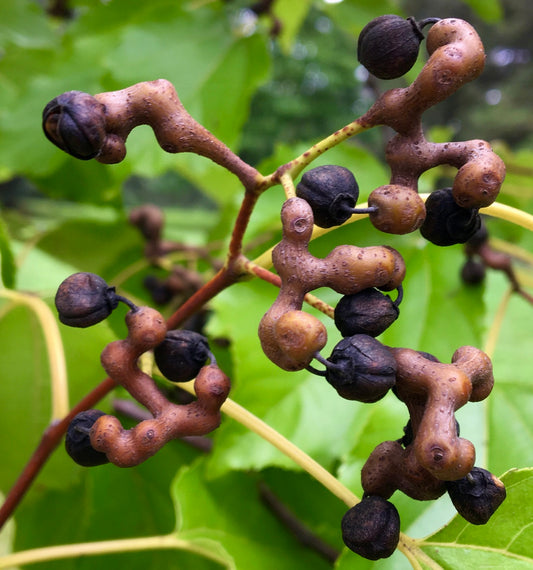
This tree produces clusters of fleshy fruit stalks that develop a unique sweet flavor reminiscent of raisins. These edible stalks have ecological significance, serving as a food source for birds and small mammals, which help disperse its seeds. The tree’s leaves are compound and serrated, providing shade and habitat for various insect species. Hovenia Dulcis also demonstrates morphological adaptations, such as its ability to tolerate drought and poor soil conditions, enhancing its survival in diverse environments.
Health Benefits of Hovenia Dulcis
Traditional medicine frequently uses extracts from Hovenia Dulcis for their therapeutic properties. The fruit and seeds contain bioactive compounds that support liver function and aid detoxification processes. Scientific studies suggest these components may alleviate symptoms of alcohol intoxication and promote overall liver health. Additionally, herbal teas made from Hovenia Dulcis have antioxidant effects and contribute to wellness, highlighting the plant’s role beyond ornamental use.
Growing and Caring for Hovenia Dulcis
The Hovenia tree prefers sunny locations with well-drained, moderately fertile soil. It shows good tolerance to urban conditions and requires minimal maintenance once established. Gardeners appreciate its rapid growth and the abundant production of sweet fruits in late summer to early autumn. The tree’s resilience against pests and diseases enhances its suitability for parks and edible gardens. In addition, its broad canopy provides shelter for wildlife, contributing to local biodiversity.
Key features include:
- Adaptability to various soil types and climates
- Rapid growth with ornamental foliage
- Sweet, edible fruit stalks beneficial for wildlife
- Low maintenance and drought tolerance
- Positive ecological impact in garden ecosystems
Why Choose Hovenia Dulcis
The Hovenia Dulcis offers a blend of ecological, ornamental, and medicinal values. Its sweet fruit stalks attract wildlife and provide edible harvests, while its traditional health uses emphasize its functional benefits. Suitable for temperate gardens, it enriches plant collections with both aesthetic charm and practical applications. This versatile tree supports biodiversity and human health, making it a notable species in botanical and ecological contexts.