Smilax: A Versatile and Hardy Climbing Genus
The Smilax genus encompasses a diverse group of climbing and thorny vines that thrive in forests and various natural landscapes around the world. This genus includes notable species such as Smilax rotundifolia, Smilax bona-nox, and Smilax aspera. These plants are well known for their resilience, adaptability, and significant medicinal properties, making them important both ecologically and culturally.
Exploring the Smilax Genus
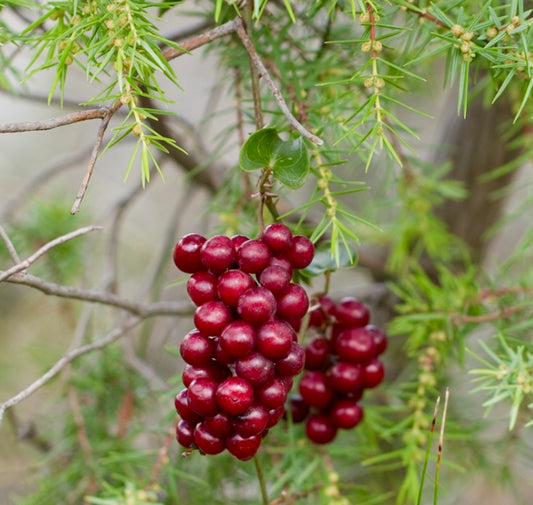
Members of the Smilax genus typically grow as woody vines or sprawling shrubs, often equipped with sharp thorns along their stems. These morphological adaptations help them climb over other vegetation and deter herbivores. They are predominantly found in temperate and tropical regions, inhabiting forests, woodlands, and scrublands. Their leaves vary from broad and heart-shaped to more elongated forms, while their flowers are usually small and greenish, followed by berries that range in color from red to black. The berries serve as a food source for various bird species, facilitating seed dispersal and supporting local ecosystems.
Growth and Care of Smilax Plants
Smilax species adapt well to a range of climates, from subtropical to temperate zones. They prefer well-draining soils with moderate moisture but can tolerate occasional drought once established. Many are evergreen or semi-evergreen, maintaining their foliage throughout much of the year. The thorny stems allow these plants to climb effectively on trees, fences, or other supports. Their distinctive foliage and climbing habit make them suitable for ornamental purposes, ground cover, or natural hedges. Additionally, they contribute to soil stabilization and provide shelter for wildlife.
These plants require minimal maintenance but benefit from occasional pruning to control growth. They can propagate through seeds or rhizomes, with some species spreading aggressively if not managed. The following list summarizes key growth characteristics and care requirements:
- Prefer partial shade to full sun exposure
- Thrive in well-draining, moderately fertile soils
- Tolerate drought but grow best with consistent moisture
- Use thorny stems for natural climbing support
- Propagate via seeds or underground rhizomes
Uses and Benefits of Smilax
The Smilax genus holds notable importance in traditional medicine, especially in Asia and North America. Extracts from roots and leaves contain compounds with anti-inflammatory, antioxidant, and detoxifying effects. These properties have led to their use in remedies for skin conditions, arthritis, and digestive issues. Moreover, some species are harvested for edible shoots and berries, which local communities consume or use in herbal preparations.
Ecologically, Smilax plants provide critical habitat and food resources for various animals. Birds and small mammals feed on the berries, while dense foliage offers shelter and nesting sites. Consequently, they play a role in maintaining biodiversity and supporting ecosystem functions. Their presence in natural landscapes contributes to soil conservation and helps prevent erosion, especially on slopes and disturbed sites.
Where to Buy Smilax Plants and Seeds
For those interested in cultivating Smilax for landscaping, ecological restoration, or medicinal purposes, specialized nurseries and seed suppliers offer a range of species. Selecting the appropriate species based on local climate, soil type, and intended use ensures successful establishment and growth. Understanding each species’ growth habits and ecological requirements aids in integrating Smilax effectively into garden designs or restoration projects.