Calycanthus: The Sweet-Scented Shrub
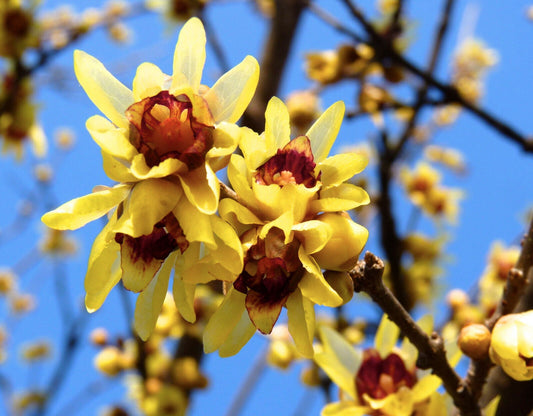
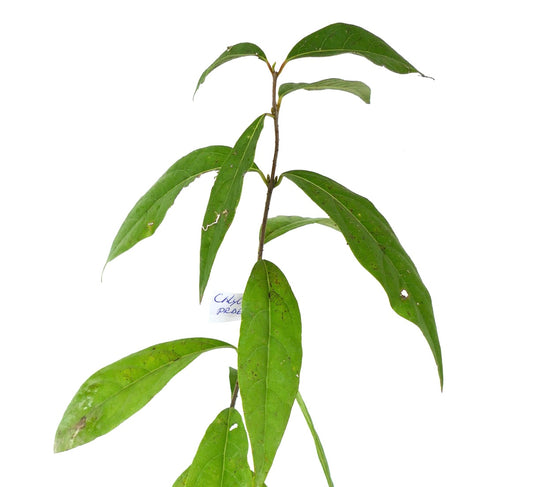
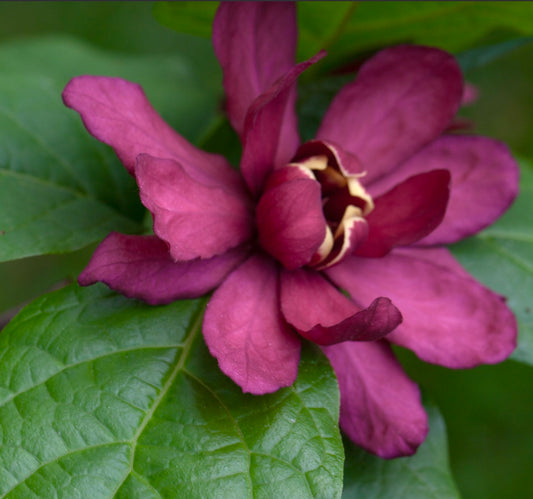
The Calycanthus, also known as sweetshrub or Carolina allspice, belongs to the family Calycanthaceae and includes several species prized for their aromatic flowers and attractive foliage. Native primarily to eastern North America, these deciduous shrubs thrive in temperate forests and woodland edges. They produce glossy, ovate leaves and distinctive blooms that range from deep burgundy to creamy white, often emitting a spicy, sweet fragrance that attracts various pollinators.
Stunning Varieties
The genus includes notable species such as Calycanthus floridus, widely distributed in the southeastern United States, and Calycanthus occidentalis, native to California. Cultivars like Calycanthus aphrodite and Calycanthus hartlage wine showcase diverse flower colors, from pale cream to rich burgundy. Additionally, Calycanthus venus offers creamy-white blossoms with a delicate scent, while Calycanthus floridus athens is valued for its intense fragrance. These species demonstrate adaptations such as thick, leathery leaves to reduce water loss and flower structures suited to beetle pollination.
Care and Cultivation
Calycanthus plants prefer well-drained, slightly acidic to neutral soils and grow best in partial shade to full sun. They tolerate drought once established and respond well to regular pruning, which promotes a dense and healthy growth habit. Their adaptability to various climates makes them suitable for gardens across temperate regions. Gardeners often select cultivars like Calycanthus burgundy spice for compact growth and rich flower color. These shrubs also resist many pests and diseases, contributing to their low-maintenance nature.
In a garden setting, Calycanthus species benefit from mulching to retain soil moisture and protect roots during colder months. They also play a role in local ecosystems by supporting pollinators such as bees and butterflies, which feed on their nectar and assist in reproduction.
Landscaping and Benefits
The Calycanthus sweetshrub serves well as a border plant or a focal point in mixed shrub borders due to its vibrant flowers and aromatic foliage. It attracts various pollinators, enhancing biodiversity within gardens. Furthermore, its dense branching provides shelter for small wildlife, contributing to ecological balance.
Gardeners appreciate the genus for its combination of ornamental beauty and ecological function. The following are key features of Calycanthus that make it valuable in landscape design:
- Fragrant, long-lasting flowers that bloom in late spring and early summer
- Glossy, dark green leaves that remain attractive throughout the growing season
- Adaptability to a range of soil types and light conditions
- Attracts pollinators such as bees and butterflies, supporting local ecosystems
- Provides habitat and shelter for small birds and insects
Overall, the Calycanthus genus combines ecological importance with horticultural appeal, making it a valuable addition to diverse garden environments.