Discover the Majestic 'Fitzroya' - The Ancient Alerce Tree
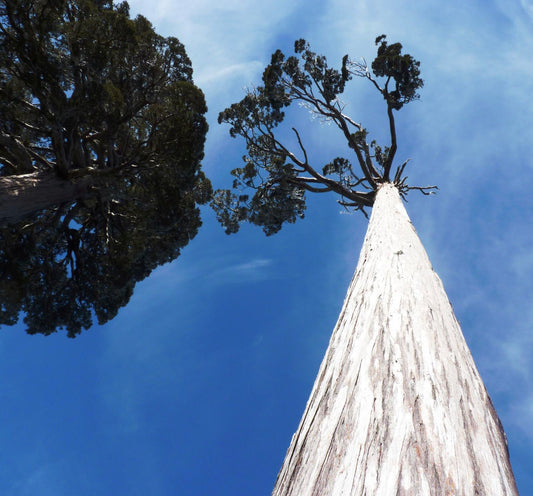
The Fitzroya genus, with Fitzroya cupressoides as its most notable species, represents one of the most ancient and remarkable conifers in South America. Commonly known as the alerce tree or Patagonian cypress, these trees can reach extraordinary ages exceeding 3,600 years, making them some of the oldest living organisms on Earth. Their impressive stature also ranks them among the tallest tree species in the region.
The Botanical Significance of 'Fitzroya'
Fitzroya belongs to the Cupressaceae family and exhibits unique botanical features adapted to its environment. As evergreen conifers, these trees maintain their foliage year-round, which aids in photosynthesis during the short growing seasons typical of their native habitats. Their thick, fibrous bark provides protection against fire and cold, while their slow growth results in dense, resin-rich wood that is highly resistant to decay. These characteristics contribute to their longevity and ecological resilience.
Growth and Habitat
These slow-growing conifers thrive mainly in the temperate rainforests of southern Chile and Argentina, typically at altitudes ranging from sea level up to 1,200 meters. They favor cool, moist climates with abundant precipitation and well-drained, acidic soils. Their natural habitat comprises mixed evergreen forests where they coexist with species such as Nothofagus and Austrocedrus. The Fitzroya trees play a vital ecological role by stabilizing soil and providing habitat for various bird and insect species.
In addition, the best soil for Fitzroya supports its growth by being rich in organic matter and maintaining moisture without waterlogging. These conditions allow the roots to develop deeply, ensuring stability and nutrient uptake. Because of its slow development, the tree allocates resources efficiently, which is reflected in its dense wood and robust structure.
Conservation and Sustainable Forestry
Due to extensive logging and habitat loss, Fitzroya cupressoides is currently classified as an endangered species. Conservation efforts focus on protecting remaining old-growth stands and promoting sustainable forestry practices. These include controlled harvesting, reforestation projects, and legal protection of critical habitats. The preservation of Fitzroya forests benefits not only the species itself but also the broader ecosystem, maintaining biodiversity and ecological balance.
Furthermore, research on Fitzroya genetics and regeneration contributes to understanding its resilience and adaptability. This knowledge supports restoration initiatives and helps mitigate the impacts of climate change on these sensitive forest communities.
Uses and Ornamental Value
The wood of Fitzroya is highly valued due to its durability, fine grain, and resistance to decay, making it suitable for construction, furniture, and artisanal crafts. Historically, indigenous peoples and settlers utilized it extensively, although modern conservation restricts large-scale exploitation.
Besides its practical uses, Fitzroya trees hold ornamental value in parks and gardens, especially in regions with climates similar to their native habitat. They require specific conditions, including moist, well-drained soils and protection from extreme heat, to thrive outside their natural range.
Among their notable ecological roles, these ornamental conifer trees contribute to urban biodiversity by providing shelter and resources for wildlife. They also enhance landscape aesthetics with their distinctive, conical shape and dense foliage.
- Native to southern Chile and Argentina's temperate rainforests
- Exhibit extreme longevity, often living over three millennia
- Possess dense, decay-resistant wood prized for various uses
- Play a key ecological role in forest stability and habitat provision
- Require moist, acidic, and well-drained soils for optimal growth


 Sold out