Discover the elegance of Crataegus
The genus Crataegus, commonly known as hawthorn, includes a diverse group of shrubs and small trees widely recognized for their ornamental beauty and ecological importance. Native mainly to temperate regions of the Northern Hemisphere, Crataegus species thrive in woodlands, hedgerows, and urban environments, adapting well to various soil types and climates. Their dense branching and thorny stems provide excellent shelter and nesting sites for birds and insects, contributing significantly to local biodiversity.
Crataegus Monogyna: A refined choice
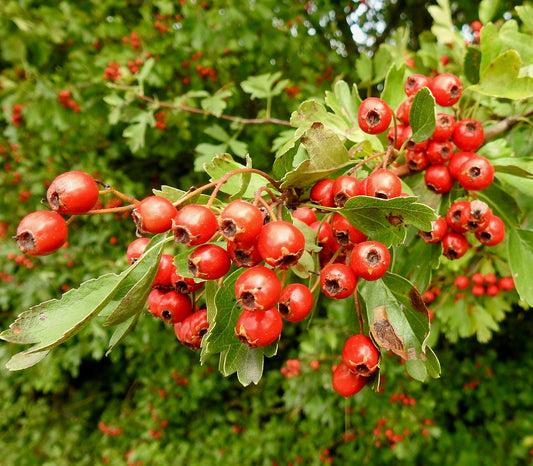
The Crataegus Monogyna, or common hawthorn, is especially admired for its elegant white spring blossoms and vibrant red fruit that persist into winter. It typically grows up to 5–14 meters tall and displays a distinctive single-seeded fruit, hence the name "monogyna." This species is widely distributed across Europe, North Africa, and Western Asia, where it forms dense thickets that protect soil from erosion and serve as natural windbreaks. Its adaptability to urban and rural settings makes it a popular choice for gardens and parks, where it supports pollinators such as bees and butterflies.
Uses and benefits of Crataegus Oxyacantha
The Crataegus Oxyacantha, often referred to as hawthorn, is notable not only for its ornamental qualities but also for its medicinal value. Traditionally, its leaves, flowers, and berries have been used to support cardiovascular health, often brewed into calming teas. Ecologically, this species plays a crucial role in hedgerow ecosystems by providing food and habitat for various wildlife, including birds and beneficial insects. Its thorny branches create effective natural barriers, which farmers and gardeners use to protect crops and delineate property boundaries.
Care and cultivation tips for Crataegus
Species within the Crataegus genus, such as Crataegus Monogyna, generally require minimal maintenance. They prefer sunny locations with well-drained, moderately fertile soil but tolerate a range of conditions, including drought and pollution. Regular pruning helps maintain their shape and encourages healthy growth. Moreover, these plants are resistant to many pests and diseases, making them suitable for sustainable landscaping.
- Plant in full sun to partial shade for optimal flowering.
- Ensure soil drainage to prevent root rot.
- Prune annually to remove dead wood and shape the plant.
- Encourage natural pollinators by avoiding pesticides.
- Use mulch to retain soil moisture and suppress weeds.
With attentive care, Crataegus species flourish, providing year-round interest with seasonal flowers, fruits, and foliage.