Discover the Beauty of Roses
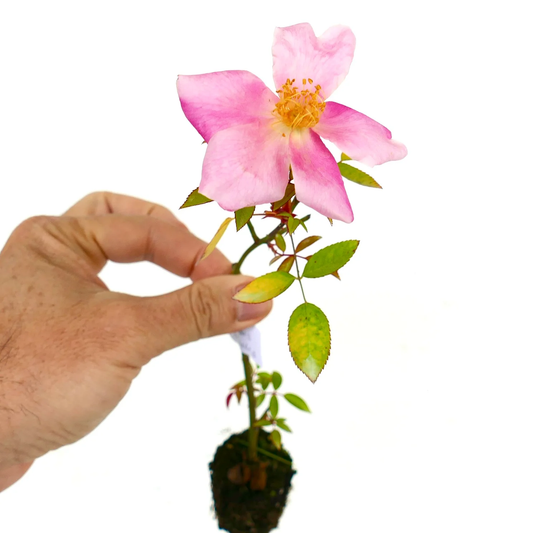
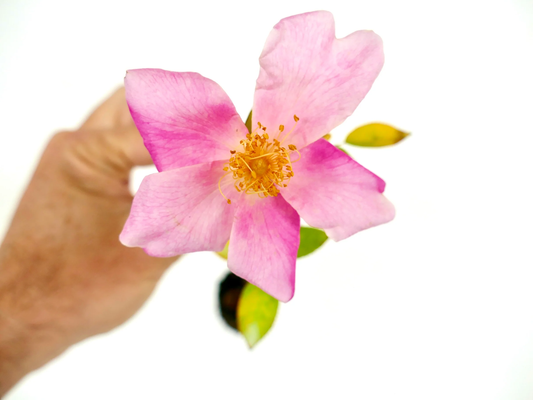
Roses belong to the genus Rosa, encompassing over a hundred species and thousands of cultivated varieties. They represent one of the most cherished and diverse groups of flowering plants worldwide. Known for their exquisite beauty and rich symbolism, roses display a wide palette of colors including red, white, and pink roses, as well as yellow, orange, and even purple hues. These flowers have adapted to thrive in various climates, predominantly in temperate regions across Europe, Asia, North America, and parts of Africa. Roses exhibit complex floral structures, typically with five petals in wild species, and many more in hybrids, which attract a variety of pollinators such as bees, butterflies, and hummingbirds. Their fragrance and form play essential roles in pollination ecology while also making them popular in horticulture, gardens, floral arrangements, and cultural traditions worldwide.
How to Grow and Care for Roses
Successful cultivation of rose plants requires understanding their specific botanical and ecological needs. They prefer well-drained rose soil mix enriched with organic matter to maintain moisture and provide nutrients. Full sunlight exposure, typically six or more hours per day, stimulates abundant blooming and healthy foliage development. Proper rose pruning is essential for controlling shape, improving air circulation, and preventing diseases such as powdery mildew and black spot. Applying balanced rose fertilizer with adequate nitrogen, phosphorus, and potassium supports vigorous growth and enhances flower production. Different types, including hybrid roses and wild roses, have distinct care requirements but generally benefit from consistent watering, mulching to conserve soil moisture, and protection from common pests like aphids and spider mites. These adaptations allow roses to flourish in diverse garden settings worldwide, from formal beds to naturalized landscapes.
Roses for Every Garden and Home
Roses offer remarkable versatility for both landscaping and indoor cultivation. Gardeners select from various forms such as climbing roses, which provide vertical interest by covering trellises and walls with vibrant blooms; miniature roses, ideal for container gardening and small spaces; and highly fragrant roses prized for their aromatic qualities that attract pollinators and enhance sensory experiences. Potted rose bushes adapt well to balconies and patios, while botanical roses contribute to biodiversity by supporting local ecosystems.
- Climbing roses can cover trellises and walls with vibrant blooms.
- Miniature roses are ideal for small spaces and indoor decoration.
- Fragrant roses enhance sensory experiences in gardens and homes.
- Wild rose species support local wildlife and promote ecological balance.
- Hybrid varieties provide a wide palette of colors and flower forms.
Exploring the
best roses for gardens helps gardeners select species suited to their climate, soil type, and landscape design, ensuring ecological harmony and aesthetic appeal.
Buy Roses Online at Botanical Archive
For those interested in acquiring roses, the availability of diverse types such as potted rose plants and fresh roses online offers convenience and access to a broad genetic diversity. These selections support various gardening goals, from ornamental display to ecological gardening that encourages pollinator habitats. Online resources often provide detailed descriptions, growth habits, and care guidelines, helping buyers make informed choices. This accessibility encourages the cultivation and appreciation of roses in numerous environments, promoting both horticultural enjoyment and biodiversity conservation.

 Sold out