
Thelocephala
-
Thelocephala duripulpa (Huasco)
Regular price €10,00 EURRegular price€35,00 EURSale price €10,00 EURSale -

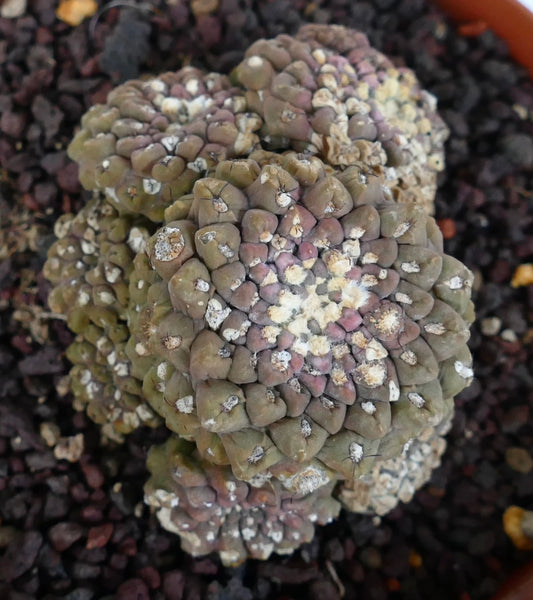 Sold out
Thelocephala glabrescens OLD CLUSTER
Regular price €50,00 EURRegular price -

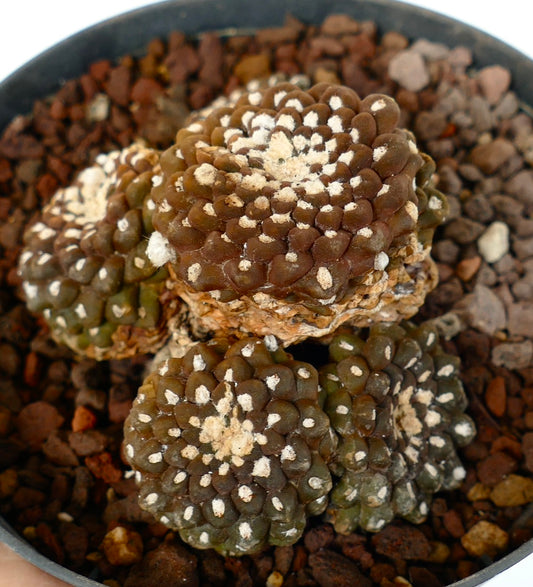 Sold out
Thelocephala nuda (Carizal Bajo)
Regular price €125,00 EURRegular price -
Thelocephala nuda (CHILE, Carizal Bajo)
Regular price €25,00 EURRegular price -
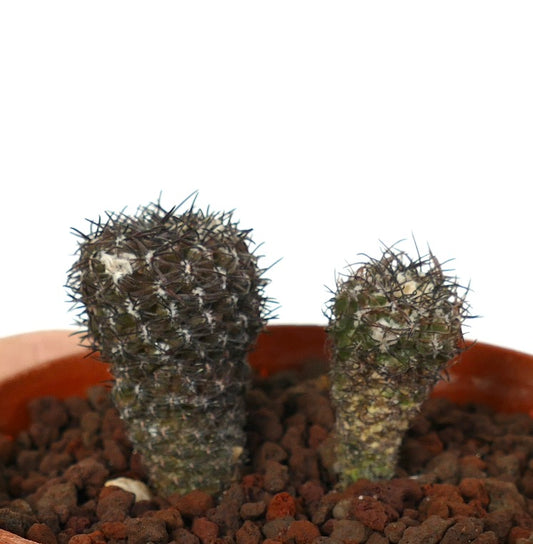
Thelocephala pajonalensis (syn. Eriosyce pajonalensis)
Regular price €65,00 EURRegular price -
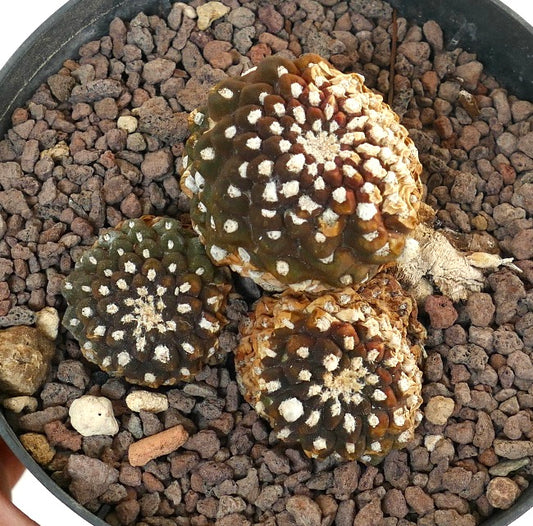
Thelocephala pajonalensis (syn. Eriosyce pajonalensis) B2C
Regular price €120,00 EURRegular price




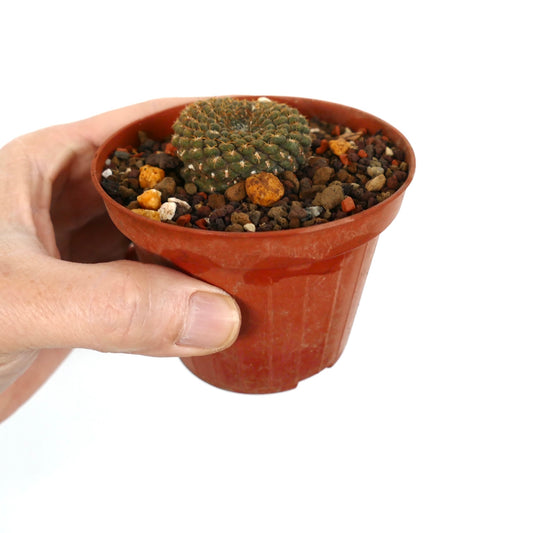

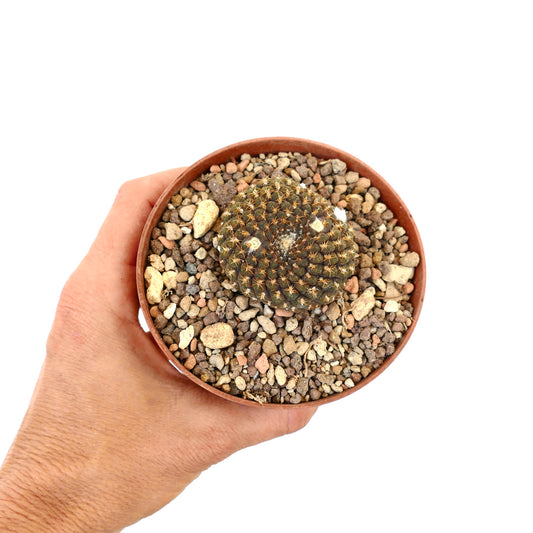
Collection: Thelocephala
Thelocephala: Unique Miniature Cacti
The Thelocephala genus includes a range of fascinating miniature cacti native to South America.
Thelocephala Primarily found in the arid regions of Chile, this group is often treated as a subgenus or synonym of Eriosyce, yet continues to hold a distinct identity among collectors due to its compact size and intriguing morphology. These cacti are adapted to harsh desert environments, often forming taproots or underground stems to survive long dry periods. Their globular forms, tubercles, and subdued surface coloration allow them to blend seamlessly with their native rocky landscapes.

The Thelocephala aerocarpa is known for its compact, rounded shape and subtle coloration, making it a favorite among cactus enthusiasts.
Its small stature and natural camouflage make it a prime example of cryptic desert adaptation. The surface may range from pale green to greyish hues, often taking on a matte texture to reflect sunlight. It typically produces large, funnel-shaped flowers in bright tones such as yellow or orange, emerging dramatically from the otherwise modest body. Meanwhile, Thelocephala napina is equally admired for its tuberculate surface and more prominent growth habit, often forming larger clusters when mature.

Species such as Thelocephala duripulpa and Thelocephala esmeraldana are rare treasures that stand out with their distinct tubercles and delicate flowers.
These species are particularly valued for their rarity in cultivation and the subtle variations that distinguish them from more common varieties. Duripulpa, for instance, has a firmer skin and deeper taproot structure, while Esmeraldana often displays pink to magenta flowers with striking central throats. Because of their compact root systems and minimal vertical growth, these plants are ideal for small pots or specialized alpine troughs, where drainage and airflow can be controlled.
Thelocephala cacti are low-maintenance plants requiring minimal watering and well-drained soil.
They should be planted in a mineral-based substrate to replicate their natural conditions, with minimal organic material to reduce the risk of rot. During the growing season—typically spring to early summer—they benefit from increased light and modest watering, though they must dry out fully between irrigation cycles. Winter dormancy requires near-total dryness and cool temperatures. With proper care, even the most challenging species can thrive in cultivation for decades.
These cacti are perfect for enthusiasts who appreciate unique, compact plants.
Their quiet beauty and subtle detail make them appealing to growers who enjoy observing slow changes over time. Species such as Thelocephala challensis may exhibit color shifts or spine changes as they mature, while others like Thelocephala glabrescens present smooth, almost spineless bodies, giving them a sculptural, minimal appearance. Their modest size also makes them suitable for grouped plantings, where different textures and flower colors can be combined in a single container.
Explore the charm of the Thelocephala genus, a perfect addition for any cactus lover.
Notable species to consider for cultivation or collection:
-
Thelocephala aerocarpa – compact form with vivid flowers
-
Thelocephala napina – textured body and clustered growth
-
Thelocephala duripulpa – firm skin and large underground root
-
Thelocephala esmeraldana – rare species with bright magenta blooms
-
Thelocephala challensis – subtle spination and rugged form
-
Thelocephala glabrescens – nearly spineless, smooth appearance
Other Collections in the Archive
-

Specimen Plants
Specimen Plants in our Store Specimen Plants captivate plant enthusiasts with their...
-
Catalogue Plants
Catalogue plants provide a wide variety of options to elevate your garden...
-

Gardening Tools & Soils
Gardening tools – essentials for healthy soils and thriving plants Building a...


