Juniperus: A Timeless Evergreen
Juniperus, commonly called juniper, comprises a diverse genus of evergreen conifers widely distributed across temperate regions of the Northern Hemisphere. These plants thrive in various habitats, including rocky hillsides, dry sandy soils, and mountainous areas. Their remarkable adaptability and evergreen foliage make them vital components of many ecosystems, where they provide essential shelter and nourishment for numerous wildlife species. Junipers also play a significant role in soil stabilization and ecosystem balance due to their extensive root systems.
The Beauty of Juniper Trees
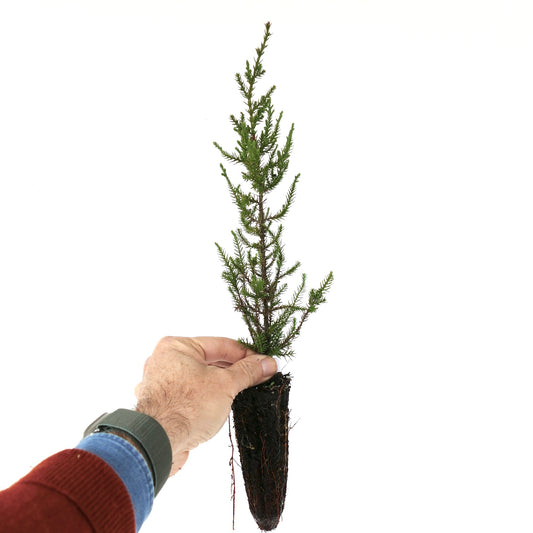
Juniper trees display a wide range of forms, from tall, columnar specimens to spreading shrubs, making them prominent features in natural and cultivated landscapes. For example, the eastern red cedar (Juniperus virginiana) exhibits dense, aromatic wood and bluish-green foliage that remains vibrant year-round. These trees support local biodiversity by providing nesting sites for birds and shelter for small mammals. Their deep roots prevent soil erosion and improve soil quality by enhancing organic matter. Many juniper species also produce aromatic compounds that influence their interactions with herbivores and pathogens.
Benefits of Juniper Bushes
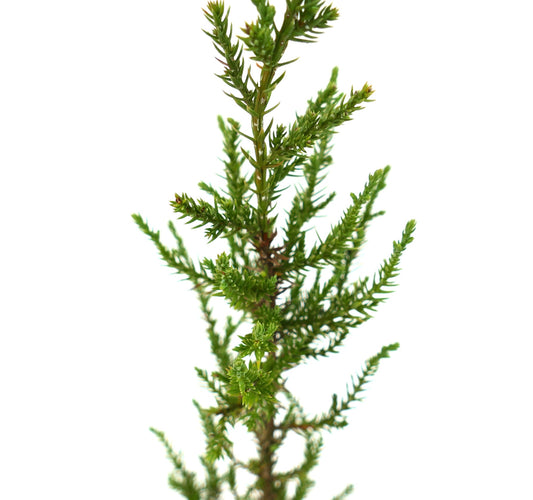
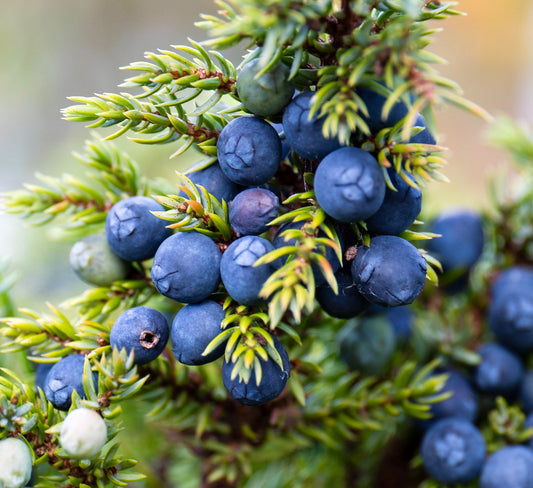
Juniper bushes are valued for their hardiness and low maintenance, making them ideal for ground cover and hedging in diverse environments. Their needle-like leaves have specialized adaptations that reduce water loss, enabling them to tolerate drought and poor soil conditions. Juniper bushes produce small blue or red berries that serve as a crucial food source for birds and mammals, facilitating seed dispersal and contributing to forest regeneration. Additionally, these bushes contain natural pest-repellent chemicals that limit damage from herbivorous insects, promoting healthier plant communities.
In landscaping and ecological functions,
- juniper bushes help control erosion on slopes,
- act as effective windbreaks in exposed areas,
- offer year-round visual interest with their evergreen foliage,
- enhance habitat diversity by supporting pollinators and wildlife,
- and their berries attract various animal species, aiding ecosystem connectivity.
These attributes underscore their importance in sustainable gardening, habitat restoration, and soil conservation efforts.
Juniperus Virginiana: A Special Variety
The Juniperus virginiana, or eastern red cedar, stands out for its fragrant reddish wood and dense, enduring foliage. It thrives in well-drained soils and tolerates urban pollution, making it a popular choice for windbreaks and privacy screens in both rural and urban settings. Ecologically, it supports a variety of bird species that consume its berries and use the tree for nesting. Its capacity to establish in disturbed areas aids natural succession and habitat regeneration, contributing to ecosystem resilience.
Other species such as Juniperus communis and Juniperus horizontalis exhibit distinct growth patterns and ecological roles. Juniperus communis, commonly known as the common juniper, occurs widely across the Northern Hemisphere, especially in alpine and subarctic zones, where it stabilizes soil and provides vital food for wildlife. In contrast, Juniperus horizontalis, or creeping juniper, forms low mats that protect soil from erosion and create microhabitats for small animals and insects. Together, these species demonstrate the genus’s broad ecological adaptations and vital role in diverse landscapes.