Discover the Resilient 'Vitis' - The Versatile Grapevine
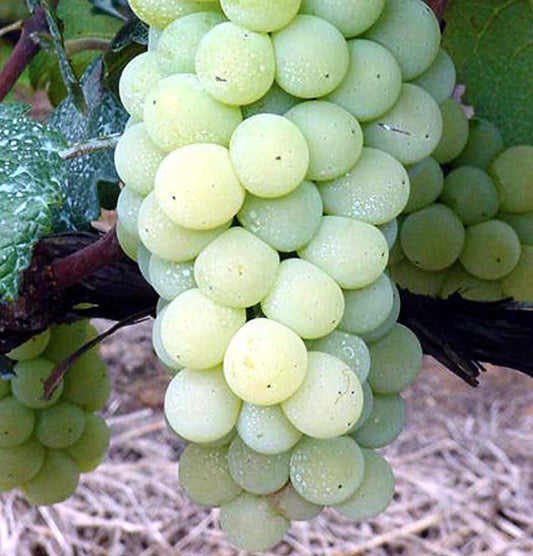
The Vitis genus comprises numerous species, including the well-known Vitis vinifera and Vitis amurensis. These species play a crucial role in wine grape cultivation and contribute to both wild grape populations and commercial agriculture. They thrive in a variety of climates, demonstrating remarkable adaptability from temperate to subtropical regions.
The Botanical Significance of 'Vitis'
Vitis species are woody, climbing plants that belong to the Vitaceae family. They exhibit characteristic tendrils that help them attach to supports, enabling extensive growth and access to sunlight. Their leaves typically have lobed shapes with serrated edges, varying among species. Flowers of Vitis are small and greenish, forming clusters that eventually develop into grape berries. These berries vary in size, color, and taste depending on the species and cultivar. Ecologically, Vitis vines provide food and habitat for various animals, including birds and insects, which assist in seed dispersal and pollination.
Growth and Cultivation
As vigorous climbers, Vitis plants grow rapidly, making them suitable for both commercial vineyards and private gardens. Their ability to tolerate drought conditions allows them to survive in regions with irregular rainfall, although they prefer well-drained, fertile soils. The root systems of Vitis adapt to different soil types, from sandy to clayey, enabling widespread cultivation. These vines require support structures such as trellises or fences to optimize sunlight exposure and air circulation, which reduces disease risk. Additionally, they contribute to soil stabilization in some ecosystems.
Common uses of Vitis include:
- Production of grapes for fresh consumption and winemaking.
- Ornamental planting for garden aesthetics and shade.
- Ecological benefits such as supporting pollinators and wildlife.
- Climbing fruit plants in agroforestry systems.
- Sources of natural compounds used in traditional medicine.
Propagation and Vineyard Management
Vitis species propagate mainly through hardwood cuttings and grafting, which preserve desired traits and ensure vigorous growth. Vineyard management involves careful pruning to balance vegetative growth and fruit production, enhancing grape quality. Regular monitoring for pests and diseases is essential, as Vitis can be susceptible to fungal infections like powdery mildew. Integrated pest management strategies help maintain healthy vines. Crop rotation and soil amendments improve vineyard sustainability and productivity.
Resistant Varieties and Ornamental Use
Advancements in breeding have produced Vitis hybrid varieties that resist cold temperatures and various diseases, expanding cultivation into cooler climates. These hybrids combine traits from different species to improve resilience and fruit quality. In addition to agricultural uses, ornamental grapevines are valued for their lush foliage and seasonal color changes, adding visual interest to landscapes. Their edible berries attract wildlife and contribute to biodiversity in garden ecosystems.