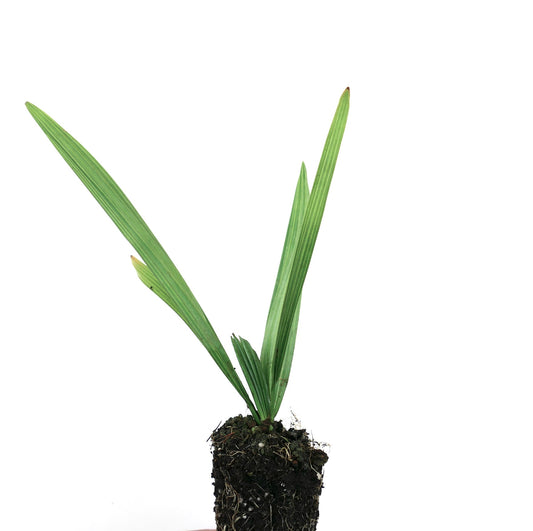
Sabal: The Hardy and Versatile Genus of Palms
The Sabal genus comprises a group of fan-leaved palms well known for their remarkable resilience and adaptability. These palms naturally grow in warm regions ranging from the southeastern United States through Mexico and the Caribbean. Their ability to thrive in diverse environments makes them important both ecologically and culturally.
Understanding the Sabal Genus
Sabal palms typically exhibit large, fan-shaped leaves supported by robust trunks. These features allow them to withstand harsh coastal winds and dry spells. They often inhabit sandy soils, coastal dunes, and subtropical forests, where they contribute to stabilizing soil and providing habitat for various animal species. Their adaptability extends to tolerating salt spray and occasional flooding, which benefits their survival in coastal ecosystems.
Key Features of Sabal Palms
Prominent species such as Sabal palmetto, Sabal minor, and Sabal mexicana display distinct morphological traits. For example, Sabal palmetto is recognized for its tall, sturdy trunk and broad leaves, while Sabal minor is a smaller, more shrub-like palm adapted to understory conditions. These palms possess fibrous trunks that provide structural support and resilience against environmental stressors. Their fan-shaped leaves not only aid in photosynthesis but also reduce water loss, an important adaptation in drought-prone areas.
Growing and Caring for Sabal Palms
Sabal palms require conditions that mimic their natural habitat. They grow best in well-drained soils with full sun exposure but can tolerate partial shade. Minimal watering suffices once established due to their drought resistance. Additionally, these palms endure poor soil quality, high winds, and occasional flooding, making them suitable for urban environments and coastal landscapes. Their slow to moderate growth rate allows them to establish deep root systems that enhance soil stability.
These palms also support local ecosystems by providing shelter and food for wildlife. Birds and insects often utilize Sabal palms for nesting and feeding, integrating these plants into complex ecological networks.
Uses and Benefits of Sabal Plants
Besides their ecological importance, Sabal species have several traditional and practical uses. Indigenous communities have long used parts of these palms for herbal remedies, especially for promoting hair and scalp health. Moreover, the strong fibers extracted from their leaves and trunks serve in weaving baskets, mats, and even in construction materials.
These palms also enhance landscapes aesthetically while providing environmental benefits such as erosion control and habitat creation. Their tolerance to challenging conditions and multifunctional uses make them valuable components in both natural and managed ecosystems.
In summary, the genus Sabal represents a group of resilient palms that adapt well to warm, often challenging environments. Their botanical characteristics and ecological roles highlight their significance beyond ornamental appeal.
- Native distribution includes southeastern US, Mexico, and the Caribbean.
- Adapted to coastal and subtropical habitats with drought and salt tolerance.
- Provide habitat and food for wildlife, supporting biodiversity.
- Used traditionally for medicine, weaving, and construction.
- Contribute to soil stabilization and erosion control in natural landscapes.