Espostoa: The Fuzzy Cactus Wonders
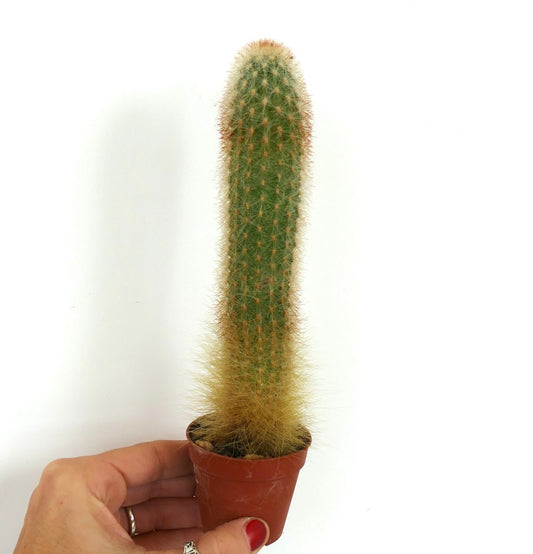
The Espostoa genus, native to the Andean regions of South America, stands out for its distinctive woolly appearance and elongated cylindrical stems. These cacti develop dense, hair-like spines that create a fuzzy texture, which helps protect them from intense sunlight and temperature extremes. They thrive in diverse habitats ranging from dry rocky slopes to high-altitude cloud forests, demonstrating remarkable ecological adaptability.
Espostoa Lanata: The Peruvian Old Man Cactus
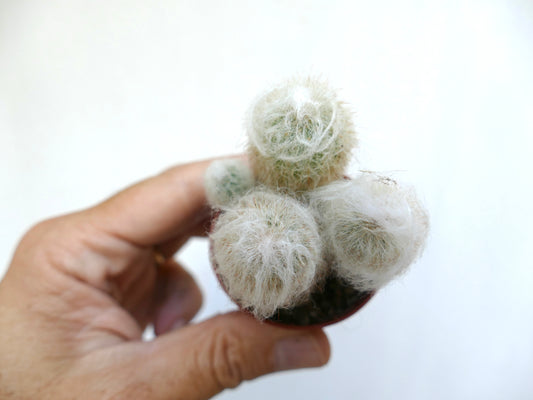
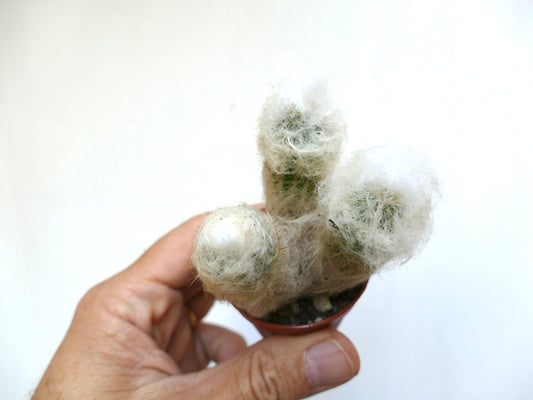
Espostoa lanata, also known as the Peruvian Old Man Cactus, features a thick coat of white, woolly fibers that insulate the plant against cold mountain nights and reduce water loss. This species typically grows in well-drained, sandy soils at elevations between 1,200 and 3,000 meters. It often associates with other xerophytic plants and contributes to stabilizing soil in its native environment.
Caring for Espostoa Cacti
Espostoa cacti require minimal care and adapt well to cultivation. They prefer sandy or gritty soil to ensure excellent drainage and avoid root rot. Watering should be moderate, allowing the soil to dry completely between sessions. These cacti flourish under bright, indirect light but can tolerate some direct sun exposure. Their slow growth and resilience make them suitable for both novice and experienced gardeners. Popular species like Espostoa guentheri and Espostoa melanostele also show similar care needs and adapt well to container growing.
Typically, Espostoa species exhibit the following characteristics:
- Dense, woolly spines that protect against harsh sunlight and aid moisture retention.
- Columnar growth habit that can reach several meters in height in natural habitats.
- Adaptation to high-altitude environments with cooler temperatures and fluctuating moisture levels.
- Flowers that usually bloom at night, attracting specific pollinators such as moths and bats.
- Ecological roles including soil stabilization and providing microhabitats for small desert fauna.
Explore Espostoa Varieties
The Espostoa melanostele cactus, known for its tall and slender form, often displays a gradient of spine coloration from dark to light, aiding in camouflage. In contrast, Espostoa guentheri tends to be more compact with a denser woolly covering, which helps reduce water loss. Each species contributes uniquely to the biodiversity of their native Andean ecosystems. Their resilience to drought and cold makes them important models for studying plant adaptations to extreme environments.
In summary, the Espostoa genus offers fascinating examples of morphological and ecological specialization among cacti. Their woolly protection, growth forms, and ecological interactions highlight the complexity of desert and mountain plant life, making them valuable subjects for both botanical study and cultivation.