Collection: Populus
Populus: The Versatile Poplar Trees
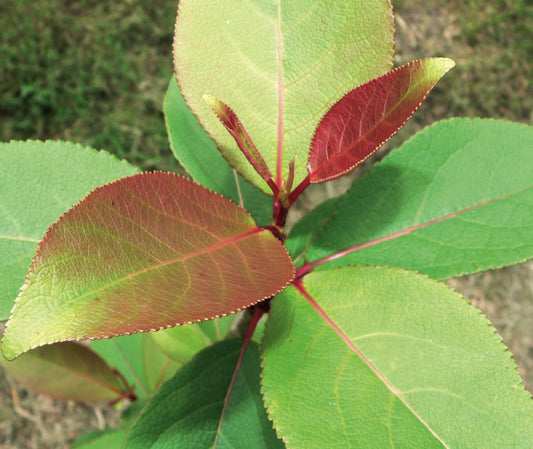
The Populus genus, commonly known as poplar trees, comprises a wide variety of fast-growing, adaptable trees. These trees thrive in diverse environments, from riverbanks to temperate forests, showcasing remarkable ecological flexibility. Their tall, slender forms and fluttering leaves add both elegance and function to landscapes worldwide.
Poplar Tree Varieties
Within the Populus genus, several species stand out for their unique traits and ecological roles. The lombardy poplar is distinguished by its narrow, columnar shape, making it ideal for windbreaks and privacy screens. The black poplar holds historical and ecological importance, often found along European waterways where it stabilizes soil and supports wildlife. Another prominent species, the eastern cottonwood (Populus deltoides), grows rapidly and features large, heart-shaped leaves that provide abundant shade. These species adapt to various soil types and moisture levels, demonstrating the genus’s wide ecological amplitude.
Populus Tremuloides: The Quaking Aspen
The Populus tremuloides, commonly called the quaking aspen, is notable for its distinctive leaf movement caused by flattened petioles. This trembling effect enhances light capture and reduces leaf damage from wind. Its bright golden foliage in autumn contributes to vibrant forest landscapes. Ecologically, quaking aspens form extensive clonal colonies through root sprouting, creating unique habitats that support diverse animal and plant communities.
Uses and Benefits of Poplar Trees
Populus species provide numerous ecological and practical benefits. They serve as effective windbreaks that protect crops and reduce soil erosion. Additionally, these trees offer valuable timber used in furniture and paper production. Their rapid growth supports biomass energy projects, contributing to renewable resource development. Some species, such as Populus alba (white poplar) and Populus trichocarpa, play crucial roles in reforestation and habitat restoration efforts. These trees also improve riparian ecosystems by stabilizing riverbanks and filtering pollutants.
In summary, the Populus genus encompasses diverse species adapted to a range of habitats. Their morphological features, ecological functions, and economic uses make them vital components of many forest and urban ecosystems.
- Poplars grow naturally across North America, Europe, and Asia, often near freshwater sources.
- They possess extensive root systems that help prevent soil erosion and improve water retention.
- Populus species provide habitat and food for various insects, birds, and mammals.
- Their leaves and bark contain compounds that deter herbivores and pathogens.
- Poplars contribute to carbon sequestration, aiding in climate regulation efforts.

 Sale
Sale