Collection: Nyssa
Nyssa: A Versatile Genus of Trees
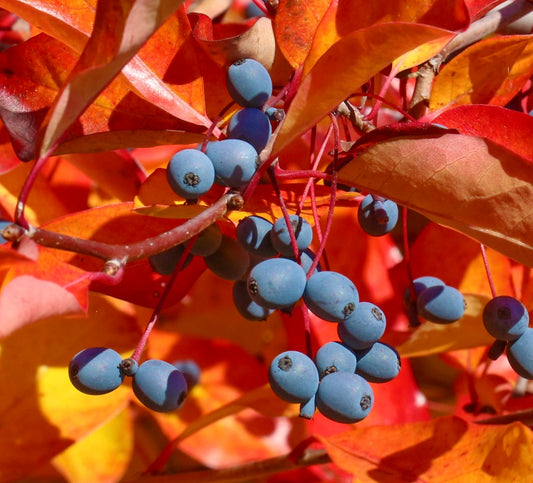
The Nyssa genus comprises several deciduous trees well known for their adaptability and striking seasonal changes. Species such as Nyssa sylvatica (black gum) and Nyssa aquatica (swamp tupelo) thrive across a range of environments, particularly in wetlands and woodlands. These trees contribute significantly to their ecosystems by providing food and habitat for various wildlife, including birds and insects. Their brilliant autumn foliage displays vivid reds, oranges, and yellows, making them highly valued in natural and cultivated landscapes.
Discover the Beauty of Nyssa Trees
Nyssa sylvatica, commonly known as black gum or black tupelo, is especially admired for its colorful fall leaves. It grows naturally in eastern North America, adapting well to upland forests and moist bottomlands. The tree features smooth gray bark and glossy green leaves that turn into spectacular autumn colors. Ecologically, it supports pollinators like bees with its small flowers and provides berries that feed birds and mammals. Similarly, Nyssa aquatica thrives in swampy, waterlogged soils and plays a crucial role in wetland habitats by stabilizing soil and filtering water.
Caring for Nyssa Trees
Growing Nyssa trees requires attention to their preferred conditions. They flourish in well-drained soil but can tolerate seasonal flooding, especially Nyssa aquatica. These trees prefer full sun to partial shade and benefit from organic-rich soil. Proper pruning encourages healthy growth and maintains their natural shape. Once established, they demand minimal care and resist many pests and diseases. Their adaptability allows them to be used in native plant gardens, restoration projects, and wildlife-friendly landscapes.
Common care tips include:
- Plant in moist, acidic to neutral soils for best growth.
- Provide adequate space for mature canopy development.
- Water young trees regularly to establish roots.
- Mulch to conserve moisture and suppress weeds.
- Monitor for common pests such as aphids and caterpillars.
Buy Nyssa Trees Online
Various Nyssa species, including Nyssa sylvatica and Nyssa aquatica, are available for cultivation in gardens and ecological restoration projects. These trees enhance biodiversity by supporting native fauna and improving soil and water quality. They adapt well to different landscape designs, from natural woodlands to urban green spaces. Understanding their ecological roles and growth requirements helps ensure successful planting and long-term survival.