Collection: Glyptostrobus
Discover the Ancient Beauty of Glyptostrobus Pensilis
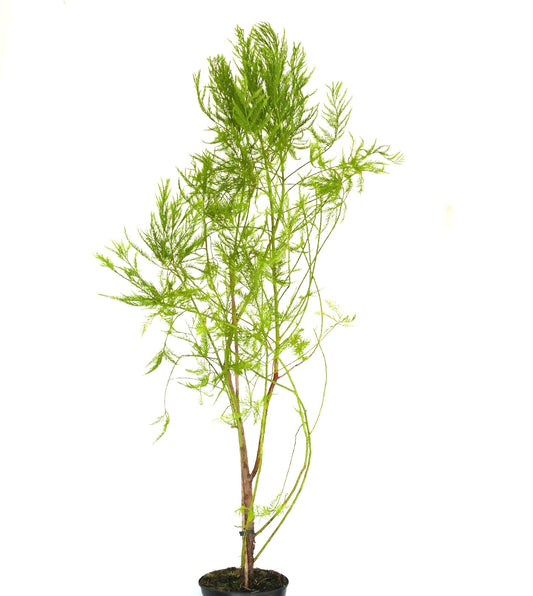
Glyptostrobus Pensilis, commonly called the Chinese Water Pine, represents a unique species of deciduous conifer with a rich evolutionary history. This rare tree belongs to the Cupressaceae family and has survived since the Late Cretaceous period, earning its status as a living fossil. It features elegant, feathery foliage that turns golden-yellow in autumn before shedding, highlighting its deciduous nature uncommon among conifers.
Glyptostrobus Pensilis: A Living Fossil
Native to subtropical regions of southeastern China and parts of Vietnam, Glyptostrobus Pensilis thrives in swampy, waterlogged soils and along riverbanks. Its natural habitat includes wetlands and low-lying floodplains where it adapts well to seasonal flooding. Morphologically, it has distinctive buttressed trunks and pneumatophores—specialized aerial roots—that enable gas exchange in saturated soils, demonstrating remarkable ecological adaptations to aquatic environments.
Caring for Glyptostrobus Pensilis
The species prefers acidic to neutral, waterlogged soils and tolerates shallow standing water, which makes it ideal for wetland restoration projects. It requires full sun to partial shade and exhibits moderate growth rates. Importantly, Glyptostrobus Pensilis shows resilience to varying climatic conditions, although it favors humid environments. Its minimal maintenance needs include occasional pruning and monitoring for pests such as aphids and scale insects.
In cultivation, consider these key care points:
- Provide consistently moist or flooded soil conditions mimicking natural wetlands.
- Ensure adequate sunlight exposure for optimal photosynthesis and growth.
- Control pests and diseases through regular inspection and organic treatments.
- Use mulch to maintain soil moisture and temperature stability.
- Plant in groups to simulate natural colonies and support local biodiversity.
Glyptostrobus in Ornamental Landscaping
With its upright, conical growth and delicate foliage, the Glyptostrobus tree enhances wetland gardens and natural water features. It functions ecologically by stabilizing soil and providing habitat for aquatic and semi-aquatic wildlife. Its autumnal color transformation adds seasonal interest, making it a distinctive alternative to evergreen conifers in landscape design. Furthermore, its ability to grow in shallow water allows integration into pond edges and riparian buffers.
Conservation and Legacy
The Glyptostrobus Pensilis faces threats from habitat loss and overexploitation. Classified as critically endangered by the IUCN, conservation programs emphasize habitat protection and ex situ cultivation. This species plays a significant role in understanding conifer evolution and wetland ecosystem dynamics. Protecting Glyptostrobus contributes to preserving biodiversity and maintaining ecological balance in its native range.