Phoenix: Iconic Palms for Every Landscape
The Phoenix genus, widely known as date palms, comprises some of the most versatile and recognizable palm species found across tropical and subtropical regions worldwide. These palms stand out for their elegant appearance and remarkable resilience, adapting well to a variety of environmental conditions. They play a significant ecological role by providing habitat and food for numerous animal species, including birds and insects. Furthermore, Phoenix palms have long been cultivated for their economic and cultural importance, especially in arid and semi-arid landscapes.
Phoenix Palm Plant
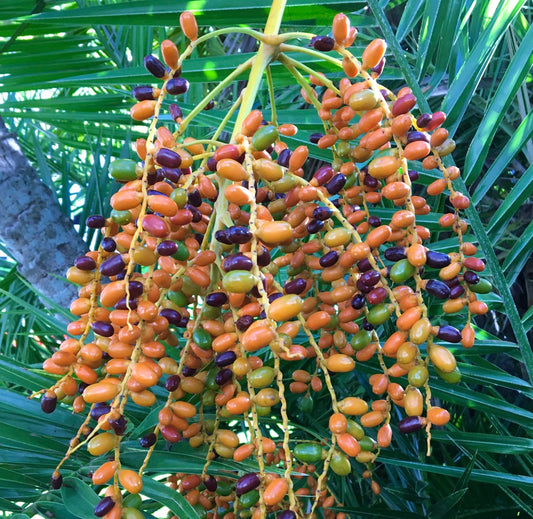
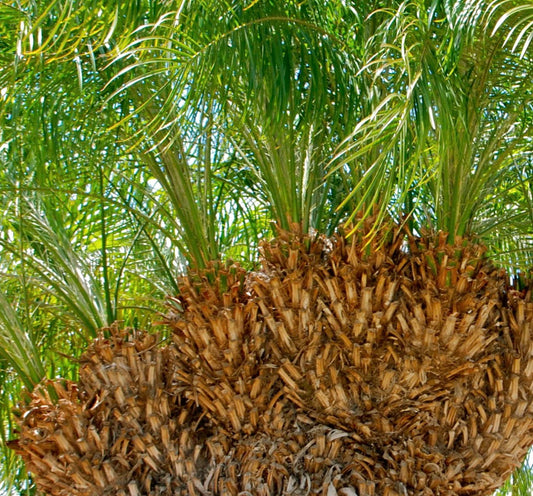
The Phoenix palm plant is highly valued for its aesthetic appeal and robust nature. It thrives in sunny, well-drained locations, tolerating drought and poor soils with ease. Morphologically, these palms exhibit pinnate leaves that form a graceful crown atop a single, sturdy trunk. These adaptations allow them to withstand strong winds and intense sunlight. They are commonly used in landscaping to create tropical or desert-themed gardens, contributing shade and vertical interest. Moreover, Phoenix palms serve as important ecological components by stabilizing soil and supporting diverse fauna.
Phoenix Tomato Plants
Beyond palms, the term Phoenix also refers to Phoenix tomato plants, known for their ability to flourish in hot climates where many other tomato varieties struggle. These plants exhibit heat tolerance and disease resistance, producing abundant fruit throughout warm seasons. Gardeners appreciate them for their reliable harvest and adaptability to varied soil types. This botanical diversity under the Phoenix name highlights the genus's broader association with plants capable of thriving in challenging environments.
Caring for Phoenix Plants
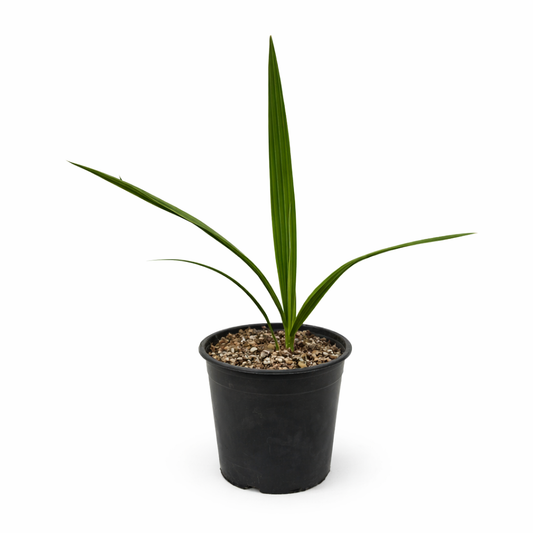
Caring for Phoenix plants generally involves providing well-drained, sandy soils combined with moderate watering to prevent root rot. These palms prefer full sunlight but can tolerate partial shade, making them suitable for various garden settings. Regular pruning of dead fronds encourages healthy growth, while fertilization during the growing season supports their development. Their low maintenance requirements and adaptability contribute to their popularity in both indoor and outdoor cultivation. Ecologically, well-maintained Phoenix palms support local biodiversity by offering shelter and food resources.
Explore the Tropical Variety
Many tropical Phoenix species exhibit unique characteristics, such as varying trunk textures and leaf shapes, which enrich the diversity within the genus. Examples include Phoenix canariensis, the Canary Island date palm, known for its large stature and ornamental use, and Phoenix roebelenii, the pygmy date palm, favored for smaller spaces. These palms often coexist with other tropical flora, contributing to complex ecosystems. Their presence enhances garden biodiversity and offers ecological benefits such as carbon sequestration and microclimate regulation.
In addition to these botanical highlights, consider the following key aspects of Phoenix palms:
- Adaptation to arid and semi-arid habitats with drought tolerance
- Ecological role as a food source for wildlife, especially birds
- Economic importance through date production in certain species
- Structural adaptations like deep root systems for water uptake
- Use in cultural and ornamental landscaping worldwide
Overall, the Phoenix genus represents a fascinating group of plants that combine beauty, resilience, and ecological significance across diverse environments.


 Sold out