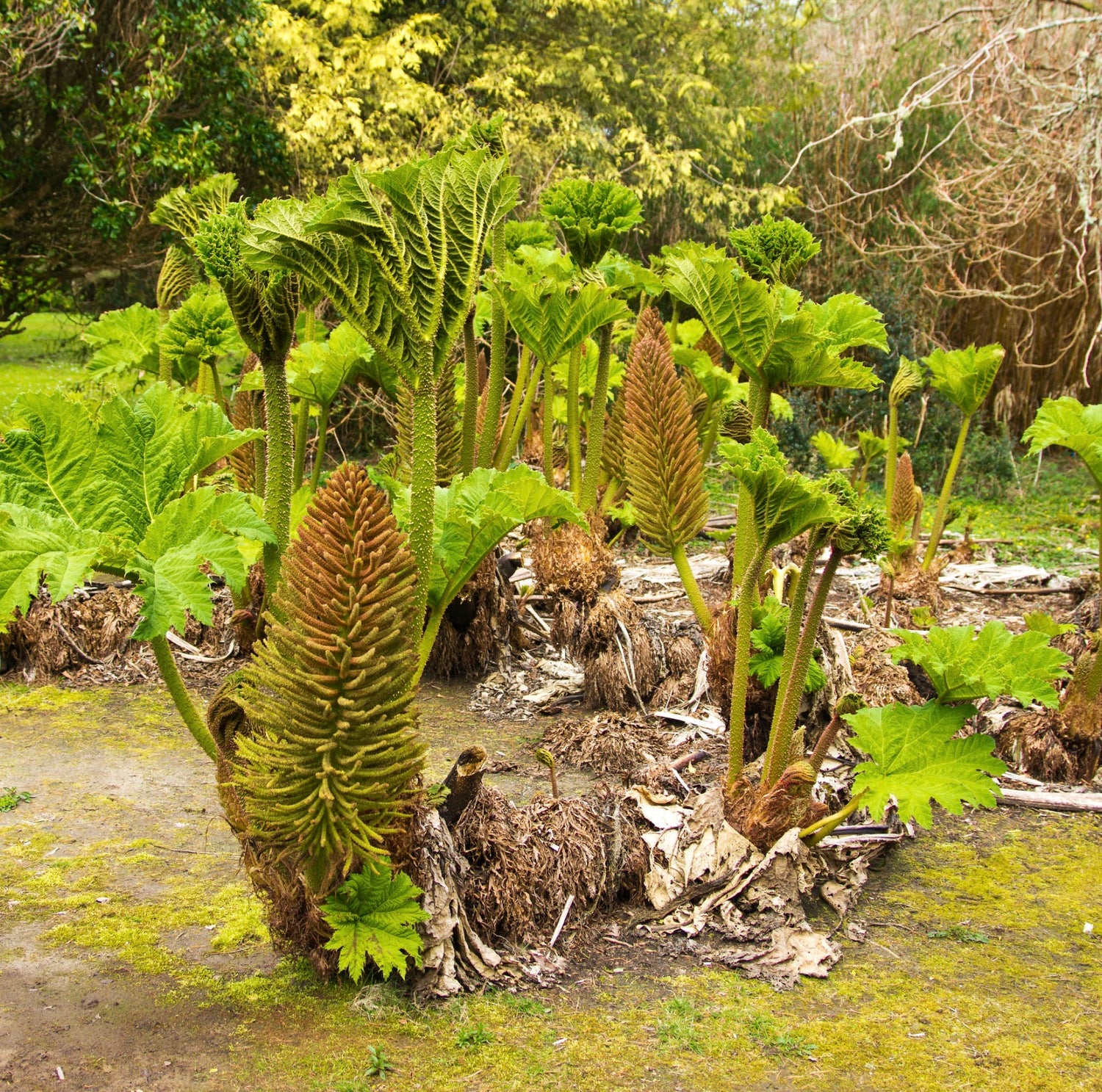
Samanea: The Expansive and Majestic Genus of Rain Trees
The Samanea genus encompasses large, spreading trees widely recognized for their broad canopies and remarkable resilience. Commonly known as rain trees, these species play a significant role in tropical and subtropical ecosystems due to their ecological functions and ornamental appeal. They provide essential shade and contribute to the structural diversity of landscapes where they grow naturally or are cultivated.
Understanding the Samanea Genus
Members of the Samanea genus belong to the Fabaceae family and are native to regions across Central and South America, Southeast Asia, and parts of Africa. These trees typically grow in warm climates and adapt well to a variety of soil types, although they prefer well-drained soils. Their expansive canopies create a microhabitat that supports various wildlife species, including birds and insects, which benefit from the shelter and food sources provided by the trees.
Key Features of Samanea Trees
Species such as Samanea saman, often called the rain tree, exhibit distinctive umbrella-like canopies formed by spreading branches and finely divided, feathery leaves. The trees produce unique pinkish pom-pom flowers, which attract pollinators and add to their ornamental value. These morphological adaptations not only aid in maximizing light capture but also help reduce water loss in hot environments. Additionally, their extensive root systems contribute to soil stabilization and nutrient cycling.
Growing and Caring for Samanea Trees
Samanea trees thrive best in full sunlight and require well-drained soil conditions to maintain healthy growth. They exhibit a fast growth rate and demonstrate notable drought resistance, making them suitable for urban landscaping, public parks, and large gardens. Regular pruning helps maintain their balanced shape and prevents excessive canopy spread, which can otherwise interfere with nearby structures or plants. These trees also play a role in improving soil fertility through nitrogen fixation, a common trait among legumes.
Important care considerations include:
- Planting in areas with adequate sunlight exposure
- Ensuring soil drainage to prevent root rot
- Periodic pruning to promote structural integrity
- Monitoring for pests and diseases common to leguminous trees
- Providing occasional watering during extended dry periods
Ecological and Practical Uses of Samanea
Beyond their decorative appeal, Samanea species contribute substantially to environmental health. They assist in erosion control through their extensive root networks and enhance carbon sequestration by storing carbon in their biomass. Their fallen leaves enrich the soil with organic matter, promoting soil fertility. Ecologically, these trees offer habitat and food for various fauna, supporting biodiversity in their native and introduced ranges.
Humans have utilized parts of Samanea trees for various purposes. The wood is valued for timber and fuel, while the bark and leaves have traditional medicinal uses in some cultures. Additionally, the foliage serves as nutritious fodder for livestock in agroforestry systems. Overall, Samanea trees represent an important genus with multifaceted ecological roles and practical applications.


 Sold out