Collection: Acacia Seeds
Acacia Seeds: Perfect for Gardening and Landscaping
The beauty and versatility of acacia seeds make them a popular choice among gardeners and landscapers. These seeds offer an excellent starting point for cultivating various acacia species, which are known for their ornamental value and ecological benefits. Native to warm regions such as Australia, Africa, and parts of Asia, acacia seeds germinate readily under suitable conditions, allowing for the growth of hardy trees and shrubs that adapt well to diverse environments.
Acacia Flower: Elegance in Every Bloom
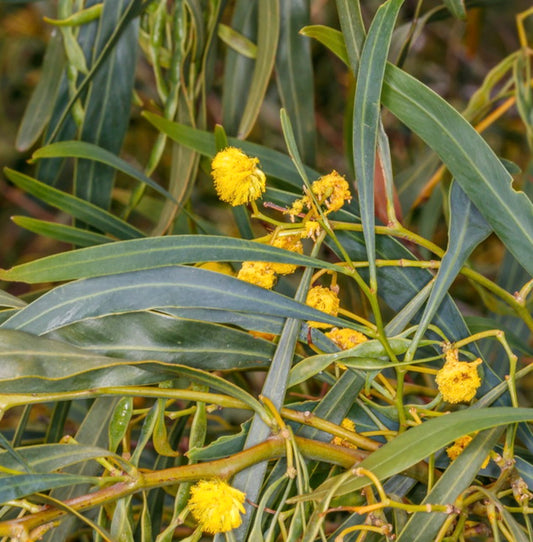
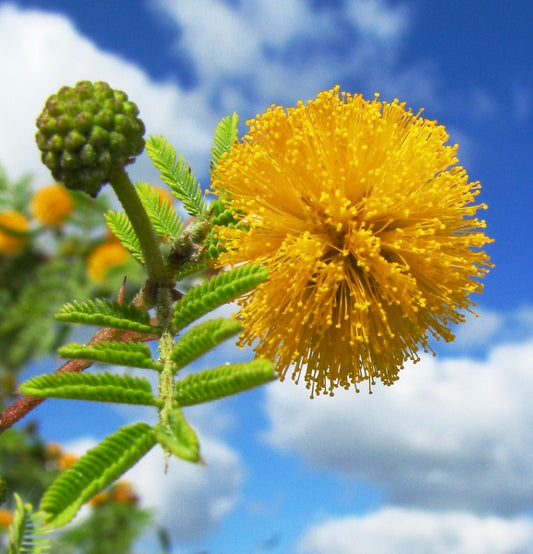
The acacia flower is admired for its delicate and fragrant blossoms, which contribute to the plant's widespread appeal. Species like the acacia nilotica plant and acacia dealbata plant produce vibrant yellow flowers that enhance landscapes with their bright color and soft texture. These flowers also play an important ecological role by attracting pollinators such as bees and butterflies, which support local biodiversity. The yellow acacia flower, in particular, stands out for its striking visual impact and seasonal blooming patterns.
Flowering Acacia Trees: Nature's Masterpiece
Planting flowering acacia tree varieties adds both color and shade to gardens and natural settings. The acacia tree seeds germinate efficiently, facilitating the growth of robust trees that can withstand drought and poor soils. Additionally, acacia seed pods serve as a natural dispersal mechanism, aiding in the propagation of these species across their native ranges. These trees often form symbiotic relationships with nitrogen-fixing bacteria, improving soil fertility and supporting surrounding plant life.
Acacia Plants: Versatile and Hardy
Several acacia plants demonstrate remarkable adaptability and usefulness. The acacia senegal plant produces gum arabic, a valuable resin used in various industries. The mimosa acacia plant captivates with its soft, fern-like leaves and elegant flowers. Meanwhile, the acacia cognata plant features lush, weeping foliage ideal for decorative landscaping. The australian acacia plant thrives in different climatic zones, showcasing the genus's extensive ecological range.
In summary, acacia seeds offer gardeners and landscapers a versatile option for creating visually appealing and ecologically beneficial spaces. Their adaptability, combined with the unique morphological traits of acacia species, ensures their continued popularity in both natural and cultivated landscapes.
Key characteristics of acacia seeds include:
- High germination rates under warm, well-drained soil conditions
- Seed coat adaptations that often require scarification for optimal growth
- Ability to establish in nutrient-poor soils through nitrogen fixation
- Contribution to habitat restoration and erosion control
- Support of diverse wildlife through flowers and seed pods

 Sold out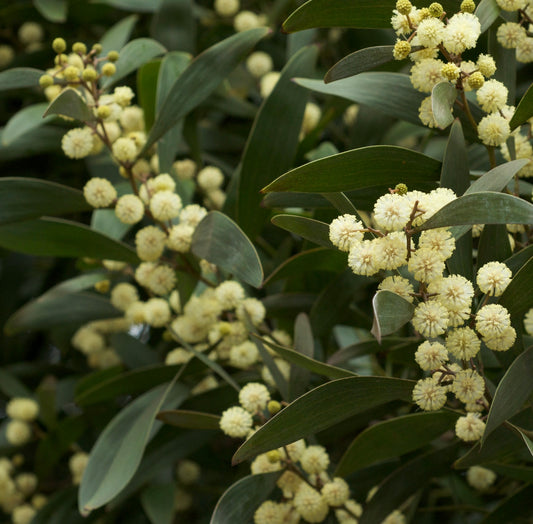
 Sold out
 Sold out