Rosmarinus: The Aromatic and Medicinal Rosemary Genus
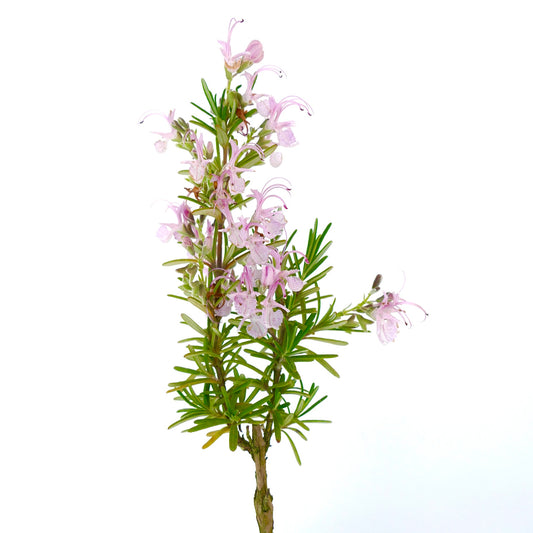
The Rosmarinus genus belongs to the Lamiaceae family and includes evergreen, aromatic shrubs native to the Mediterranean region. These plants display distinctive needle-like leaves that produce fragrant oils, which have made them valuable in culinary, medicinal, and ornamental uses. The most widely known species, Rosmarinus officinalis, commonly called rosemary, is renowned for its strong aroma and diverse applications.
What is Rosmarinus?
Rosmarinus species thrive naturally in Mediterranean climates characterized by hot, dry summers and mild winters. They exhibit morphological adaptations such as tough, narrow leaves coated with a waxy cuticle to reduce water loss. Their woody stems and deep root systems help them endure drought conditions. Ecologically, these shrubs provide habitat and nectar for various pollinators, including bees and butterflies, contributing to local biodiversity. Rosmarinus shares close relations with other members of the Lamiaceae family, such as thyme and sage, which also produce essential oils and have aromatic qualities.
How to Grow and Care for Rosmarinus
To cultivate Rosmarinus successfully, gardeners should provide well-drained soil and full sun exposure. These plants prefer sandy or loamy substrates that prevent waterlogging. Their drought tolerance allows them to survive with minimal watering, especially once established. Pruning in early spring encourages bushy growth and improves air circulation, which helps prevent fungal infections. Additionally, Rosmarinus plants benefit from occasional feeding with a balanced fertilizer during the growing season, enhancing their vigor and essential oil content.
Some essential care points include:
- Ensuring soil pH remains slightly acidic to neutral, typically between 6.0 and 7.0.
- Protecting plants from harsh winter frost by mulching or relocating potted specimens indoors.
- Maintaining adequate spacing to promote airflow and reduce disease risk.
- Monitoring for pests such as aphids or spider mites, which may occasionally affect the foliage.
Rosmarinus in Culinary and Medicinal Uses
The aromatic leaves of Rosmarinus officinalis are widely used in Mediterranean cuisine to flavor meats, stews, and breads. Its essential oil contains compounds like cineole and rosmarinic acid, which contribute to its antioxidant, antimicrobial, and anti-inflammatory properties. These qualities have led to its use in traditional herbal medicine for improving digestion, circulation, and memory. Furthermore, rosemary extracts appear in cosmetics and aromatherapy products due to their skin-soothing and invigorating effects.
Common Issues and Maintenance Tips
Rosmarinus generally resists pests and diseases but can develop root rot if soil remains too wet. Proper drainage is critical to avoid this problem. Overwatering also increases susceptibility to fungal pathogens like powdery mildew. Regular inspection and timely pruning help maintain plant health. Applying a light fertilizer in spring supports new growth and boosts essential oil production, which enhances both the plant's aroma and resilience.