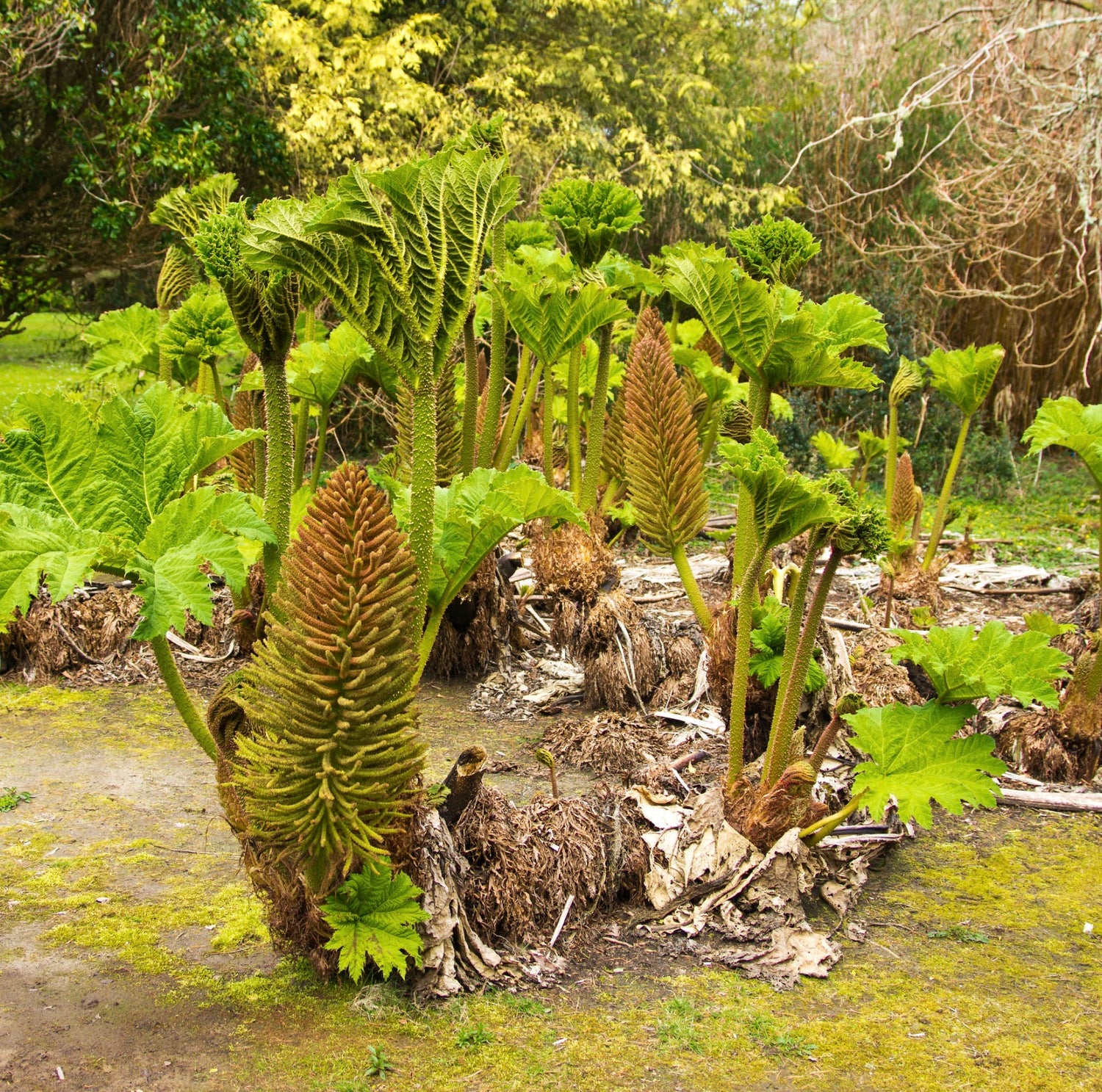
Discover the Beauty of Cyathea
Cyathea represents a remarkable genus of tree ferns known for their elegant, tropical appearance. These ferns belong to the family Cyatheaceae and include species such as Cyathea cooperi and Cyathea australis, which are widely admired for their tall, trunk-like stems and large, feathery fronds. Native primarily to tropical and subtropical regions across Central and South America, Asia, and Australasia, Cyathea species thrive in moist, shaded forest environments where they contribute to the understory vegetation layer.
What is Cyathea?
Cyathea ferns display distinct morphological adaptations that enable them to survive in humid, shaded habitats. Their fibrous trunks support a crown of large, pinnate fronds that can reach several meters in length. These fronds unfurl from coiled fiddleheads, a characteristic feature of ferns. Ecologically, Cyathea plays a vital role by providing microhabitats for various invertebrates and contributing to soil stabilization in forest ecosystems. Additionally, their spores disperse through the air, facilitating reproduction across wide areas. Some species are used in traditional practices and horticulture due to their ornamental value.
Why Choose Cyathea?
Choosing Cyathea for cultivation allows gardeners and botanists to recreate the lush ambiance of tropical forests. These ferns prefer shaded or partially shaded locations that mimic their natural understory habitats. They require consistently moist, well-drained soil rich in organic matter. Due to their sensitivity to drought and direct sunlight, maintaining high humidity and protecting them from harsh conditions proves essential. Cyathea species often coexist with other shade-loving plants, enhancing biodiversity in garden settings. Their presence can attract specific insect species and support local wildlife, further enriching the ecological value of cultivated spaces.
How to Grow Cyathea?
Successfully growing Cyathea demands attention to several critical factors. First, select a soil substrate that retains moisture yet drains well, such as a mix of peat, bark, and loam. Regular watering maintains the humid conditions these ferns require but avoid waterlogging, which can cause root rot. Additionally, maintaining ambient humidity above 60% encourages healthy frond development. Temperature preferences generally range between 15°C and 25°C, reflecting their tropical origins. Propagation usually occurs via spores or division of rhizomes, though spore cultivation requires patience and controlled environments.
In a garden or indoor setting, consider these key points for Cyathea growth:
- Provide filtered light or dappled shade to prevent frond scorching.
- Keep soil consistently moist but well-aerated to promote root health.
- Ensure high humidity through misting or humidifiers, especially indoors.
- Use organic mulch to retain soil moisture and supply nutrients.
- Protect from strong winds and sudden temperature changes.
Caring for Cyathea
Maintaining Cyathea involves regular monitoring to prevent common pests such as scale insects and aphids, which can damage fronds. Employing gentle pruning techniques removes dead or damaged foliage, encouraging new growth and maintaining plant vigor. Feeding with balanced, diluted fertilizer during the growing season supports nutrient needs, but excessive fertilization can harm sensitive roots. Additionally, disease prevention includes avoiding overly wet conditions that foster fungal infections. Understanding these care requirements helps sustain healthy, thriving Cyathea specimens in both natural and cultivated environments.