Discover the Elegance of Cyperus
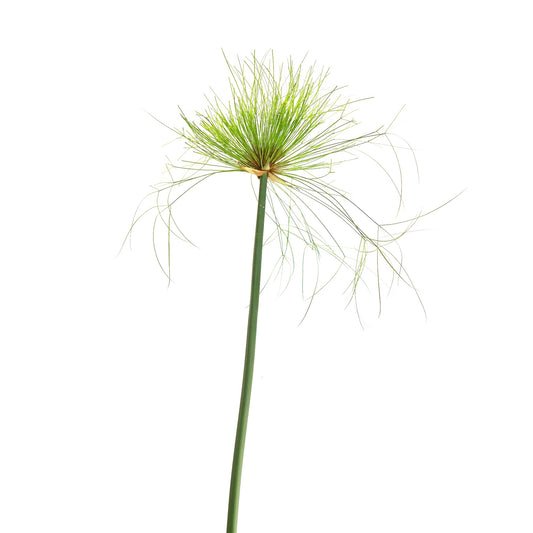
Cyperus represents a diverse genus of plants within the sedge family, Cyperaceae. This genus includes well-known species such as Cyperus papyrus, historically significant for its use in ancient paper-making, and alternifolius, commonly called umbrella sedge. These plants exhibit distinctive morphological traits including triangular stems and grass-like leaves, adapted for growth in wet and aquatic environments.
What is Cyperus?
The Cyperus genus comprises over 600 species distributed worldwide, predominantly in tropical and subtropical regions. These plants typically inhabit wetlands, marshes, riverbanks, and pond margins, where their specialized root systems stabilize soil and prevent erosion. Their inflorescences often form umbrella-like clusters, aiding in reproductive success and attracting pollinators. Notably, Cyperus papyrus played a crucial ecological role in ancient Nile River ecosystems, supporting diverse wildlife.
Why Grow Cyperus?
Cyperus species adapt well to both indoor and outdoor cultivation, especially in environments mimicking their natural wet habitats. They thrive in consistently moist or aquatic soils, making them ideal for pond landscaping and water gardens. Their rapid growth and resilient nature allow them to contribute to habitat creation for amphibians and aquatic insects. Furthermore, this plants improve water quality by filtering sediments and absorbing nutrients, thereby supporting ecological balance.
Caring for Cyperus
Successful cultivation of Cyperus requires maintaining high moisture levels and providing nutrient-rich, well-drained soils. These plants prefer bright, indirect sunlight but tolerate partial shade. Regular pruning prevents overcrowding and promotes vigorous growth. Additionally, controlling water pH and avoiding stagnant conditions help prevent root diseases. Commonly, gardeners grow papyrus plants in water gardens or containers, ensuring adequate light and humidity for optimal health.
Cyperus Propagation and Uses
Cyperus propagates efficiently through division or stem cuttings, facilitating easy multiplication. Historically, Cyperus papyrus served as a raw material for papermaking in ancient Egypt, illustrating its cultural significance. Besides ornamental use, some species have ethnobotanical applications, including traditional medicine and fiber production. In modern ecological landscaping, its supports biodiversity and water management efforts.
In summary, key attributes of this plant include:
- Adaptation to wet and aquatic habitats worldwide
- Distinctive triangular stems and umbrella-like flower clusters
- Ecological roles in soil stabilization and water filtration
- Propagation through division and cuttings
- Historical and contemporary uses in papermaking and landscaping