Discover the Versatile 'Vaccinium' - A Genus of Edible Berry Plants
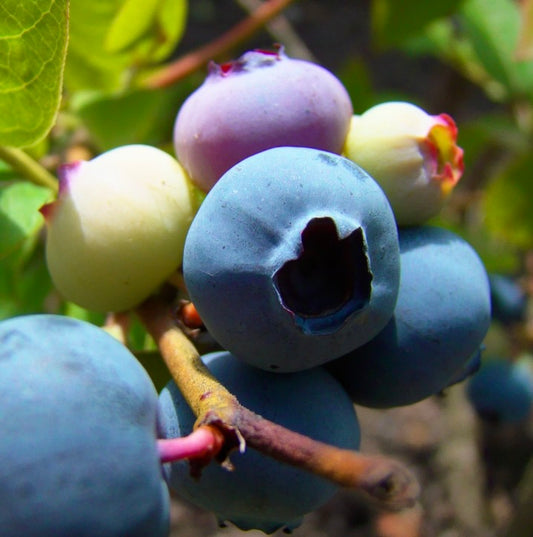
The Vaccinium genus comprises a diverse group of berry-producing shrubs found across many temperate and subarctic regions worldwide. This genus includes notable species such as Vaccinium corymbosum (highbush blueberry), Vaccinium ovatum (evergreen huckleberry), and Vaccinium angustifolium (lowbush blueberry). These plants produce edible berries that are rich in antioxidants and have significant ecological and nutritional value. They thrive in various climates, ranging from forest understories to open heathlands, adapting well to different habitats.
Diversity of 'Vaccinium' Species
The genus Vaccinium contains over 450 species distributed mainly in the Northern Hemisphere, with some species extending into the Southern Hemisphere. These shrubs exhibit diverse morphological traits, such as leaf shape, berry color, and plant size, which reflect their adaptation to specific environments. For example, Vaccinium corymbosum prefers moist, acidic soils in well-drained forest areas, while Vaccinium ovatum often grows in coastal forests with mild climates. The berries vary in color from blue and black to red, serving as an important food source for birds and mammals, thus playing a crucial role in seed dispersal and forest ecology.
Growth and Cultivation
Many Vaccinium species are shade-tolerant and commonly grow in forest understory environments where light availability is moderate. They prefer acidic soils with a pH typically between 4.5 and 5.5, which is critical for nutrient uptake and healthy growth. Gardeners and cultivators often propagate Vaccinium through cuttings or seeds, although cuttings provide faster establishment. These plants have adapted root systems that associate with mycorrhizal fungi, enhancing nutrient absorption, especially in nutrient-poor soils. Their growth cycle includes a dormant period in winter, followed by flowering in spring, with berry production occurring in summer to early autumn.
Health and Medicinal Benefits
Edible berries from Vaccinium species are widely recognized for their health benefits. They contain high levels of vitamins C and K, dietary fiber, and antioxidants such as anthocyanins and flavonoids. Vaccinium myrtillus (bilberry) has a long history in herbal medicine, used to improve vision and support cardiovascular health. Scientific studies suggest that these berries may help reduce inflammation and oxidative stress, contributing to the prevention of chronic diseases. Their nutritional profile makes them valuable components in diets worldwide.
Harvesting and Landscaping Uses
Vaccinium species are popular in landscaping due to their attractive foliage, flowers, and edible fruits. They are often incorporated into native plant gardens and wildlife habitats to support biodiversity. Harvesting blueberries and other berries is relatively straightforward, typically occurring when fruits reach full color and sweetness. These plants grow quickly under suitable conditions and require minimal maintenance once established. Additionally, their presence enhances native North American berry ecosystems by providing food and shelter for pollinators and other wildlife.
Key features of Vaccinium plants include:
- Adaptation to acidic, well-drained soils
- Shade tolerance, allowing growth in forest understories
- Symbiotic relationships with mycorrhizal fungi
- Ecological role as food sources for birds and mammals
- Varied berry colors and nutritional profiles across species