
Secure Payments
Your security comes first. All our payment methods follow PCI standards and support 3D Secure authentication for safe checkout.

Couldn't load pickup availability
Plant Description
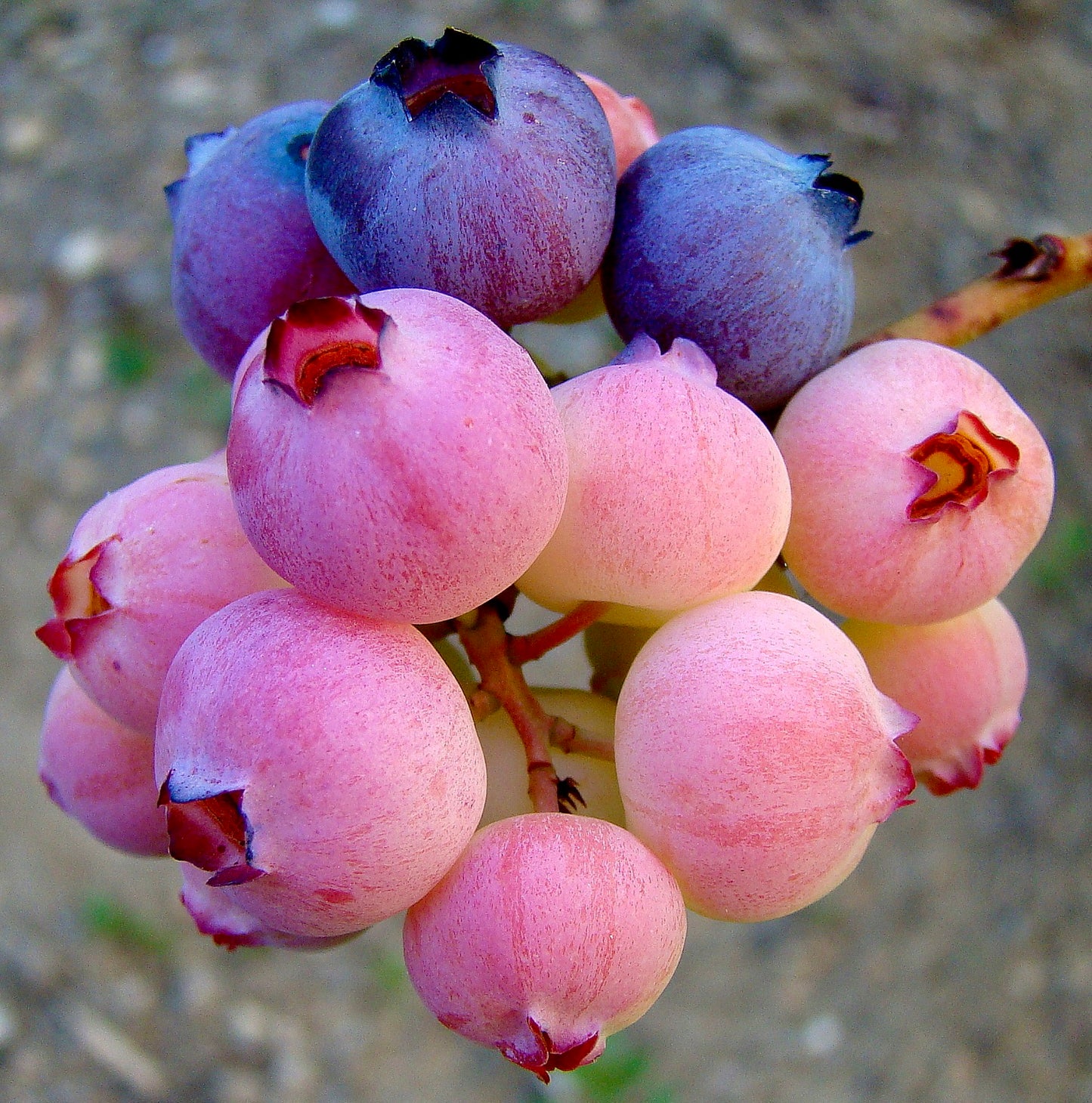
Vaccinium corymbosum Pink Lemonade captivates gardeners with its unique blend of ornamental charm and edible delight. This North American blueberry variety stands out for its striking pink berries, which add vibrant color to any garden. People often choose this Pink Lemonade blueberry for its eye-catching appeal and delicious fruit. It combines beauty and functionality in one plant.
The Vaccinium corymbosum species, commonly called Highbush blueberry, is well known for producing flavorful berries. The ornamental blueberry traits of Pink Lemonade enhance garden aesthetics beyond just fruit production. This cultivar showcases glossy green foliage that contrasts wonderfully with its pinkish fruit clusters. Gardeners appreciate the unusual berry color that adds diversity to traditional blueberry selections.
The berry cultivar Vaccinium corymbosum Pink Lemonade is a prized addition for those seeking both garden beauty and tasty fruit. This edible berry stands out among other blueberry types for its pink hue and rich taste. Whether grown for decoration or harvest, this plant brings charm and flavor to outdoor spaces, making it a versatile choice for enthusiasts.
IMPORTANT: The pictures show the mother plant, which is not for sale. The offer includes a plant with the dimensions stated in the description.
Botanical family: Ericaceae
Botanical genus: Vaccinium
Botanical species: Vaccinium corymbosum
SKU:BA-7701-S
Soil type: Prefers acidic, well-drained, sandy or loamy soils with a pH of 4.5–5.5.
Watering frequency: Keep soil consistently moist but not soggy; water deeply once or twice a week.
Light exposure: Full sun for best fruiting; tolerates light partial shade.
Temperature requirements: Thrives in 18–26°C (65–78°F); tolerates winter dormancy down to -30°C (-22°F).
Fertilization: Use acidic fertilizers, such as those for azaleas or rhododendrons, in early spring and midsummer.
Pruning: Prune in late winter to remove old, weak canes and promote new growth.
Common pests: Watch for aphids, spider mites, and blueberry maggot; netting may deter birds.
Other care: Mulch with pine needles or bark to conserve moisture and suppress weeds; avoid lime.
Plant Height:
Plant Diameter:
Pot Size:
Grafted/Not Grafted:
Disclaimer: Be aware that most plants change across seasons. If present foliage, could have been fallen or change in its color.
Your security comes first. All our payment methods follow PCI standards and support 3D Secure authentication for safe checkout.
Our customer support is available Monday to Saturday from 9:00 AM to 6:00 PM (European time).
Our products travel in professional, eco-friendly packaging made from recycled materials, ensuring safe delivery.
We ship worldwide with full tracking. A Phytosanitary Certificate is provided for all exports outside the EU.