Taxodium: The Majestic Genus of Deciduous Conifers
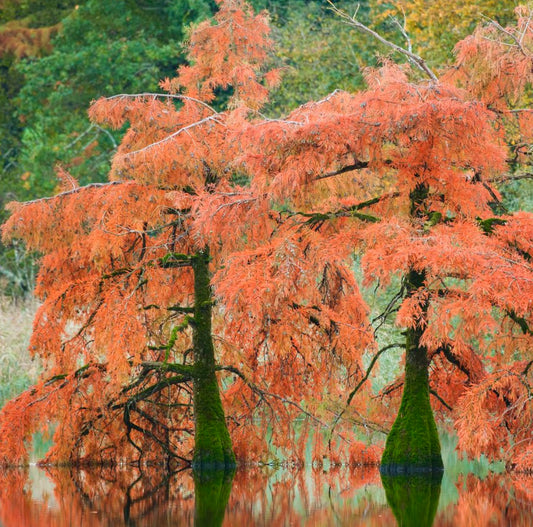
The Taxodium genus comprises three prominent species of deciduous conifers: Taxodium distichum (bald cypress), Taxodium mucronatum (Montezuma cypress), and Taxodium ascendens (pond cypress). These trees are native to North and Central America and are well adapted to wetland habitats. They exhibit remarkable seasonal changes, shedding their needle-like leaves in autumn, which turn vibrant shades of orange and bronze, enhancing their visual appeal in natural and cultivated landscapes.
An Overview of the Taxodium Genus
Taxodium species display unique morphological traits that allow them to survive in fluctuating water levels. For example, the bald cypress is notable for its characteristic "cypress knees," woody projections from its root system that likely aid in gas exchange and provide mechanical support in saturated soils. These trees have a conical crown and soft, feathery foliage, which differs from many evergreen conifers. Moreover, Taxodium species often grow in swamps, floodplains, riverbanks, and other waterlogged environments, tolerating both freshwater and brackish conditions.
Taxodium’s Adaptability and Growth Conditions
Taxodium trees demonstrate high adaptability to diverse environmental conditions. While they thrive in swampy, flooded areas, they can also survive in drier soils during periods of low water. Their tolerance to flooding and salinity makes them essential components of wetland ecosystems, where they help stabilize soil and improve water quality. These trees also exhibit adaptations such as buttressed trunks and extensive root systems that enhance stability and nutrient uptake in saturated soils.
Ornamental and Ecological Value of Taxodium
Besides their ornamental appeal, Taxodium species contribute significantly to wetland ecology. Their extensive root networks reduce soil erosion along water bodies, while their large canopies provide shelter and nesting sites for various bird species and other wildlife. In autumn, their foliage’s brilliant color changes add seasonal interest to natural and designed landscapes. Additionally, these trees support biodiversity by hosting numerous insects and fungi, which play roles in ecosystem functioning.
These benefits can be summarized as follows:
- Stabilize wetland soil and reduce erosion
- Provide habitat and food for wildlife
- Enhance seasonal landscape aesthetics with colorful foliage
- Tolerate a range of hydrological conditions from flooding to drought
- Support ecological processes through symbiotic relationships
Uses of Taxodium in Urban and Natural Environments
Due to their resilience and adaptability, Taxodium trees are frequently incorporated into urban landscaping, parks, and golf courses, especially in regions prone to flooding. Their capacity to grow in waterlogged soils makes them valuable for stormwater management and restoration of coastal and riparian habitats. Furthermore, their moderate growth rate and tolerance to pollution enhance their suitability for city environments. These trees also contribute to carbon sequestration and improve air quality in urban settings.

 Sale
Sale