Boswellia: ancient frankincense tree with modern healing power
A sacred tree with cultural and botanical heritage
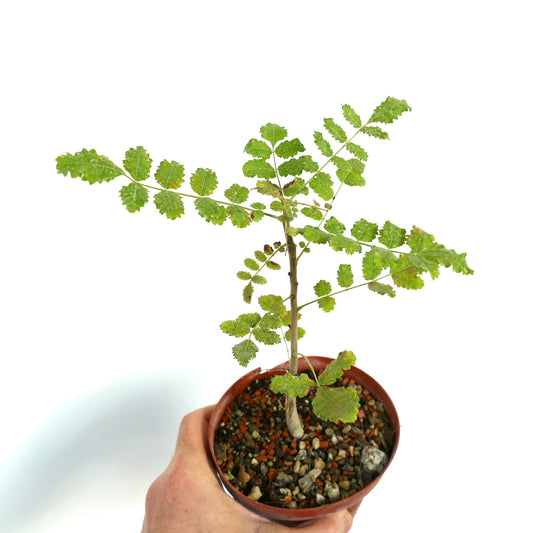
Boswellia is a genus of small trees and shrubs native to arid and semi-arid regions across Africa, India, and the Middle East. Species such as Boswellia serrata, Boswellia sacra, and Boswellia carterii are well-known for producing the aromatic frankincense resin. This resin has held spiritual, medicinal, and cultural importance for thousands of years, being used in religious rituals, incense, and traditional medicine. The genus represents a significant link between botanical characteristics and ancient human practices, demonstrating adaptations to harsh environments while maintaining a valuable ecological and cultural role.
Growth, cultivation, and natural resin harvest
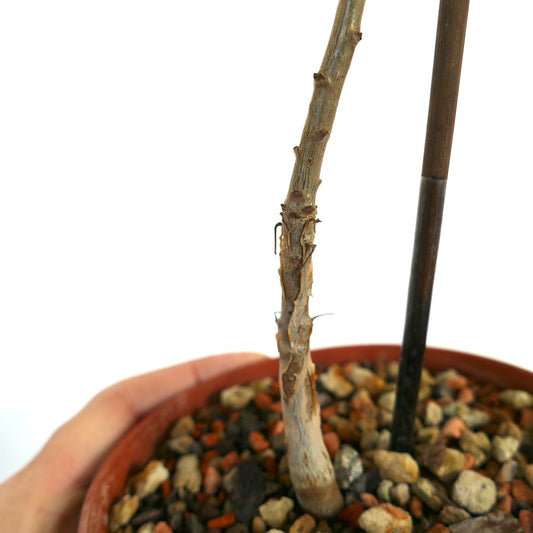
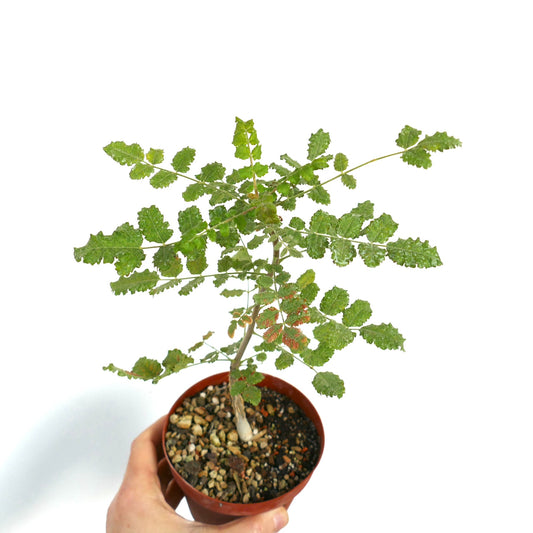
Boswellia trees thrive in rocky, dry, and well-drained soils, often in mountainous or desert landscapes with minimal rainfall. They exhibit morphological adaptations such as thick bark and deep root systems to survive prolonged droughts and intense sunlight. Cultivation requires limited water and abundant sunlight, reflecting their native habitats. The aromatic gum resin, known as frankincense, is harvested by making careful incisions in the bark, allowing the sap to exude and harden. This traditional tapping method is practiced sustainably to avoid damaging the trees, enabling them to live for several decades. In addition to ecological benefits, Boswellia trees contribute to soil stabilization and provide habitat for various desert fauna.
Common characteristics of Boswellia species include:
- Small to medium tree size with sparse foliage
- Resin-producing bark with self-protective healing abilities
- Adaptation to hot, arid climates with seasonal rainfall
- Ecological role in desert ecosystems supporting pollinators
- Long lifespan with slow but steady growth rates
Medicinal uses and health benefits
Extracts from Boswellia resin contain bioactive compounds with potent anti-inflammatory properties. These compounds are widely studied for supporting joint health, alleviating arthritis symptoms, and improving digestive function. In traditional Indian Ayurveda, Boswellia serrata, also called Indian frankincense, is highly regarded for its therapeutic effects. Modern scientific research continues to explore its applications in immune system regulation, skin care, and even respiratory health. Products derived from Boswellia include essential oils, powders, and standardized extracts, each offering diverse benefits depending on preparation and dosage.
Botanical Archive’s curated Boswellia knowledge
At Botanical Archive, we compile detailed information on Boswellia cultivation, resin harvesting techniques, and medicinal uses. Our resources cover the genus’s historical significance and contemporary scientific findings, providing a comprehensive understanding of its ecological and health-related roles. Whether exploring the spiritual use of frankincense incense or the evidence-based benefits of Boswellia anti-inflammatory extracts, our guides emphasize the genus’s unique place in nature and human culture. This knowledge supports sustainable use and appreciation of these remarkable trees across their native ranges.


 Sold out
 Sold out
 Sold out
 Sold out