The Fragrant Elegance of Syringa
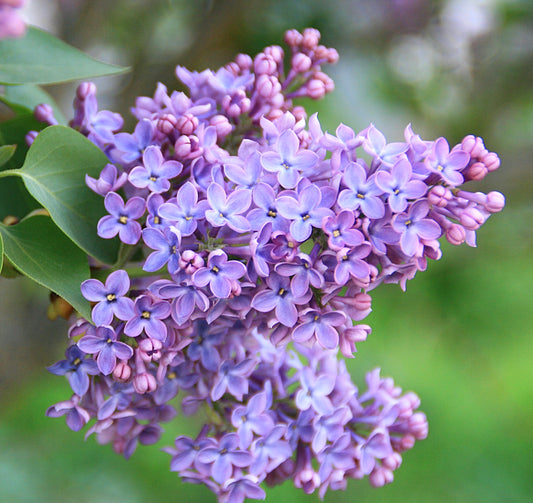
Syringa, commonly known as lilac, is a beloved ornamental shrub appreciated for its lush, fragrant blooms. Native to Europe and Asia, this deciduous shrub or small tree belongs to the olive family (Oleaceae) and has been cultivated for centuries for its exceptional floral scent and spring display. Blooming typically in late spring, the Syringa produces large clusters of tubular flowers in shades ranging from pale lavender and deep purple to white and pink. Its heart-shaped green leaves provide a dense, attractive backdrop, making it equally valued for foliage. Thanks to its robust growth and long lifespan, it has become a staple in cottage gardens, heritage landscapes, and public parks, often passed down through generations as a traditional garden favorite.
Popular Syringa Varieties
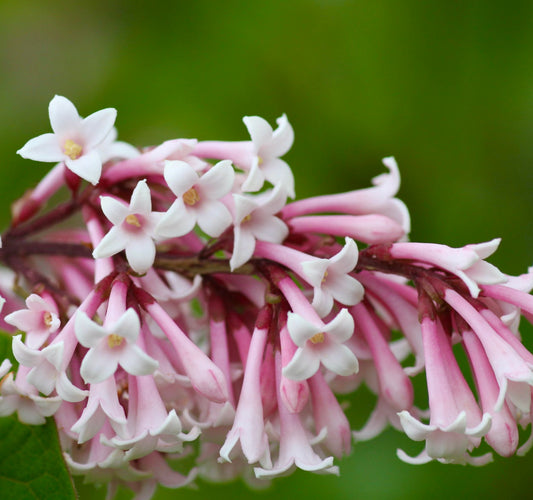
Key varieties include Syringa vulgaris, Syringa reticulata, and Syringa miss kim.
Syringa vulgaris, the common lilac, is known for its classic perfume and upright clusters of flowers, often reaching 3–5 meters in height. Syringa reticulata, or Japanese tree lilac, is a larger species that blooms slightly later and produces creamy white flowers on small tree-like forms, ideal for urban or formal plantings. Syringa miss kim, a compact Korean variety, is celebrated for its small size, cold hardiness, and particularly strong fragrance. These and other cultivars offer a diverse range of bloom times, growth habits, and color palettes, allowing gardeners to choose varieties that suit both spatial and climatic conditions.
How to Care for a Syringa
For optimal Syringa growth, plant it in well-draining soil with ample sunlight.
A location with good air circulation and full sun—at least 6 hours daily—ensures vigorous blooming and reduces the risk of mildew. Syringa prefers slightly alkaline to neutral soil and benefits from light mulching to retain moisture. Avoid excessive nitrogen fertilization, which encourages leafy growth at the expense of flowers. Prune immediately after flowering to shape the shrub and prevent woody overgrowth. Regular deadheading and thinning of old stems stimulate rejuvenation and allow light to reach the inner branches, which supports better flower development in the following season.
Ornamental and Fragrant Appeal
The Syringa is ideal for decorative gardens, providing vibrant flowers and a captivating fragrance.
Its intoxicating scent and profusion of colorful blooms make it an excellent specimen shrub, hedge, or background planting in mixed borders. Lilacs attract a wide array of pollinators, including bees, butterflies, and hummingbirds, enriching the ecological health of any garden. When combined with other flowering shrubs like viburnum, spirea, or weigela, Syringa creates a layered, seasonally dynamic design. In smaller spaces, dwarf varieties can be grown in large containers or narrow borders. The cut flowers are also prized in floral arrangements, bringing their beauty and scent indoors.