Viburnum: Versatile and Ornamental Shrubs
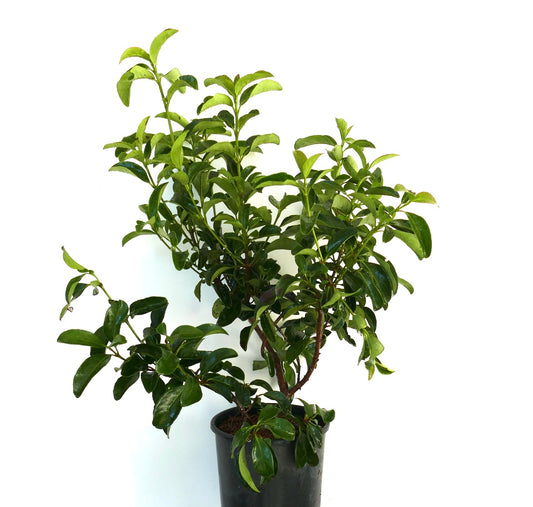
The Viburnum genus encompasses a broad group of deciduous and evergreen shrubs admired for their ornamental qualities. These plants significantly enhance garden aesthetics with their fragrant flowers, colorful berries, and attractive foliage. Viburnums thrive in diverse garden settings such as borders, hedges, and standalone specimens, offering year-round visual interest and varied texture. Their adaptability to different environments makes them popular in temperate regions worldwide.
Popular Varieties: Snowball and Arrowwood
The snowball viburnum is distinguished by its large, spherical clusters of white flowers that bloom from spring to early summer, resembling delicate snowballs. On the other hand, the arrowwood viburnum (Viburnum dentatum) is known for its hardiness and vibrant fall foliage, which changes from yellow to deep red hues. These varieties highlight the genus's ability to adapt to various climates and soil types, showing resilience in both moist and moderately dry conditions.
In addition, these species contribute to local ecosystems by providing habitat and food for numerous insects and birds. Their flowers attract pollinators such as bees and butterflies, while their berries serve as an important food source for wildlife during colder months.
Korean Spice and Viburnum Opulus
The korean spice viburnum grows compactly and produces highly fragrant flowers, which draw in pollinators and enrich garden biodiversity. This species suits smaller garden spaces due to its manageable size and aromatic blooms. Meanwhile, Viburnum opulus, commonly called the European cranberry bush, bears bright red berries that persist into winter. These berries provide nourishment for birds and small mammals, thereby supporting local wildlife and enhancing ecological balance.
Both species illustrate the ecological importance of viburnums in natural and cultivated environments. Their morphological adaptations, such as tough leaves and seasonal flowering, enable them to thrive in diverse habitats including woodlands, wetlands, and urban gardens.
Care and Cultivation
Viburnum shrubs grow best in well-drained soils with access to full sun or partial shade. They tolerate drought and adapt to various soil types, including clay, loam, and sandy soils. Regular pruning promotes healthy growth, abundant flowering, and helps maintain the desired shape. These shrubs require relatively low maintenance, making them suitable for gardeners of all experience levels.
Consider these key care points when cultivating viburnums:
- Plant in locations with good air circulation to reduce fungal disease risks.
- Water consistently during dry periods, especially in the first growing season to establish roots.
- Apply mulch around the base to conserve moisture and moderate soil temperature.
- Prune after flowering to maintain form and stimulate new bud development.
- Inspect regularly for pests such as aphids and treat promptly to prevent infestations.
Uses in Landscaping
Viburnums fulfill multiple roles in landscape design. They form dense viburnum hedges that provide privacy, wind protection, and noise reduction. Their seasonal flowers and colorful fruits make excellent focal points in gardens. Additionally, their blossoms attract pollinators such as bees and butterflies, while their berries supply food for birds and small mammals. This ecological interaction enhances garden biodiversity and supports local wildlife populations.
Overall, the Viburnum genus offers a rich variety of species with diverse morphological adaptations. Their ability to thrive in varied habitats, combined with ecological benefits and ornamental appeal, renders them valuable components in both natural ecosystems and cultivated landscapes.