Carya: Hickory Tree and Nut Information
The Carya genus, commonly known as Hickory, comprises deciduous trees renowned for their strong, durable wood and nutrient-rich nuts. This genus includes important species such as Carya illinoinensis (Pecan) and Carya ovata (Shagbark Hickory), each distinguished by unique ecological and morphological traits. These trees are native primarily to North America and East Asia, thriving in temperate climates with well-drained soils. Their compound leaves and distinctive bark adaptations help them withstand seasonal changes and environmental stresses.
Introduction to Carya (Hickory)
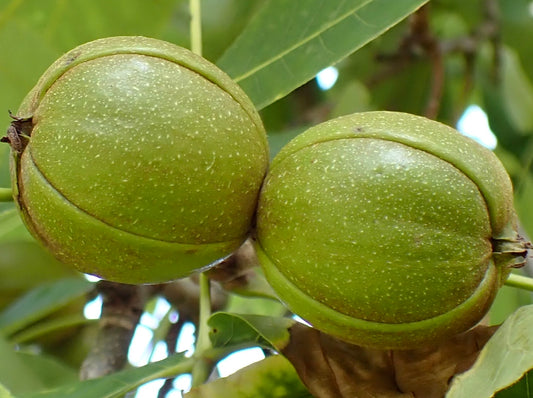
Carya species play significant roles in their ecosystems. They provide food and habitat for various wildlife, including squirrels, birds, and insects, who rely on the nuts as a rich energy source. The nuts are encased in hard shells, which protect the seeds until they disperse naturally. Morphologically, Hickory trees exhibit pinnate leaves with 5 to 17 leaflets and produce large, edible nuts with thick husks. Their wood is dense and shock-resistant, making it valuable for tools, furniture, and sporting goods.
Growing and Caring for Hickory Trees
Hickory trees prefer full sun to partial shade and grow best in fertile, well-drained soils. They tolerate a range of soil types but require sufficient moisture during establishment. These trees develop deep root systems, which contribute to their drought resistance and stability. Pruning is generally minimal but can improve tree structure and health. Species like Carya illinoinensis are cultivated commercially for their edible nuts, especially pecans, which require specific climatic conditions including warm summers and mild winters for optimal yield.
Ecologically, Carya trees contribute to forest succession and soil enrichment through leaf litter. They also form mutualistic relationships with mycorrhizal fungi, enhancing nutrient uptake. Their presence supports biodiversity by offering shelter and food to numerous organisms.
Benefits and Uses of Hickory
Hickory nuts are highly nutritious, containing essential fats, proteins, and vitamins, making them important both for wildlife and human consumption. The wood’s hardness and resilience make it a preferred material for tools, flooring, and smoking meat due to its distinct flavor. The Pecan tree, a member of the Carya genus, is widely cultivated for its nuts, which are used in various culinary traditions worldwide.
In addition to their economic value, Hickory trees enhance landscapes by providing shade and improving soil structure. Their long lifespan and resistance to pests contribute to sustainable forestry and urban planting projects.
Here are some key characteristics and ecological roles of Carya species:
- Adapted to temperate deciduous forests with seasonal climates.
- Produce hard-shelled nuts that support diverse wildlife.
- Develop strong, dense wood valued in multiple industries.
- Form symbiotic relationships with soil fungi for nutrient absorption.
- Contribute to forest ecosystem dynamics and succession.
Why Choose Carya for Your Landscape?
The Hickory tree offers multiple ecological and aesthetic benefits. Its adaptability to various soil types and climates allows it to thrive in many landscapes. Moreover, its ability to produce edible nuts adds both ecological value and potential for human use. The tree’s broad canopy provides substantial shade, improving microclimates and reducing soil erosion. Its longevity and resistance to environmental stresses ensure a lasting presence in gardens and natural areas, supporting biodiversity and ecosystem health.