Collection: Eriobotrya
Explore the Unique Eriobotrya Japonica
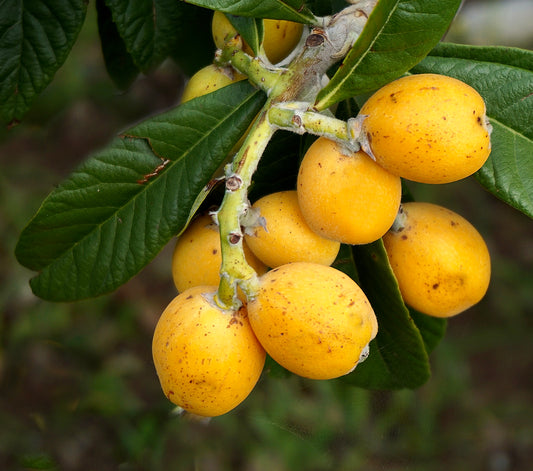
Commonly known as the loquat tree, Eriobotrya japonica is an evergreen species prized for its edible loquat fruit and attractive foliage. Native to southeastern China, this tree thrives in subtropical and mild temperate climates. It grows up to 10 meters tall and displays large, leathery leaves that are dark green and glossy, which contribute to its ornamental appeal. The loquat fruit is a sweet, tangy drupe that ripens in late winter or early spring, providing an important food source for local wildlife during scarce seasons.
Master the Art of Eriobotrya Care
Eriobotrya plants prefer well-draining, slightly acidic soils and flourish in full sun to partial shade. They require moderate watering, especially during dry spells, but established trees tolerate drought well. To maintain vigorous growth and maximize fruit yield, regular Eriobotrya pruning is essential. Pruning encourages air circulation and sunlight penetration, reducing disease risk and promoting healthy flowering. Additionally, these trees benefit from annual fertilization with balanced nutrients to support their development and fruit production.
Add Elegance with Ornamental Eriobotrya
Besides Eriobotrya japonica, species like Eriobotrya deflexa also contribute to landscaping with their hardiness and fragrant blossoms. These plants produce creamy white flowers in autumn or early winter, attracting pollinators such as bees and butterflies. Their ability to adapt to urban environments and tolerate mild frost makes them valuable in ornamental horticulture.
- They provide year-round greenery and seasonal interest.
- Their fragrant flowers support local pollinator populations.
- They serve as windbreaks or privacy screens in gardens.
- Many species produce edible fruits used in culinary and traditional medicine.
These ecological and aesthetic benefits underline their significance beyond ornamental use.
Buy and Cultivate Your Loquat Tree
When cultivating your own loquat fruit tree, consider its adaptability to your local climate and soil conditions. Buying Eriobotrya plants from reputable sources ensures healthy stock free from pests and diseases. With proper care, these trees grow steadily and begin fruiting within a few years. Their resilience to pests and diseases, combined with low maintenance requirements, makes them suitable for home gardens and small orchards. Cultivators also appreciate their role in supporting biodiversity, as Eriobotrya species provide food and habitat for various insects and birds.

 Sold out