Myrtus: A Timeless Genus of Ornamental Plants
Myrtus, commonly called myrtle, represents a genus of evergreen shrubs renowned for their aromatic foliage and ornamental appeal. Originating mainly from the Mediterranean basin, Myrtus species such as Myrtus communis exhibit remarkable adaptability to diverse climates and habitats. They flourish in environments ranging from coastal zones with salty winds to inland scrublands and woodlands, where they contribute to both aesthetic and ecological landscapes.
Discover the Charm of Myrtus
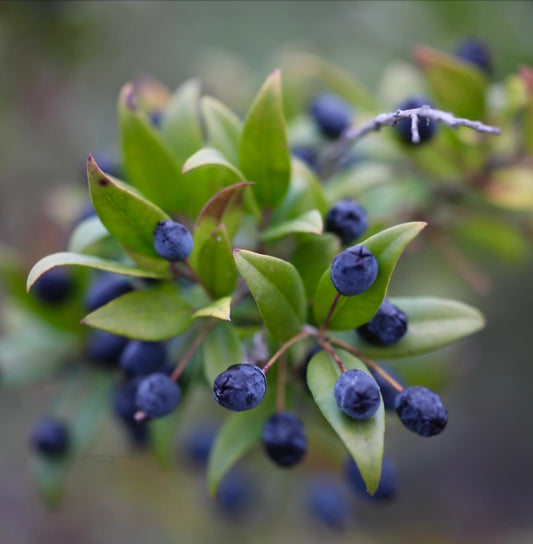
The genus Myrtus is characterized by glossy, dark green leaves that release a distinctive fragrance when crushed. It produces clusters of small, star-shaped flowers, usually white or pale pink, which bloom in spring and summer. These flowers attract a variety of pollinators, including bees and butterflies, thus playing a vital role in local ecosystems. Following flowering, Myrtus shrubs develop dark blue to black berries that serve as an important food source for birds and small mammals. Typically, these evergreen plants reach heights of up to 3 meters, forming dense thickets that provide shelter and nesting sites. Their natural habitats include Mediterranean maquis, open woodlands, and rocky slopes, where their drought resistance and tolerance to poor soils demonstrate their ecological versatility.
Moreover, Myrtus species interact with other plants and animals, supporting biodiversity and stabilizing soil in erosion-prone areas. The genus also includes several species adapted to different environments, illustrating evolutionary responses to climatic and edaphic factors.
Cultivation and Care for Myrtus
To cultivate Myrtus successfully, gardeners should select well-drained soils that are fertile and range from slightly acidic to neutral pH. Full sun exposure is essential for optimal flowering and aromatic leaf development. Although these shrubs tolerate drought once established, they respond positively to regular watering during prolonged dry periods, which promotes vigorous growth. Pruning is recommended to maintain a compact form, stimulate branching, and enhance airflow, thereby reducing the risk of fungal diseases. Myrtus plants withstand mild frost but require protection in colder climates or during harsh winters.
Propagation commonly occurs through semi-hardwood cuttings taken in summer, which root readily under suitable conditions. The following cultivation practices aid in maintaining healthy Myrtus specimens:
- Plant in well-drained, fertile soils with slight acidity to neutral pH
- Provide full sunlight to encourage flowering and leaf aroma
- Water moderately, increasing frequency during dry spells
- Prune regularly to shape the shrub and remove dead or diseased branches
- Propagate using semi-hardwood cuttings in the summer season
Benefits and Uses of Myrtus
The Myrtus genus offers diverse benefits across culinary, medicinal, and ecological domains. Its aromatic leaves contain essential oils with antiseptic and anti-inflammatory properties, traditionally used to alleviate respiratory conditions and digestive disorders. In cuisine, Myrtus leaves and berries flavor meats, sauces, and regional liqueurs, reflecting cultural uses in Mediterranean gastronomy. Ecologically, the berries provide nourishment to birds and mammals, supporting trophic networks and enhancing biodiversity. Furthermore, Myrtus shrubs improve air quality by absorbing pollutants and releasing oxygen, while their dense foliage creates habitats for beneficial insects such as pollinators and natural pest controllers.
Purchase Myrtus Online
Species within the Myrtus genus, notably Myrtus communis, are accessible through specialized nurseries and plant suppliers. When acquiring these plants, it is important to consider their mature size and environmental requirements to ensure successful growth. Cultivating Myrtus indoors or in containers is feasible if provided with adequate light and care, enabling year-round enjoyment of their aromatic foliage. These versatile plants enhance garden aesthetics and contribute ecological value by supporting wildlife and improving habitat quality.