Rhamnus: The Diverse and Hardy Buckthorn Genus
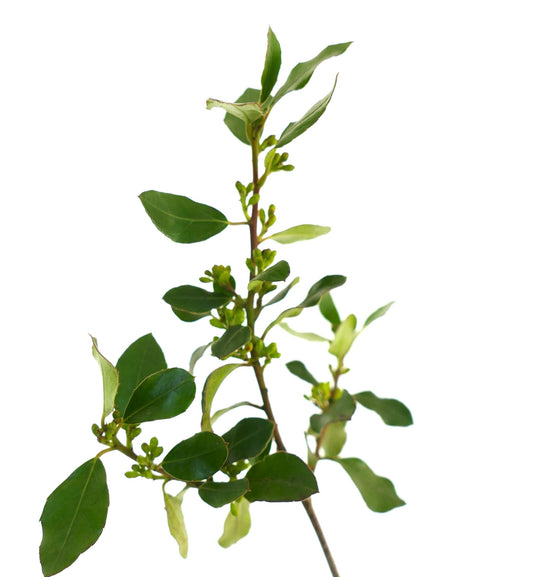
The Rhamnus genus belongs to the Rhamnaceae family and includes both deciduous and evergreen shrubs and small trees. Commonly known as buckthorns, these plants have a broad distribution across Europe, Asia, and North America. They exhibit significant ecological versatility, thriving in various habitats from woodlands to scrublands. Rhamnus species are notable for their hardiness and have been traditionally valued for medicinal uses as well as their benefits to wildlife. Representative species such as Rhamnus cathartica, Rhamnus frangula, and Rhamnus californica play important roles in both natural and managed ecosystems.
What is Rhamnus?
The genus Rhamnus comprises woody plants that vary in leaf retention, with some species shedding leaves seasonally while others remain evergreen. Morphologically, many have simple, alternate leaves and produce small, inconspicuous flowers that develop into berries. These berries serve as a food source for birds and other animals, aiding seed dispersal. The plants adapt well to a range of soil conditions, from dry, rocky soils to moist, fertile grounds. Their widespread presence across temperate regions highlights their ecological adaptability and evolutionary success within the Rhamnaceae family.
How to Grow and Care for Rhamnus
Growing Rhamnus is relatively straightforward due to its adaptability. These plants tolerate various soil types, including sandy, loamy, and clay soils, provided there is adequate drainage. They thrive in environments ranging from full sun to partial shade, which allows them to occupy diverse ecological niches. Once established, many Rhamnus species exhibit drought tolerance, reducing the need for frequent watering. Their low maintenance requirements make them suitable for use as hedges or natural wildlife-supporting vegetation.
Typical care involves minimal pruning to maintain shape and control growth, especially for species prone to spreading. Additionally, ensuring well-aerated soil helps prevent root diseases. These plants' resilience contributes to their popularity in restoration projects and sustainable landscaping.
Rhamnus in Landscaping and Ecological Benefits
The dense foliage and fruit production of Rhamnus species provide multiple ecological advantages. Their thick growth habit forms effective privacy screens and helps stabilize soil, reducing erosion on slopes and disturbed sites. Furthermore, species like Rhamnus cathartica and Rhamnus frangula produce berries that attract and nourish birds and pollinators, thus supporting local biodiversity. These interactions enhance ecosystem functions such as seed dispersal and pollination.
In natural habitats, Rhamnus plants contribute to food webs and offer shelter for insects and small animals. Their presence can positively influence soil health by contributing organic matter through leaf litter. Overall, Rhamnus plays a valuable role in maintaining ecological balance and promoting species diversity.
Below are key features of Rhamnus species that illustrate their ecological and horticultural importance:
- Adaptability to diverse soil and light conditions
- Provision of food and habitat for wildlife, especially birds and pollinators
- Use in erosion control and landscape stabilization
- Low water requirements once established
- Medicinal properties, including natural laxative effects in some species
Common Issues and Maintenance Tips
Although generally hardy, some Rhamnus species can become invasive outside their native ranges. For example, Rhamnus cathartica has shown invasive tendencies in parts of North America, where it can outcompete native vegetation. Controlling its spread requires regular pruning and monitoring. Proper site selection and soil management reduce the risk of fungal diseases that occasionally affect these plants.
Additionally, species such as Rhamnus purshiana are well known for their medicinal bark, historically used as a natural laxative. Understanding the ecological role and potential challenges of Rhamnus contributes to responsible cultivation and conservation efforts.