
Carnegiea
-

 Sold out
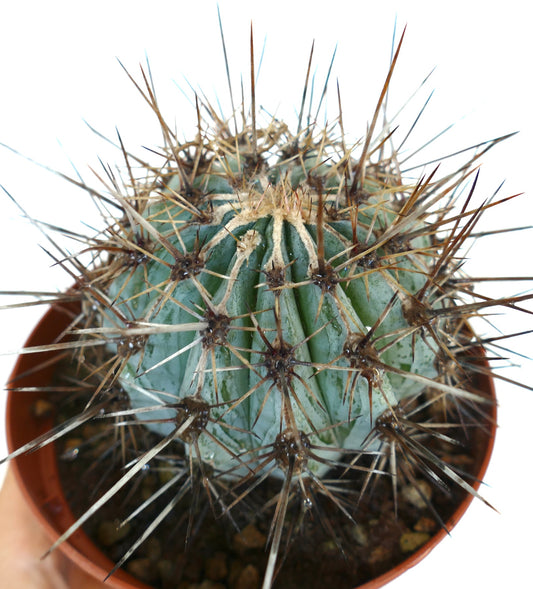
Carnegiea gigantea
Regular price €27,00 EURRegular price -
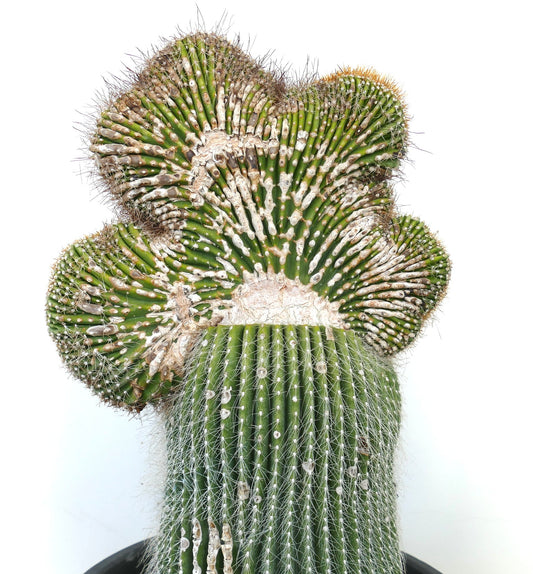
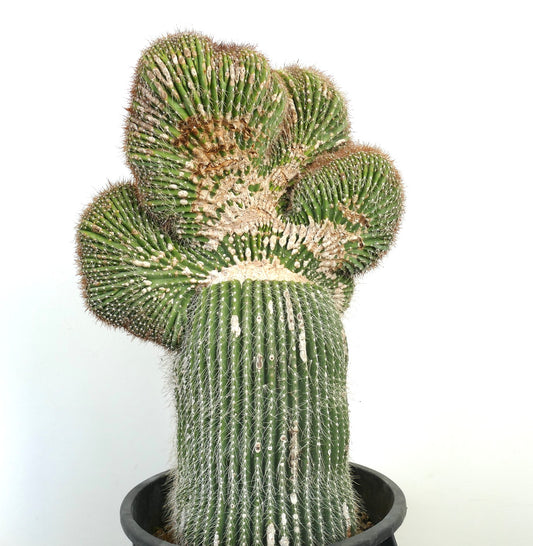
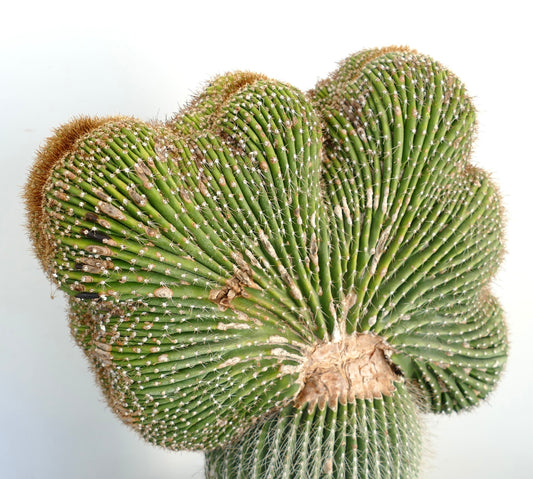
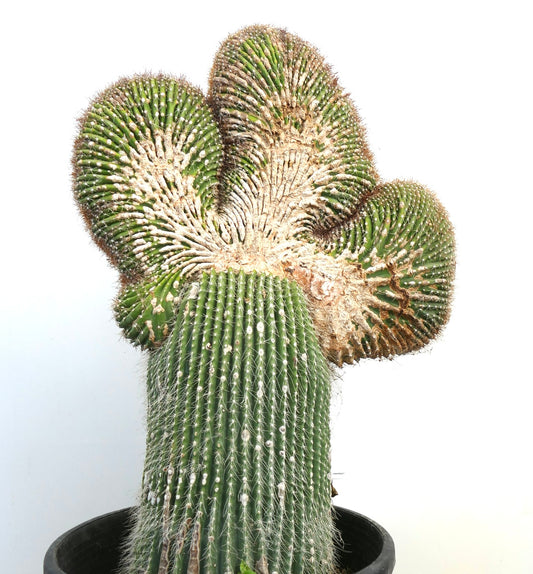
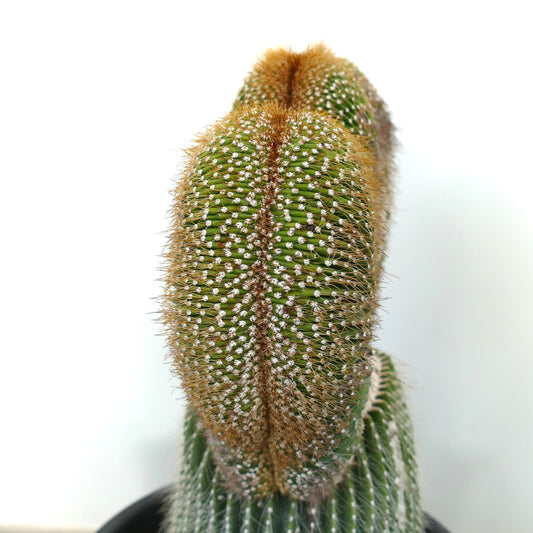
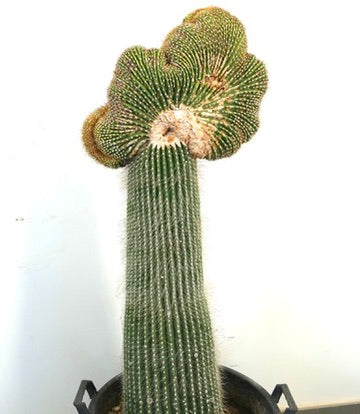
Carnegiea polylopha CRESTED SAGUARO 60x27cm
Regular price €450,00 EURRegular price€700,00 EURSale price €450,00 EURSale -
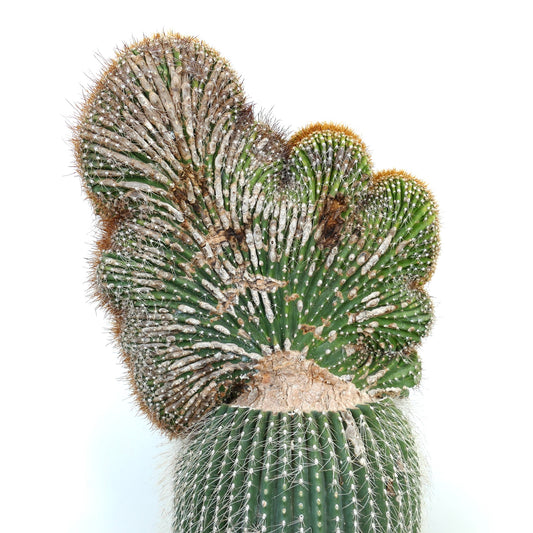
Carnegiea polylopha CRESTED SAGUARO 61x29cm
Regular price €550,00 EURRegular price€750,00 EURSale price €550,00 EURSale -
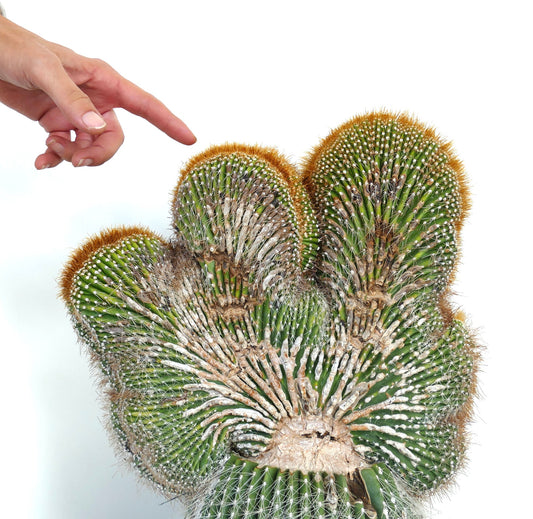
Carnegiea polylopha CRESTED SAGUARO 66x33,5cm
Regular price €500,00 EURRegular price€700,00 EURSale price €500,00 EURSale -
Carnegiea polylopha SAGUARO CRESTATO 66x38cm
Regular price €400,00 EURRegular price€650,00 EURSale price €400,00 EURSale -
Carnegiea polylopha SAGUARO CRESTED 35x91cm
Regular price €560,00 EURRegular price€1.000,00 EURSale price €560,00 EURSold out -
Carnegiea polylopha SAGUARO CRESTED 45X68cm
Regular price €440,00 EURRegular price€800,00 EURSale price €440,00 EURSale -
Carnegiea polylopha SAGUARO CRESTED 50x32cm
Regular price €450,00 EURRegular price -
Carnegiea polylopha SAGUARO CRESTED 56x30cm
Regular price €500,00 EURRegular price€1.000,00 EURSale price €500,00 EURSale -
Carnegiea polylopha SAGUARO CRESTED 58x36cm
Regular price €375,00 EURRegular priceUnit price €375,00 each€600,00 EURSale price €375,00 EURSale -
Carnegiea polylopha SAGUARO CRESTED 60x29cm
Regular price €450,00 EURRegular price€700,00 EURSale price €450,00 EURSale -
Carnegiea polylopha SAGUARO CRESTED 60x40cm
Regular price €390,00 EURRegular price€650,00 EURSale price €390,00 EURSale -
Carnegiea polylopha SAGUARO CRESTED 60x43cm
Regular price €340,00 EURRegular price€500,00 EURSale price €340,00 EURSale -
Carnegiea polylopha SAGUARO CRESTED 61x32cm
Regular price €390,00 EURRegular price€650,00 EURSale price €390,00 EURSale -
Carnegiea polylopha SAGUARO CRESTED 65x40cm
Regular price €450,00 EURRegular price€700,00 EURSale price €450,00 EURSale -
Carnegiea polylopha SAGUARO CRESTED 68x45cm
Regular price €310,00 EURRegular price€620,00 EURSale price €310,00 EURSale -
Carnegiea polylopha SAGUARO CRESTED 70x42cm
Regular price €599,00 EURRegular price€1.000,00 EURSale price €599,00 EURSale -
Carnegiea polylopha SAGUARO CRESTED 71x30cm
Regular price €600,00 EURRegular price€800,00 EURSale price €600,00 EURSale -
Carnegiea polylopha SAGUARO CRESTED 83x35cm
Regular price €520,00 EURRegular price€600,00 EURSale price €520,00 EURSale -
Carnegiea polylopha SAGUARO CRESTED 94X40cm
Regular price €480,00 EURRegular price€700,00 EURSale price €480,00 EURSale -
Carnegiea polylopha SAGUARO CRESTED 96x40cm
Regular price €500,00 EURRegular price€900,00 EURSale price €500,00 EURSale





















Other Collections in the Archive
-

Specimen Plants
Specimen Plants in our Store Specimen Plants captivate plant enthusiasts with their...
-
Catalogue Plants
Catalogue plants provide a wide variety of options to elevate your garden...
-

Gardening Tools & Soils
Gardening tools – essentials for healthy soils and thriving plants Building a...


