Discover the Beauty of Cytisus Shrubs
Cytisus, commonly called scotch broom, is a genus of evergreen shrubs known for their bright, pea-like flowers and remarkable adaptability. Species such as Cytisus scoparius and Cytisus racemosus are widely appreciated for their ornamental value and ecological roles. These shrubs typically grow in temperate regions of Europe and western Asia, thriving in well-drained, sandy, or rocky soils.
What is Cytisus?
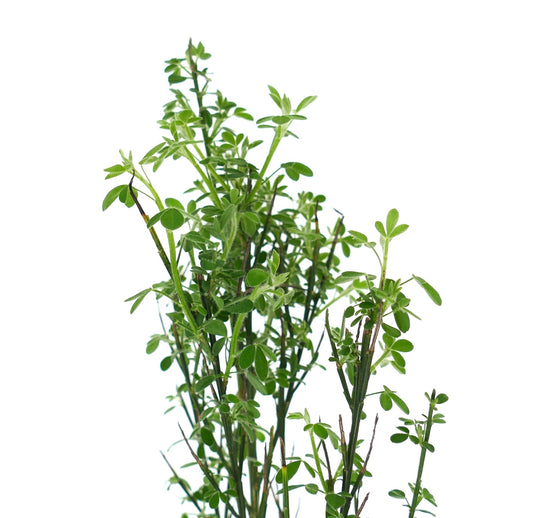
Cytisus plants belong to the legume family (Fabaceae) and exhibit nitrogen-fixing abilities, enriching the soil where they grow. They feature slender, green stems with small, trifoliate leaves that often shed early in the season. The vibrant yellow flowers appear in clusters during spring and early summer, attracting various pollinators such as bees and butterflies. Morphologically, these shrubs adapt well to poor soils and dry conditions, making them resilient in diverse habitats including heathlands, forest edges, and disturbed areas.
Why Choose Cytisus?
Due to their low-maintenance nature and drought-tolerance, Cytisus species perform well in environments with limited water availability. Their rapid growth helps stabilize soil, which is why they are often used for erosion control on slopes and degraded lands. Additionally, their bright flowers add seasonal color to landscapes and provide shelter for small wildlife. Ecologically, Cytisus serves as a pioneer species, facilitating succession by improving soil fertility and creating microhabitats for other plants.
Caring for Cytisus
Successful cultivation of Cytisus requires well-draining soils, as excessive moisture can cause root rot. These shrubs prefer full sun but tolerate partial shade. Regular, light pruning after flowering encourages bushier growth and maintains shape. Watering should be moderate, especially during establishment, since mature plants withstand drought. Their nitrogen-fixing roots reduce the need for fertilization, making them sustainable choices for gardeners.
Uses and Benefits of Cytisus
Cytisus shrubs contribute to landscape aesthetics and ecological health. They improve soil conditions through nitrogen fixation and provide habitats for insects and small birds. Their flowers support pollinator populations, enhancing biodiversity. Moreover, these plants serve practical roles such as:
- Stabilizing erosion-prone areas
- Restoring degraded lands
- Offering ornamental value with vivid blooms
- Supporting native wildlife
- Reducing soil nutrient depletion
Overall, Cytisus combines ecological significance with horticultural appeal, making it a valuable genus for both natural and managed environments.