Collection: Stenocactus
Discover the Unique Beauty of Stenocactus
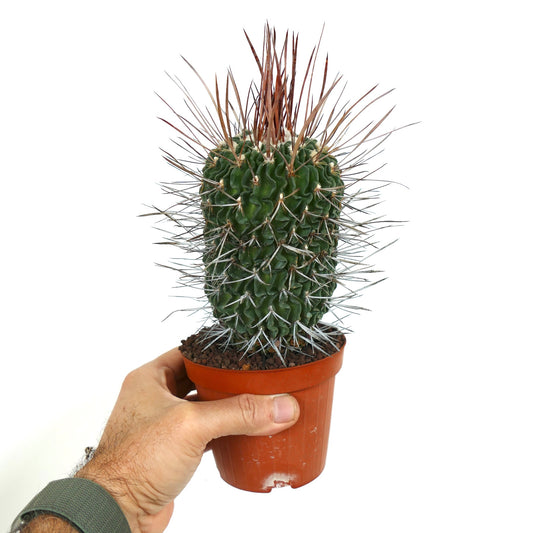
The Stenocactus, commonly called the brain plant due to its distinctive ribbed appearance, belongs to a genus of cacti native to Mexico's arid and semi-arid regions. This succulent thrives in environments characterized by low rainfall and high temperatures. Its intricate ribs, often tightly folded and wavy, help reduce water loss and protect the plant from intense sunlight. Adapted to survive in harsh desert conditions, the Stenocactus stores water efficiently, making it highly drought-resistant.
Varieties and Growth Habits
The genus includes several notable species such as Stenocactus multicostatus, Stenocactus albatus, and Stenocactus crispatus. Each species displays unique morphological traits, especially in rib formation and spine arrangement, which contribute to their identification and appeal. These cacti typically grow as small globular or cylindrical forms, rarely exceeding 15 centimeters in height. Their slow growth rate and compact size make them particularly attractive for collectors and botanical enthusiasts interested in rare and distinctive cacti.
Optimal Care for a Thriving Stenocactus
Successful cultivation of Stenocactus depends on replicating its natural habitat conditions. These cacti require well-draining, mineral-rich soil to prevent root rot. They benefit from moderate watering schedules, allowing the soil to dry completely between waterings. Additionally, Stenocactus prefers bright, indirect sunlight, although it can tolerate some direct sun exposure, especially during cooler parts of the day. Indoor care often involves placing the plant near south-facing windows or using artificial grow lights to simulate its native light environment. Temperatures should remain above 10°C (50°F) to avoid stress. In cultivation, these adaptations ensure healthy growth and flowering.
Design and Decorative Uses
The sculptural and ribbed form of the Stenocactus makes it an excellent choice for ornamental use in various settings. It complements xerophytic plant arrangements, spiny succulents, and other dryland cacti, contributing texture and visual interest. Gardeners often incorporate Stenocactus into rock gardens, terrariums, or minimalist interior plant displays. Its compact size and unique shape also allow it to serve as a focal point in container gardens.
- Adapted to dry, rocky soils
- Supports desert ecosystem biodiversity
- Attracts specialized pollinators such as bees
- Resistant to drought and temperature fluctuations
- Compatible with other succulents in mixed plantings
Through its ecological role and aesthetic appeal, Stenocactus enriches both natural and cultivated environments.