Syzygium: The Fascinating Genus of Tropical Trees and Shrubs
The Syzygium genus comprises over 1,200 species of tropical and subtropical trees and shrubs. These plants, including well-known species like aromaticum (clove) and cumini (Java plum), are native to Asia, Africa, and Australia. They thrive across a wide range of habitats, from humid tropical rainforests to drier subtropical zones, demonstrating notable ecological adaptability. Syzygium species play essential roles in their ecosystems by providing food and shelter to various wildlife, such as birds, insects, and small mammals.
An Overview of Syzygium
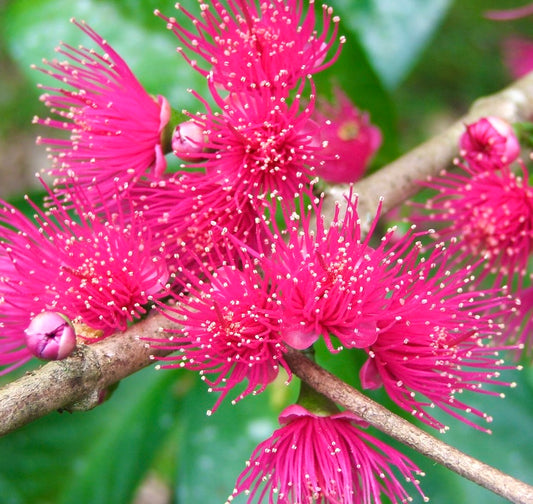
The genus Syzygium exhibits remarkable morphological diversity. Most species bear evergreen leaves with a leathery texture, which helps minimize water loss under warm, often dry conditions. Their flowers typically feature numerous stamens that give them a distinctive fluffy appearance. The fleshy fruits of Syzygium vary widely in size, shape, and color, and serve a crucial ecological role by offering nourishment to many animals. These animals aid in seed dispersal, supporting forest regeneration. For example, the cumini specie produces edible berries that are consumed by both wildlife and humans, while aromaticum is cultivated for its aromatic flower buds, harvested as cloves.
Syzygium in Ecology and Cultivation
Many Syzygium species occupy vital ecological niches in tropical and subtropical habitats. They often grow in forests, wetlands, and along riverbanks, where their dense canopies provide shade and habitat for numerous organisms. Additionally, Syzygium trees contribute to soil stabilization and erosion control, particularly in riparian zones. Humans cultivate these species globally for their fruits, essential oils, and ornamental qualities. For instance, Syzygium lilly pilly is popular in landscaping due to its dense, glossy evergreen foliage, making it an effective hedge or privacy screen.
In summary, key ecological and practical functions of Syzygium species include:
- Providing essential wildlife habitat and food resources
- Stabilizing soil and preventing erosion
- Serving as ornamental plants in gardens and urban areas
- Supplying valuable essential oils and spices
- Supporting biodiversity within tropical ecosystems
Health Benefits of Syzygium Fruits
Several Syzygium fruits exhibit significant nutritional and medicinal properties. Species such as cumini and jambos contain antioxidants, vitamins, and bioactive compounds that promote digestion and help regulate blood sugar levels. These fruits have a longstanding history in Ayurvedic and other traditional medicine systems for managing conditions like diabetes and inflammation. Their high antioxidant content helps combat oxidative stress, supporting overall health maintenance. Furthermore, local communities use extracts from Syzygium fruit to prepare natural remedies aimed at enhancing well-being and treating various ailments.
Syzygium in Culinary and Medicinal Uses
The genus Syzygium offers diverse culinary and medicinal applications. The aromatic flower buds of Syzygium aromaticum, known globally as cloves, serve as a significant spice used in cooking, perfumery, and traditional medicine. Meanwhile, fruits from species like Syzygium malaccense (Malay apple) provide sweet, juicy flavors enjoyed fresh or processed into jams and beverages. Many Syzygium species also contribute bioactive compounds to herbal remedies, supporting various health benefits. Their integration into cultural cuisines and medicinal practices underscores their ecological and economic importance across tropical regions.