Pediocactus: The Rare Gems of the Cactus World
The Pediocactus genus is a group of small, rare cacti that thrive in harsh, arid environments.
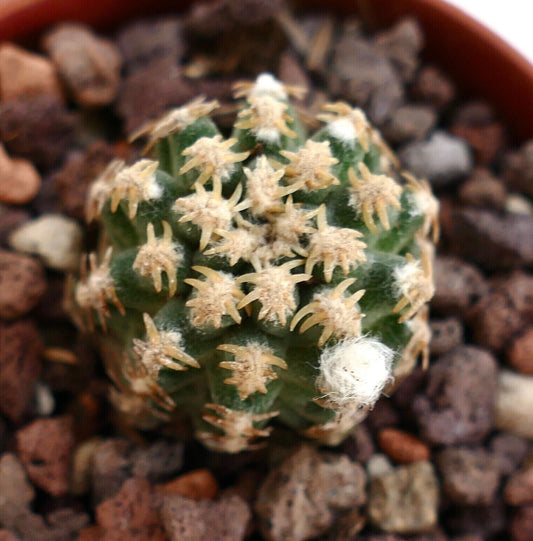
These remarkable cacti are native to the high deserts and mountainous regions of the western United States, where survival demands both toughness and adaptability. Despite their diminutive size, Pediocactus species are exceptionally resilient, often withstanding freezing temperatures, drought, and nutrient-poor soils. Their compact, globular bodies are typically camouflaged in their native environments, sometimes retracting beneath the soil during dormancy to avoid harsh conditions. This cryptic behavior is one of their most fascinating survival strategies. The stem is often adorned with tubercles and firm spines, ranging in color from ivory to deep brown, offering both protection and natural camouflage. Because of their slow growth and rarity in cultivation, Pediocactus are highly valued by advanced collectors who appreciate both their subtle beauty and ecological uniqueness. These are not flashy plants—but their understated elegance, extreme habitat specialization, and conservation status make them true jewels of the cactus world.
Pediocactus Peeblesianus and Simpsonii
Among the most sought-after species are Pediocactus peeblesianus, known for its striking spines and tiny size, and Pediocactus simpsonii, which blooms with vibrant flowers during the spring.
Pediocactus peeblesianus, often no larger than a golf ball, is an endangered species with beautifully arranged spines that range from snow-white to coppery tones. Its minute size and rarity in the wild make it one of the most desirable North American cacti. It often remains nearly invisible in its natural habitat, blending seamlessly into gravelly desert soils until its lovely spring bloom reveals its presence. Pediocactus simpsonii, on the other hand, is slightly larger and better known for its robust, cold-hardy nature. Thriving at elevations over 2,000 meters, it produces stunning magenta to pink flowers in spring, often peeking out through snow. These flowers create a dramatic contrast with the plant’s compact body and spiny texture. Both species exemplify the charm of Pediocactus: discrete, adaptive, and incredibly rewarding when cared for properly. For collectors, these plants represent a connection to the rugged wilderness of the American Southwest and the quiet, patient art of growing alpine cacti.
Pediocactus Knowltonii and Bradyi
The endangered Pediocactus knowltonii and the hardy Pediocactus bradyi showcase the diversity of this genus.
Pediocactus knowltonii is perhaps the rarest cactus in the United States, critically endangered and known from a single, tightly restricted habitat in New Mexico. Measuring just a few centimeters wide, it is among the smallest cacti in existence, yet its tiny stature hides extraordinary botanical interest. It produces pale pink to violet flowers in early spring, adding a delicate splash of color to rocky terrain. Pediocactus bradyi, found in northern Arizona, is more robust but no less remarkable. It exhibits finely spaced radial spines and can develop striking reddish-pink blossoms when mature. Both species grow slowly, making them long-term commitments for collectors willing to meet their precise environmental needs. Their endangered status also underscores the importance of ethical sourcing and seed-grown propagation. These two examples of Pediocactus represent opposite ends of the genus: extreme rarity in one case, and hardy adaptability in the other—yet both hold timeless appeal for cactus connoisseurs.
Care and Cultivation of Pediocactus
Pediocactus species are adapted to survive in extreme conditions.
To cultivate these plants successfully, it is essential to replicate the high-desert environment they naturally inhabit. Use a sharply draining substrate made with mineral ingredients such as pumice, coarse sand, and grit—organic content should be kept minimal. Watering must be done with great restraint; once every 4–6 weeks during the warm growing season is often sufficient. In winter or during dormancy, watering should be entirely suspended, especially if temperatures drop below freezing. Pediocactus species require abundant sunlight—ideally full sun exposure—but must be acclimated gradually to prevent scorch. Provide excellent airflow and avoid high humidity, which can be fatal. Species like Pediocactus nigrispinus, with its dark, almost purplish spines, or the extremely rare Pediocactus paradinei, benefit from deep pots that accommodate their taproots. Fertilization should be minimal: a light dose of cactus fertilizer in spring may promote flowering but is not essential. These cacti are slow to develop but can live for decades, rewarding the grower with compact beauty and a deep sense of connection to some of North America's most extreme botanical habitats.