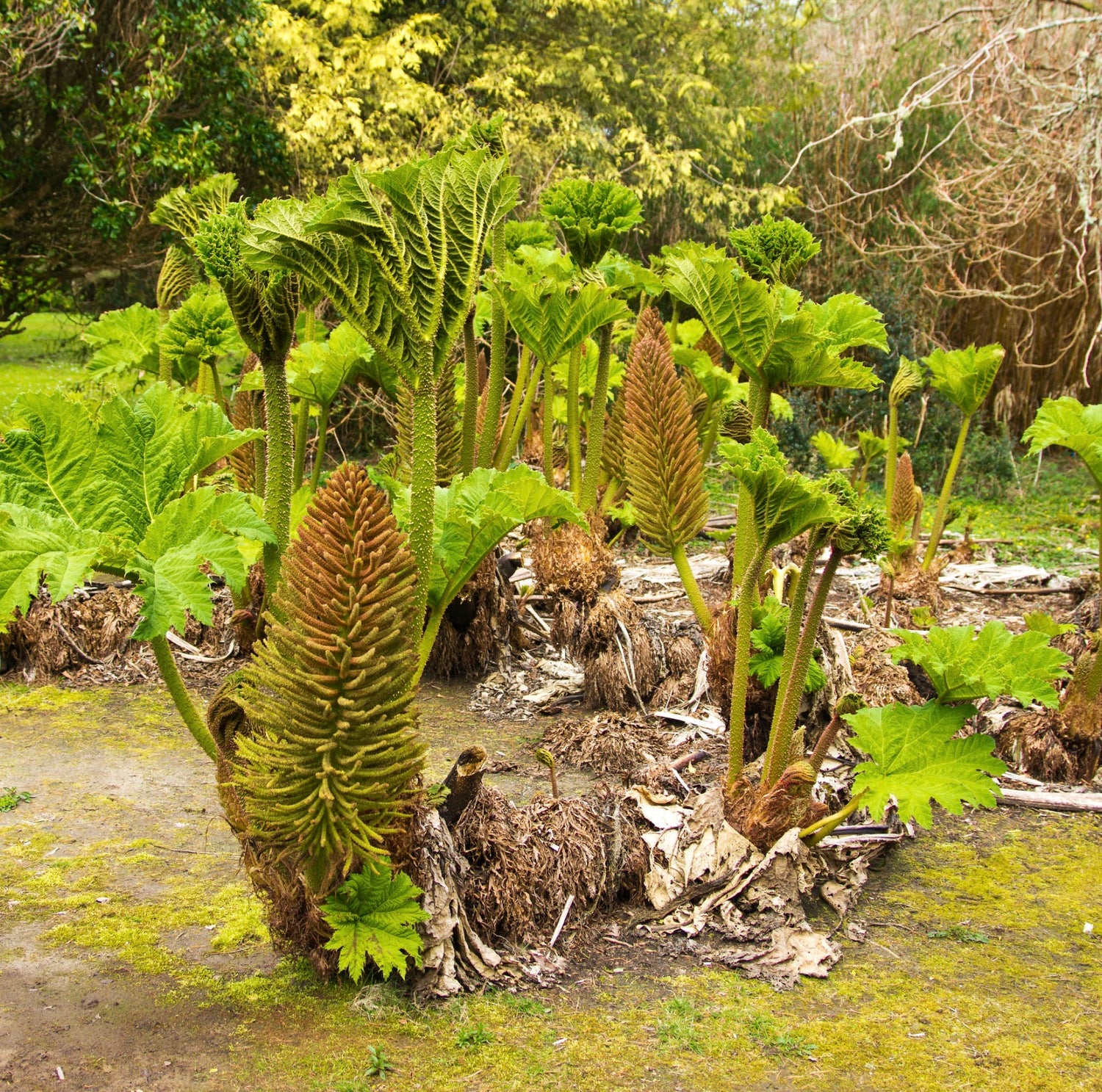
Buddleja: The Vibrant Butterfly Bush
The Buddleja genus, commonly called the butterfly bush, belongs to the family Scrophulariaceae and comprises over 100 species of both deciduous and evergreen shrubs. These plants are celebrated for their striking, fragrant flower clusters that attract a wide range of pollinators, including butterflies, bees, and hummingbirds. Species such as Buddleja davidii and Buddleja globosa are widely cultivated due to their adaptability and vivid floral displays, which play a crucial role in supporting pollinator biodiversity in various ecosystems.
Varieties and Features
The Buddleja genus includes diverse varieties that vary significantly in flower color, shape, and size. Popular cultivars include the Buddleja black knight, known for its deep purple flowers, and the Buddleja pink delight, which features soft pink blooms. The orange ball tree buddleja globosa stands out with its spherical, bright golden-yellow flowers, adapted to attract specific pollinators in its native South American habitats. Other varieties such as the Buddleja royal red and the compact Buddleja buzz series are prized for their ornamental qualities and their suitability for smaller garden spaces. Morphologically, these plants display lance-shaped leaves and dense flower panicles that enhance pollination efficiency by providing accessible nectar sources for various insects and birds.
Care and Cultivation
Buddleja species thrive best in well-drained soils with full sun exposure, conditions that promote vigorous growth and prolific flowering. They tolerate a range of soil types but prefer slightly acidic to neutral pH levels. Gardeners should prune these shrubs regularly after flowering to encourage bushier growth and prevent legginess, which helps maintain plant health and flowering potential. Varieties like Buddleja nanho blue and Buddleja lochinch are especially valued for their resilience and compact growth habits, making them suitable for low-maintenance gardening. Additionally, once established, these shrubs demonstrate drought tolerance, which makes them ideal for xeriscaping in temperate and subtropical climates.
Landscaping and Benefits
The Buddleja butterfly bush plays an important ecological role by supporting pollinator populations vital for ecosystem health and biodiversity. Gardeners use these shrubs to create pollinator-friendly habitats and wildlife corridors, as well as visual screens due to their dense foliage and rapid growth. Their vibrant flowers provide essential nectar sources throughout the summer and early autumn months, sustaining a variety of pollinating insects and birds. Examples such as Buddleja davidii royal red and the white buddleja enhance aesthetic value and classical elegance in mixed borders and naturalistic landscapes.
Besides their ornamental appeal, Buddleja plants contribute to soil stabilization and offer shelter for beneficial insects and birds. They adapt well to both urban and rural garden settings, supporting local biodiversity.
These ecological and horticultural benefits can be summarized as follows:
- They attract butterflies such as monarchs and swallowtails, which rely on them for nectar.
- They support native bee populations that are essential for pollination of many plants.
- Their flowers provide nectar during late growing seasons when other sources decline.
- They adapt effectively to various garden environments, including urban landscapes.
- They serve as host plants for certain butterfly larvae, contributing to butterfly life cycles.
Overall, the Buddleja genus combines striking beauty, ecological importance, and adaptability, making it a valuable component of both cultivated gardens and natural ecosystems.