Albizia: The Graceful Silk Tree
The Albizia genus, commonly known as the Silk Tree, fascinates botanists and gardeners alike with its delicate, fern-like bipinnate leaves and vibrant, fragrant flowers. This group includes notable species such as Albizia julibrissin and Albizia lebbeck, which enjoy popularity for their ornamental appeal and ecological roles. Native primarily to warm temperate and tropical regions across Asia and Africa, Albizia species demonstrate impressive adaptability, thriving in well-drained soils with abundant sunlight. They often inhabit forest edges, savannas, and disturbed areas, where their fast growth helps quickly establish vegetation cover.
Ornamental and Practical Uses
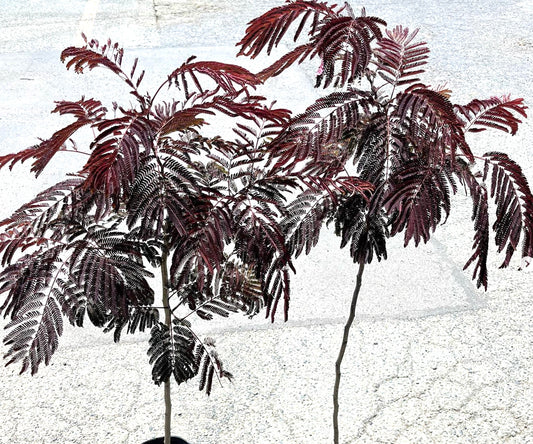
Albizia trees serve important functions in both natural ecosystems and cultivated landscapes. Species like Albizia saman, known as the Rain Tree, develop broad, spreading canopies that provide extensive shade, making them valuable in urban parks and agroforestry systems. The Albizia summer chocolate variety is distinguished by its striking dark foliage, adding unique visual contrast to gardens. Meanwhile, the Albizia julibrissin bonsai form offers a compact and elegant shape, ideal for both indoor and outdoor decorative use. Ecologically, these trees attract numerous pollinators including bees and butterflies, and their seed pods serve as a food source for birds and small mammals. Their rapid growth and nitrogen-fixing root nodules improve soil fertility, making them effective in reforestation and soil stabilization projects. These adaptations also enable them to tolerate drought and poor soils, thus supporting ecosystem recovery in degraded environments.
Important characteristics include rapid growth rates, bipinnate leaves that reduce water loss by increasing transpiration efficiency, and the ability to form symbiotic relationships with nitrogen-fixing bacteria. These traits allow Albizia species to thrive in diverse habitats, from tropical lowlands to subtropical uplands.
Care and Benefits
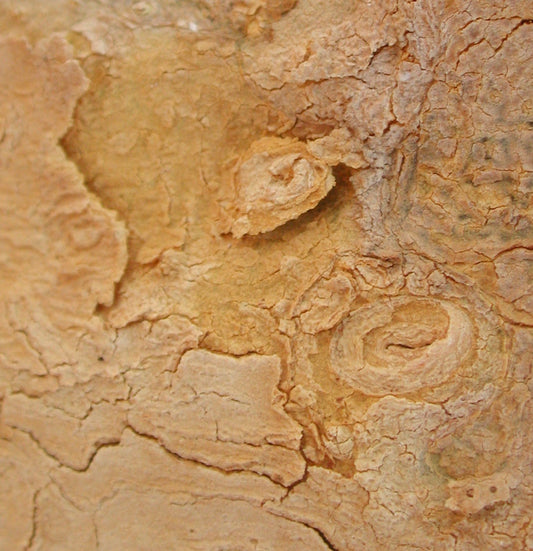
Growing an Albizia tree involves relatively simple care due to its tolerance of various soil types and climatic conditions. These trees prefer sunny locations and moderate watering, requiring minimal maintenance once established. Their bark, flowers, and leaves have traditional uses in herbal medicine, often valued for anti-inflammatory and calming properties. Moreover, Albizia flowers attract a range of pollinators, which helps enhance local biodiversity in garden and urban settings. In addition to their ecological role, Albizia trees contribute significantly to carbon sequestration and provide essential habitats for various bird species, supporting urban wildlife diversity and ecosystem services.
These trees also play a role in agroforestry by improving soil nitrogen content, which benefits neighboring crops. Their ability to grow quickly and fix nitrogen makes them useful in sustainable land management and restoration efforts.
Unique Features and Varieties
The Albizia genus includes remarkable varieties such as Albizia chocolate summer and the Albizia julibrissin summer chocolate plant, prized for their rich, dark foliage and showy, fragrant flowers. Morphological adaptations such as bipinnate leaves minimize water loss and optimize photosynthesis efficiency. Their flowering cycles and seed dispersal methods, often involving wind or animals, enhance their survival across diverse environmental conditions. For example, Albizia lebbeck thrives in dry, tropical climates and produces highly fragrant flowers, while Albizia julibrissin adapts well to temperate zones with distinct seasonal changes.
Collectively, these species demonstrate the genus's versatility in both ecological function and aesthetic appeal. They contribute to soil health, support pollinator populations, and provide shade and shelter for wildlife.
In summary, the Albizia genus comprises a versatile group of trees that blend ornamental beauty with significant ecological benefits. These trees enrich landscapes, support environmental health, and promote biodiversity across a range of habitats.
- Adapt well to tropical and subtropical climates
- Fix atmospheric nitrogen, enhancing soil fertility
- Attract diverse pollinators, supporting ecosystem health
- Provide shade and habitats for various wildlife species
- Used traditionally in herbal medicine for multiple treatments