Collection: Broussonetia
Broussonetia: the paper mulberry and its cultural legacy
A tree of tradition and versatility
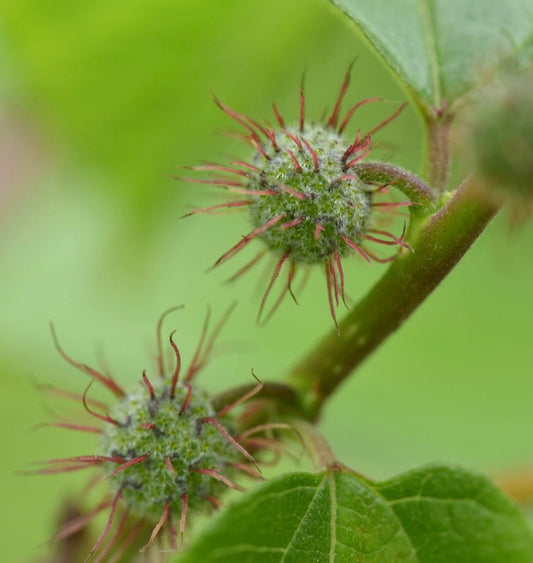
Broussonetia papyrifera, commonly called the paper mulberry, belongs to the Moraceae family, which includes many important woody plants. This genus is native to East Asia but has spread widely due to its valuable uses. For centuries, Broussonetia species have served as primary sources of natural fiber, essential in traditional papermaking and textile crafts. Besides Broussonetia papyrifera, species such as Broussonetia kazinoki and Broussonetia luzonica are appreciated for their ornamental traits, contributing to both cultural heritage and ecological diversity. Their adaptability and various applications make Broussonetia a genus of great botanical and ethnobotanical importance.
Habitat, growth, and cultivation
The paper mulberry tree grows well in a range of environments, from temperate to subtropical regions. It demonstrates rapid growth and tolerates diverse soil types, including poor and disturbed soils. This resilience allows Broussonetia cultivation to extend across Asia and Pacific islands. It often colonizes secondary forests and riverbanks, where it plays a role in soil stabilization and habitat formation. Its root systems and bark adapt to environmental stresses, supporting its survival in various climates. Broussonetia trees are frequently used as landscape trees and for ecological restoration projects, thanks to their fast growth and soil-improving properties.
- Prefers well-drained soils but tolerates a variety of conditions
- Thrives in full sun to partial shade
- Supports local wildlife by providing fruit and shelter
- Can be propagated easily from seeds or cuttings
- Used in agroforestry systems to improve biodiversity
Historical and medicinal uses
Traditionally, the fibrous bark of Broussonetia has been harvested for eco-friendly papermaking, a practice still alive in Japan, Korea, and many Pacific islands. The fibers are strong and flexible, making them ideal for durable paper and textiles. Beyond industrial uses, Broussonetia has a rich medicinal history. Extracts from leaves and bark contain anti-inflammatory and antioxidant compounds, which modern studies have begun to validate. The fruits of Broussonetia are edible and consumed by both humans and wildlife, adding to the plant's ecological role. Moreover, the wood is lightweight and workable, often used in small carpentry and crafting. These diverse uses demonstrate the genus's significance in both traditional medicine and material culture.
Botanical Archive’s guidance on Broussonetia
At Botanical Archive, we emphasize the ecological and cultural value of Broussonetia species. Our resources cover broussonetia seeds and propagation methods, along with detailed advice on growth and care. Understanding the genus’s environmental preferences and resilience helps gardeners and researchers alike. Whether cultivated as an ornamental tree for its attractive foliage or as a sustainable fiber plant, Broussonetia remains an important genus for sustainable horticulture and conservation efforts worldwide.