
Secure Payments
Your security comes first. All our payment methods follow PCI standards and support 3D Secure authentication for safe checkout.


Couldn't load pickup availability
Plant Description
The Broussonetia kazinoki stands out as a remarkable deciduous tree native to East Asia. People often call it the Japanese paper mulberry due to its significant role in traditional paper-making. This tree displays a broad canopy with lush green leaves that change color beautifully in autumn, adding seasonal charm to any landscape. Its botanical elegance makes it a prized species in regional flora.
Broussonetia kazinoki species are valued not only for their ornamental beauty but also for their cultural importance. The tree’s bark produces fibers that historically contributed to fine papermaking. It is sometimes referred to as Asian mulberry because of its relation to mulberry plants commonly found across Asia. Gardeners and botanists appreciate this tree for its robust growth and adaptability within its native environment.
The Broussonetia kazinoki tree continues to captivate with its unique features and historical ties. Its presence in gardens reflects a blend of natural beauty and cultural heritage. As a symbol of regional importance in Japan, this Paper mulberry enriches landscapes with its distinctive form and texture. It remains a cherished species among those who admire East Asian flora.
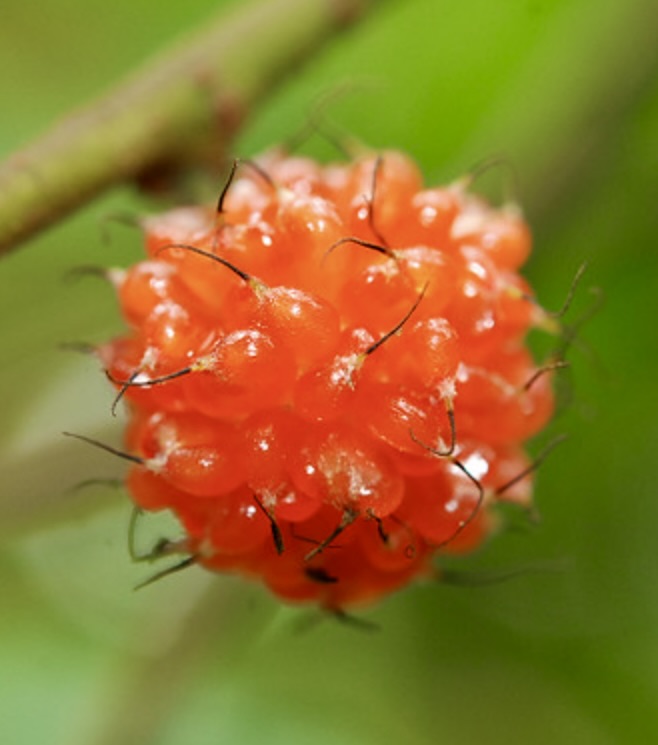
IMPORTANT: The pictures show the mother plant, which is not for sale. The offer includes a plant with the dimensions stated in the description.
Botanical family: Moraceae
Botanical genus: Broussonetia
Botanical species: Broussonetia kazinoki
SKU:BA-10434-S
Soil type: Adapts well to a variety of well-drained soils, from sandy to loamy; prefers slightly acidic to neutral pH.
Watering frequency: Moderate watering; keep evenly moist when young, but established plants tolerate short dry spells.
Light exposure: Prefers full sun to partial shade. Too much shade may reduce leaf density.
Temperature requirements: Tolerates a range from -15°C to 30°C (5°F to 86°F); thrives in temperate to subtropical climates.
Fertilization: Light feeder; apply a balanced fertilizer in early spring to promote healthy leaf growth.
Pruning: Prune in late winter or early spring to shape and remove weak or crossing branches. Responds well to coppicing or pollarding.
Common pests: Generally pest-resistant; may occasionally attract aphids or spider mites.
Other care practices: Its vigorous root system can spread by suckers; monitor growth in managed landscapes. Best planted where fiber harvesting or foliage display is desired.
Plant Height:
Plant Diameter:
Pot Size:
Grafted/Not Grafted: Not Grafted
Disclaimer: Be aware that most plants change across seasons. If present foliage, could have been fallen or change in its color.


Your security comes first. All our payment methods follow PCI standards and support 3D Secure authentication for safe checkout.
Our customer support is available Monday to Saturday from 9:00 AM to 6:00 PM (European time).
Our products travel in professional, eco-friendly packaging made from recycled materials, ensuring safe delivery.
We ship worldwide with full tracking. A Phytosanitary Certificate is provided for all exports outside the EU.