
Specimen Plants
-
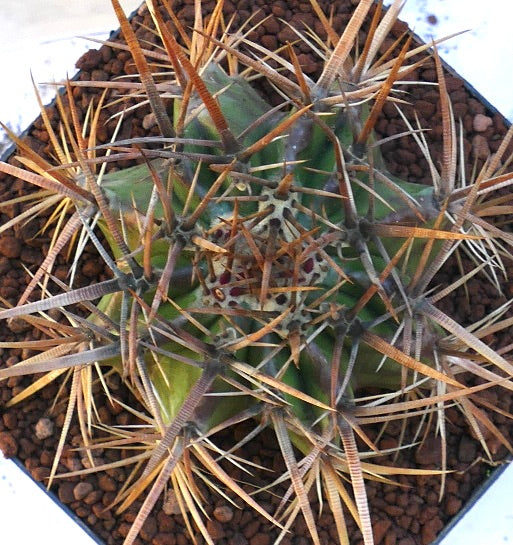
Lithops karasmontana form MICKBERGENSIS (20km N-NE of Grünau, Namibia) C169
Regular price From €4,50 EURRegular price -

 Sale
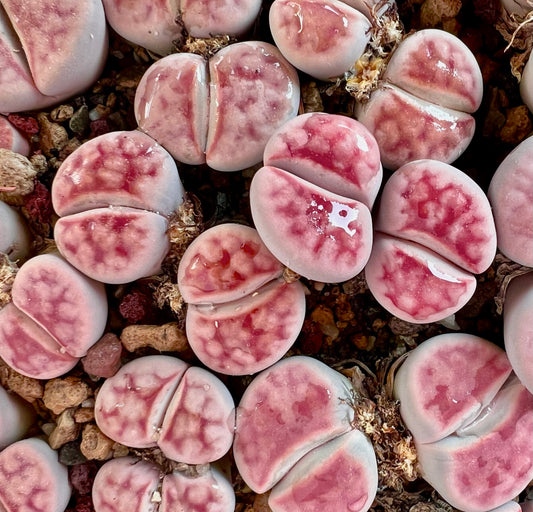
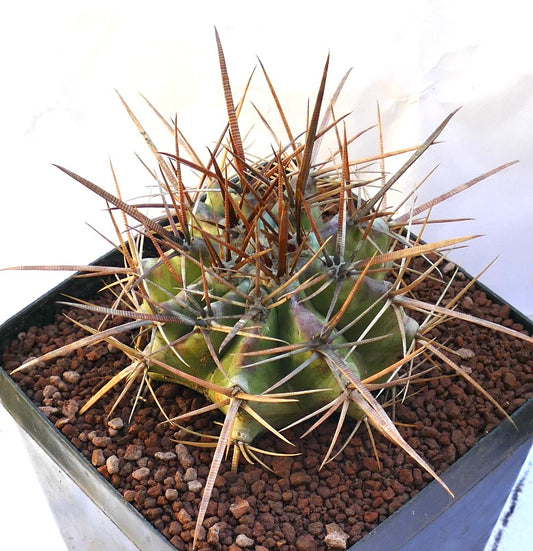
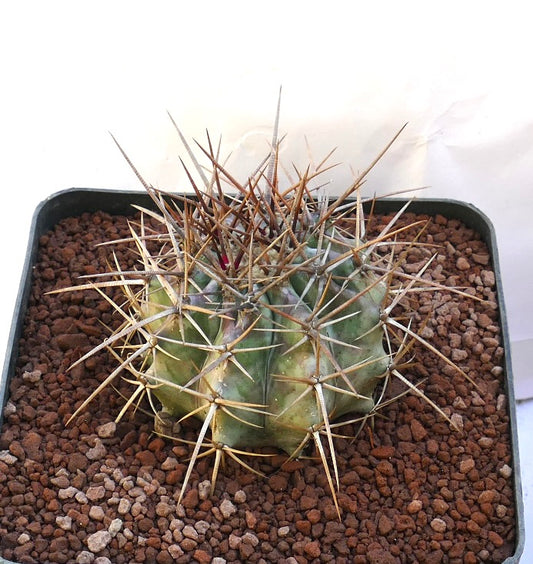
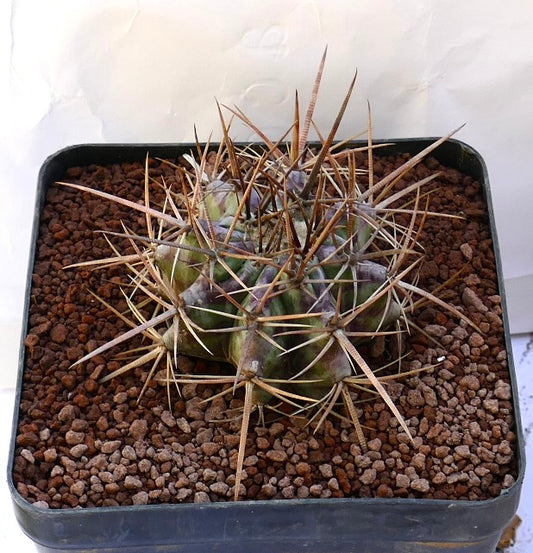
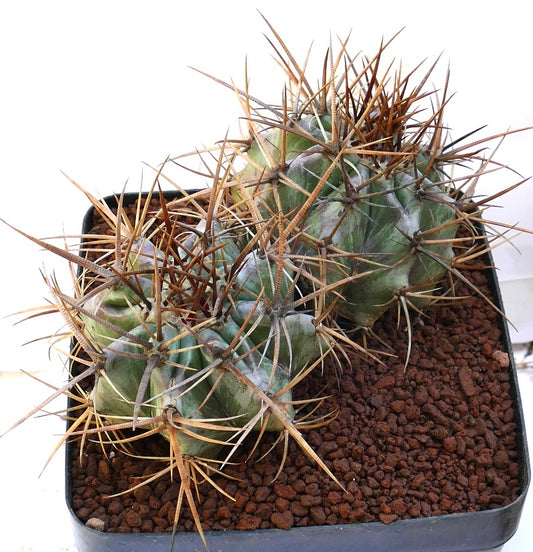
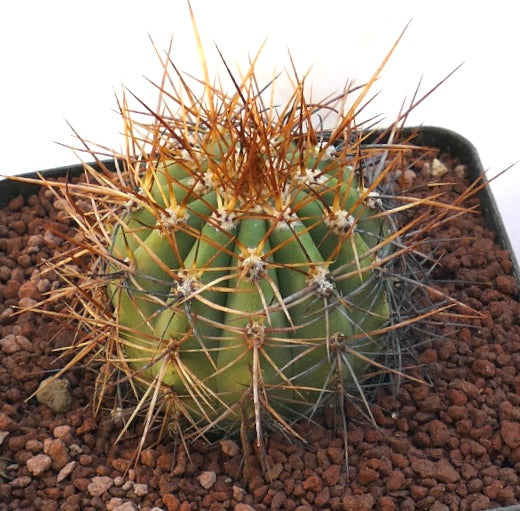
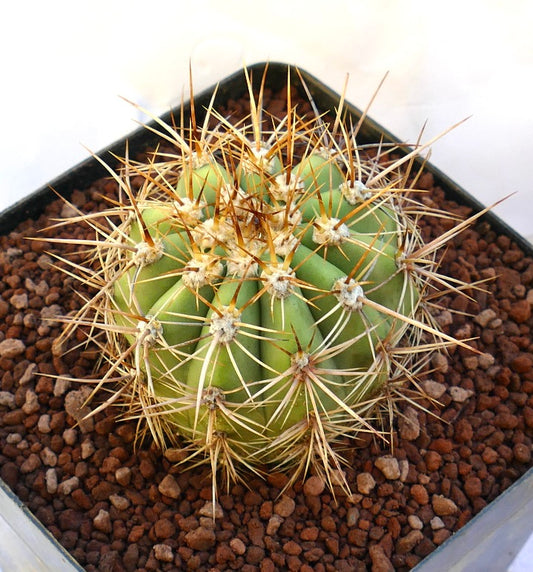
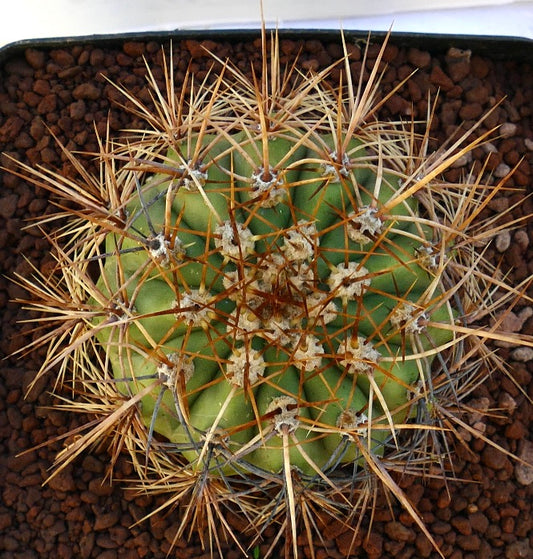
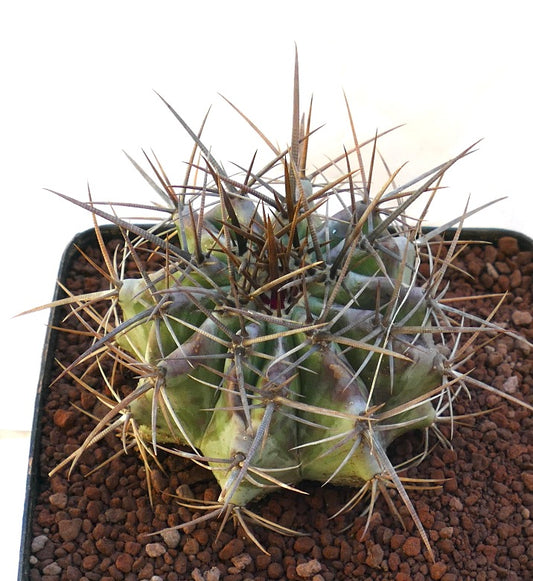
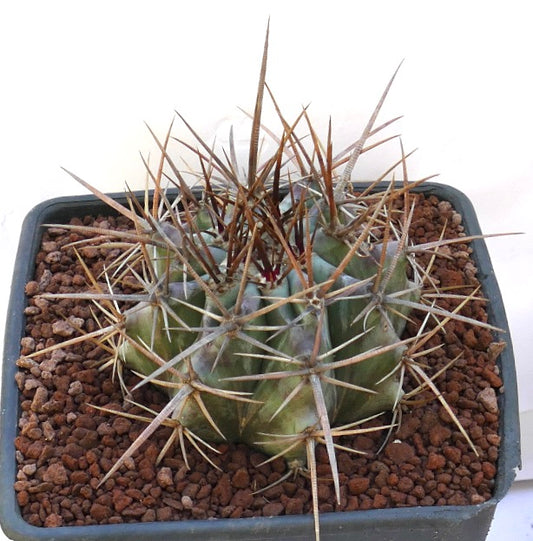
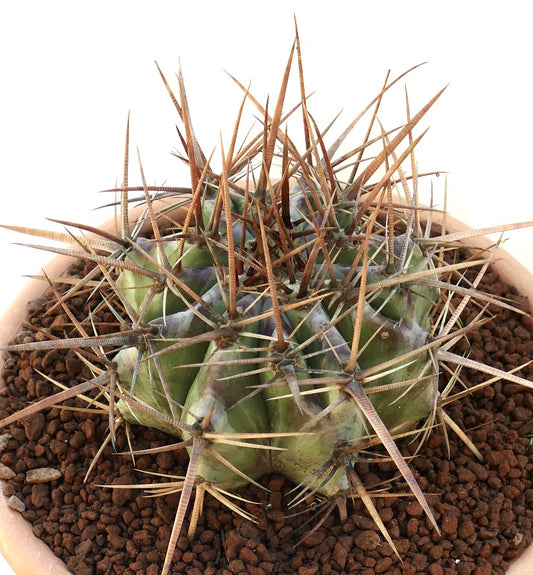
SaleEchinocactus ingens
Regular price €28,00 EURRegular priceUnit price €28,00 each€50,00 EURSale price €28,00 EURSale -
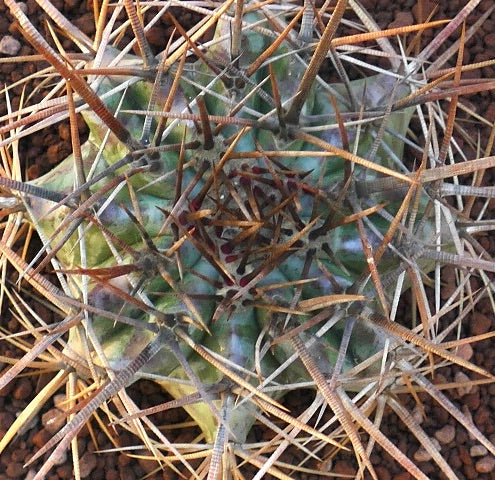
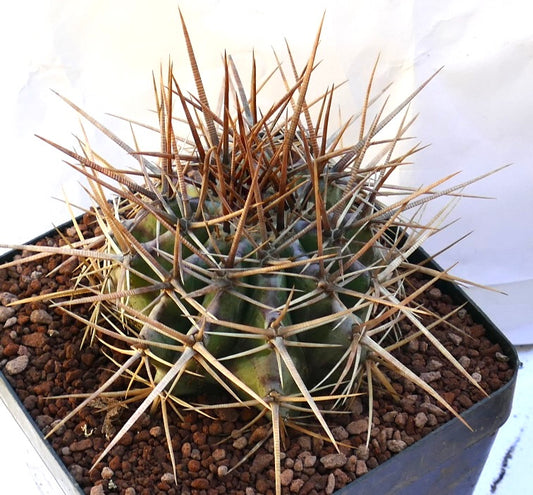
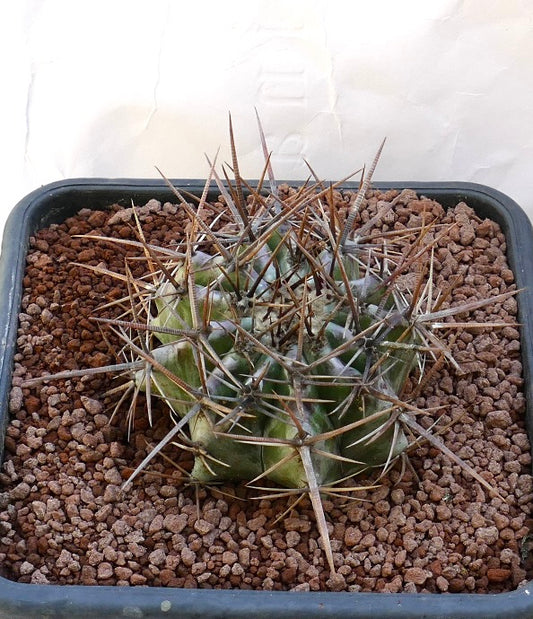
Echinocactus ingens SUPER STRONG SPINES
Regular price €38,00 EURRegular priceUnit price €38,00 each€60,00 EURSale price €38,00 EURSale -
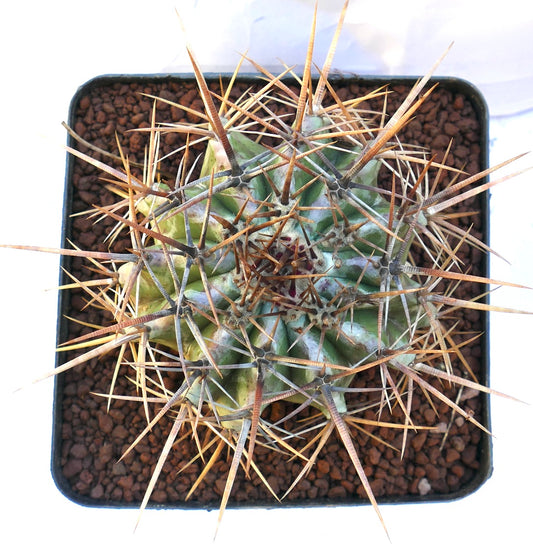
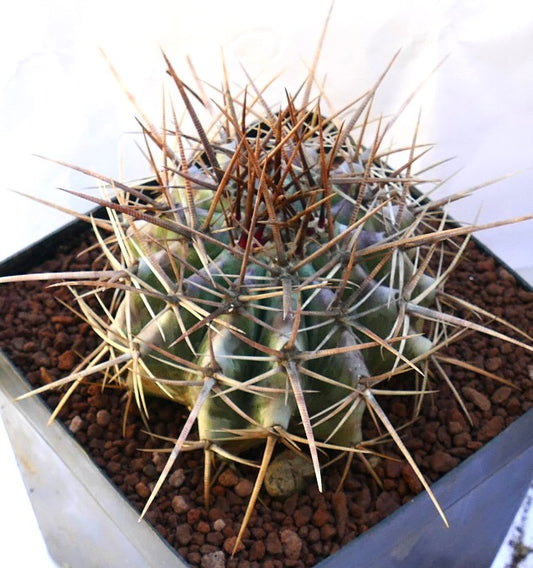
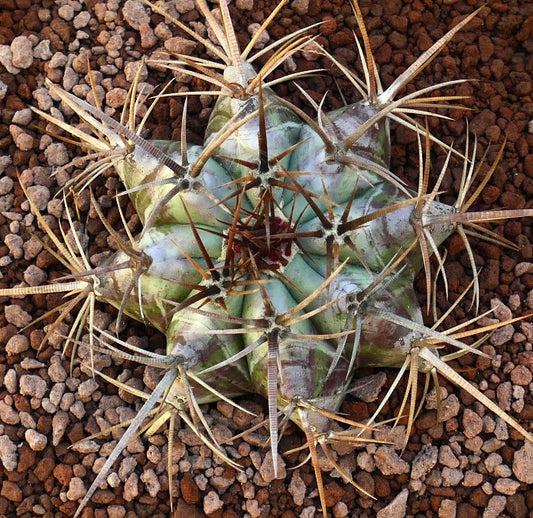
Echinocactus ingens BFG
Regular price €34,00 EURRegular priceUnit price €34,00 each€48,00 EURSale price €34,00 EURSale -
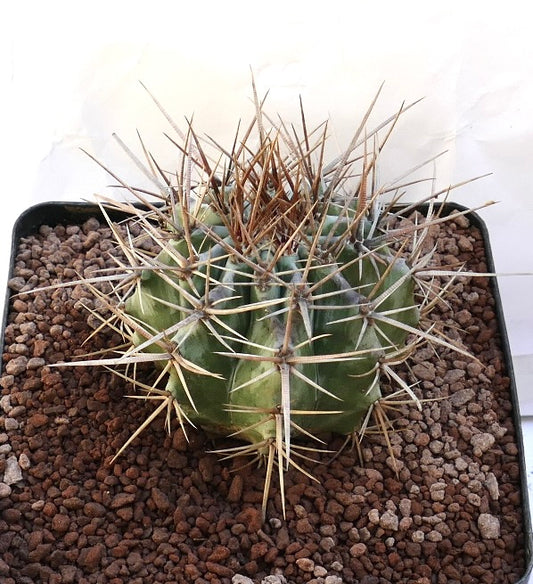
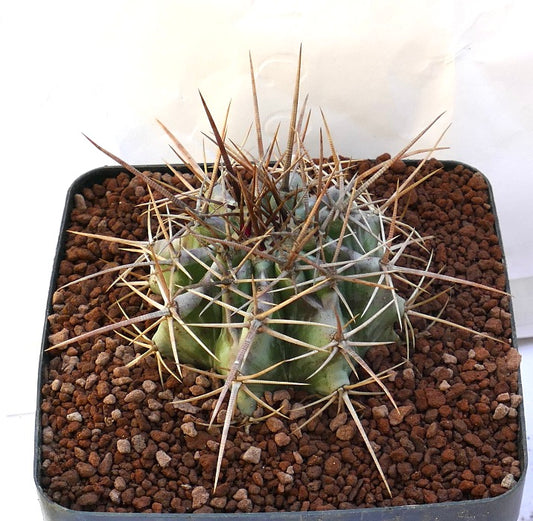
Echinocactus ingens 1113
Regular price €25,00 EURRegular price€50,00 EURSale price €25,00 EURSale -
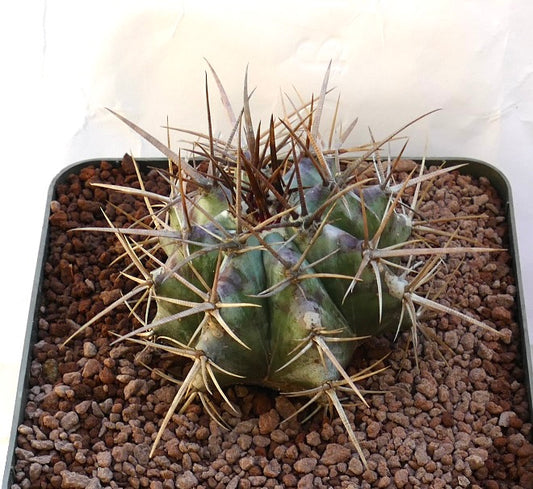
Echinocactus ingens SUPER STRONG SPINES
Regular price €26,00 EURRegular price -
Echinocactus ingens BIN99
Regular price €23,00 EURRegular priceUnit price €23,00 each€46,00 EURSale price €23,00 EURSale -
Echinocactus ingens YR2
Regular price €20,00 EURRegular priceUnit price €20,00 each -
Echinocactus ingens 16cm diameter SELECTED
Regular price €22,00 EURRegular price -
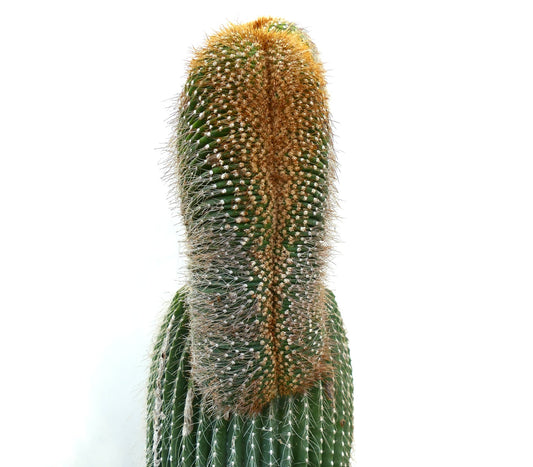
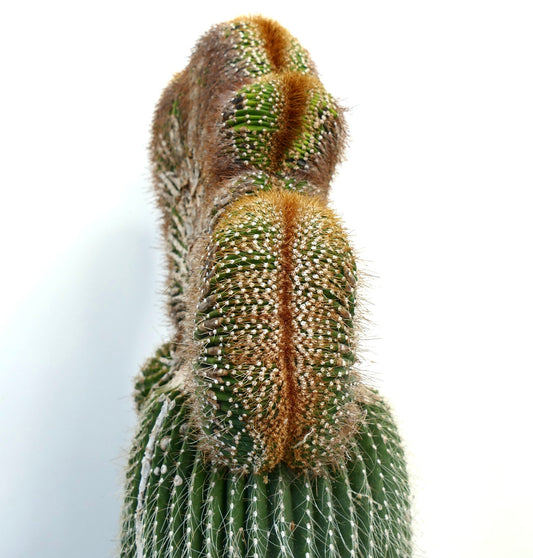
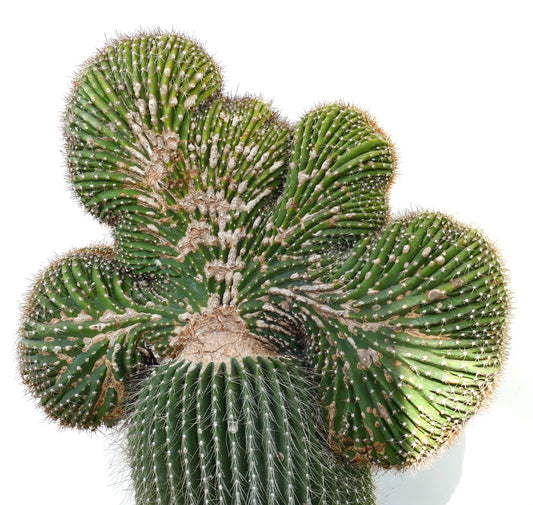
Carnegiea polylopha SAGUARO CRESTED 58x36cm
Regular price €375,00 EURRegular priceUnit price €375,00 each€600,00 EURSale price €375,00 EURSale -
Echinocactus ingens 17cm diameter 20/8K0
Regular price €18,00 EURRegular price€36,00 EURSale price €18,00 EURSale -
Echinocactus ingens 15cm diameter GM13
Regular price €15,00 EURRegular price€30,00 EURSale price €15,00 EURSale -
Echinocactus ingens 19cm diameter BCA
Regular price €19,00 EURRegular price€38,00 EURSale price €19,00 EURSale -
Carnegiea polylopha SAGUARO CRESTED 61x32cm
Regular price €390,00 EURRegular price€650,00 EURSale price €390,00 EURSale -
Echinocactus ingens CC7 diameter 20cm
Regular price €24,00 EURRegular price€48,00 EURSale price €24,00 EURSale -
Echinocactus ingens STRONG SPINES 110L
Regular price €28,00 EURRegular price€56,00 EURSale price €28,00 EURSale -
Echinocactus ingens 2 HEADS
Regular price €40,00 EURRegular price€80,00 EURSale price €40,00 EURSale -
Cereus pasacana BROWN SPINES OT2KK
Regular price €22,00 EURRegular price -
Cereus pasacana 753
Regular price €18,00 EURRegular price -
Carnegiea polylopha SAGUARO CRESTED 60x40cm
Regular price €390,00 EURRegular price€650,00 EURSale price €390,00 EURSale -
Cereus pasacana C190
Regular price €12,00 EURRegular price -
Echinocactus ingens F3Z1 16cm diameter
Regular price €27,00 EURRegular price€55,00 EURSale price €27,00 EURSale -
Echinocactus ingens 16cm diameter (selected)
Regular price €24,00 EURRegular price€48,00 EURSale price €24,00 EURSale -
Echinocactus ingens 21,5cm diameter
Regular price €22,00 EURRegular price€44,00 EURSale price €22,00 EURSale
























Collection: Specimen Plants
Specimen Plants in our Store
Specimen Plants captivate plant enthusiasts with their distinctive beauty and rarity. These plants range from vibrant species thriving in exotic habitats to those that demand careful cultivation. Their unique forms and colors enrich botanical collections, making them focal points in gardens and indoor spaces. Moreover, they offer insights into specialized adaptations and ecological roles, inspiring curiosity and appreciation for plant diversity.

The Allure of Specimen Plants
Specimen Plants such as orchids, succulent hybrids, and carnivorous varieties possess intriguing morphological traits that fascinate collectors. Orchids, with their complex flower structures, often rely on specific pollinators, illustrating coevolution. Succulent hybrids display adaptations to arid environments through water storage tissues. Carnivorous plants have evolved mechanisms to trap insects, compensating for nutrient-poor soils. These botanical treasures enhance indoor and outdoor gardens by introducing rare colors and forms rarely found in common plants.

Benefits of Cultivating Specimen Plants
Growing specimen plants supports biodiversity conservation by preserving rare species and their genetic diversity. These plants often originate from delicate ecosystems such as tropical rainforests or specialized habitats like limestone outcrops. Cultivating them promotes awareness of ecological relationships, including symbiosis with fungi or pollinators. Additionally, they contribute to ecological education and scientific research. Rainforest plants and exotic ferns exemplify species that enrich collections while connecting growers to natural habitats and conservation efforts.

Caring for Rare Plants
Successful cultivation of specimen plants requires understanding their native environments. Many demand specific light levels, humidity, and soil conditions that mimic natural habitats. For example, some orchids thrive in filtered light with high humidity, while succulents prefer bright light and well-draining soil. Proper watering schedules prevent root rot or dehydration. Many rare plants also depend on mycorrhizal associations for nutrient uptake. Patience and observation help growers adapt care routines to each plant’s needs, making cultivation a rewarding experience that deepens botanical knowledge.

Where to Begin with Rare Plants
Beginners interested in specimen plants should consider hardy species that tolerate a range of conditions. Easy-to-grow options include monstera varieties and unusual succulents, which display striking foliage or forms without demanding intensive care. Starting with these plants allows novices to learn about growth habits, light preferences, and watering needs. This foundational experience prepares enthusiasts to explore more challenging species over time.

- Monstera plants offer large, fenestrated leaves adapted to tropical understories.
- Succulents store water in thick leaves, adapted to arid climates.
- Orchids demonstrate complex pollination strategies and require specific humidity.
- Carnivorous plants adapt to nutrient-poor soils through insect capture.
- Exotic ferns thrive in shaded, moist environments with unique frond patterns.
Other Collections in the Archive
-

Specimen Plants
Specimen Plants in our Store Specimen Plants captivate plant enthusiasts with their...
-
Catalogue Plants
Catalogue plants provide a wide variety of options to elevate your garden...
-
Gardening Tools & Soils
Gardening tools – essentials for healthy soils and thriving plants Building a...


