
Secure Payments
Your security comes first. All our payment methods follow PCI standards and support 3D Secure authentication for safe checkout.

Couldn't load pickup availability
Plant Description
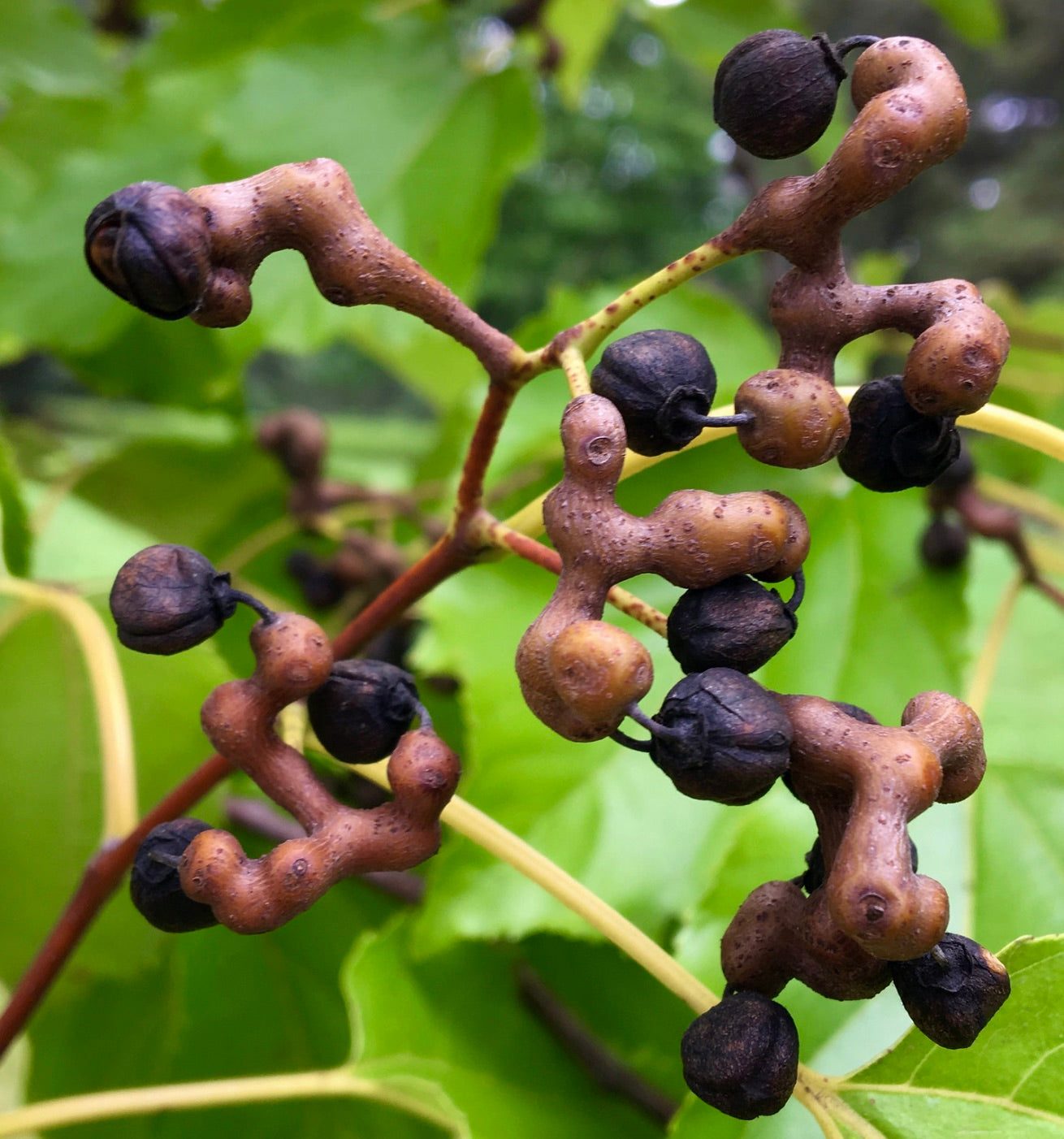
The Hovenia dulcis stands out as a striking deciduous tree native to East Asia. People often call it the Japanese raisin tree due to its unique edible fruit, which resembles small raisins. This tree boasts lush, broad leaves that turn vibrant colors in autumn, making it an excellent ornamental choice for gardens seeking seasonal interest. Its graceful form and textured bark add to its aesthetic appeal.
The Hovenia dulcis tree is highly valued for its resilience and adaptability. As a drought tolerant species, it thrives in various climates while maintaining its lush foliage and robust structure. Gardeners appreciate its ability to provide shade and visual appeal throughout the growing season. Additionally, the tree produces clusters of fragrant flowers that attract pollinators, enriching local biodiversity.
Known as the Oriental raisin tree, Hovenia dulcis enriches any landscape with its exotic charm and functional beauty. This East Asian species remains a favorite among plant enthusiasts for its ornamental qualities and edible benefits. Whether admired for its fruit or its graceful foliage, the Hovenia dulcis adds both interest and value to diverse garden settings.
IMPORTANT: The pictures show the mother plant, which is not for sale. The offer includes a plant with the dimensions stated in the description.
Botanical family: Rhamnaceae
Botanical genus: Hovenia
Botanical species: Hovenia dulcis
SKU:BA-2003-S
Soil type: Prefers well-draining, loamy soils; tolerates slightly acidic to neutral pH.
Watering frequency: Moderate; water regularly during dry spells but avoid waterlogging.
Light exposure: Full sun is ideal for best fruit and growth.
Temperature requirements: Thrives in temperatures between 15–30°C (59–86°F); tolerates short dips to -10°C (14°F).
Fertilization: Use a balanced slow-release fertilizer in spring and mid-summer.
Pruning: Light pruning in late winter or early spring to maintain shape and remove dead branches.
Common pests: Generally pest-resistant, though watch for aphids or scale in humid conditions.
Any other relevant care practices: Mulch around the base to retain soil moisture and suppress weeds.
Plant Height:
Plant Diameter:
Pot Size:
Grafted/Not Grafted: Not Grafted
Disclaimer: Be aware that most plants change across seasons. If present foliage, could have been fallen or change in its color.
Your security comes first. All our payment methods follow PCI standards and support 3D Secure authentication for safe checkout.
Our customer support is available Monday to Saturday from 9:00 AM to 6:00 PM (European time).
Our products travel in professional, eco-friendly packaging made from recycled materials, ensuring safe delivery.
We ship worldwide with full tracking. A Phytosanitary Certificate is provided for all exports outside the EU.