
All Citrus Plants
-
Citrus aurantiifolia var. limetta
Regular price From €18,00 EURRegular price -
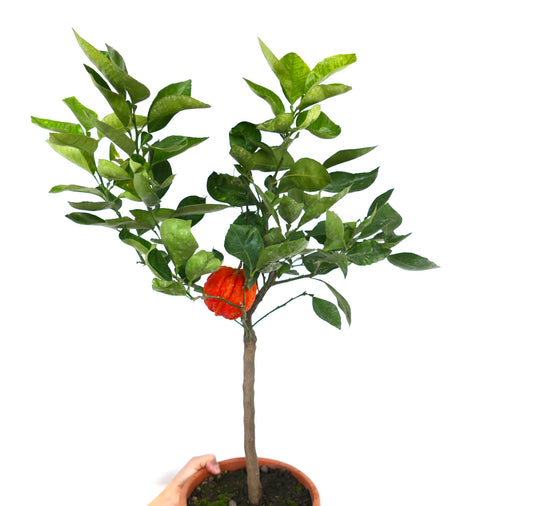
Citrus aurantium 'Corrugated Orange'
Regular price From €85,00 EURRegular price -
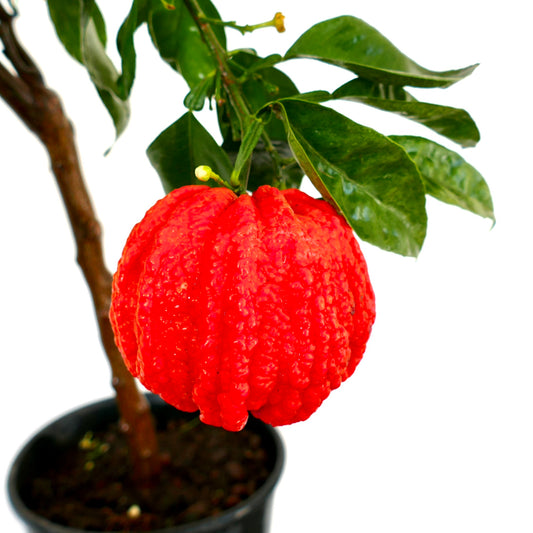
Citrus aurantium 'Corrugated VESUVIUM'
Regular price From €120,00 EURRegular price -
Citrus aurantium cv 'Picasso'
Regular price From €90,00 EURRegular price -
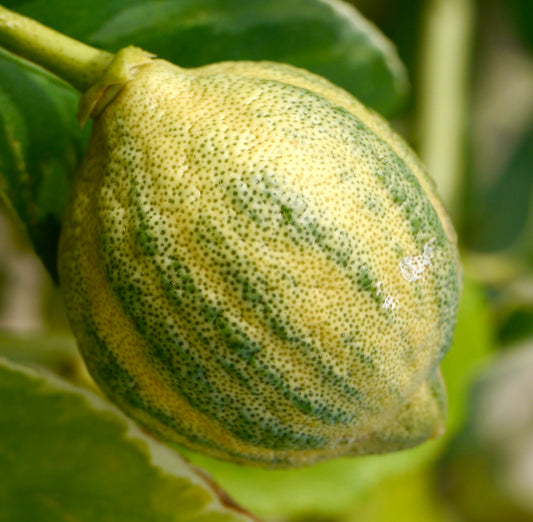
Citrus aurantium VARIEGATED
Regular price From €110,00 EURRegular price -
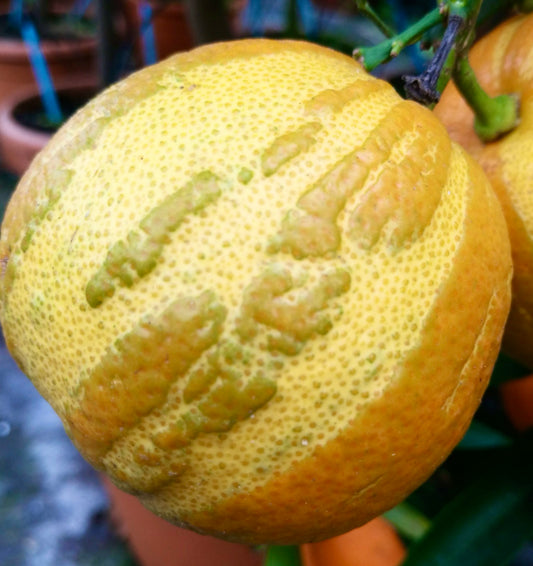
Citrus aurantium VIRGATUM (also know as Bitter Swiss ORANGE) 20-50cm
Regular price €140,00 EURRegular price -
Citrus australasica cv BLACK
Regular price From €35,00 EURRegular price -
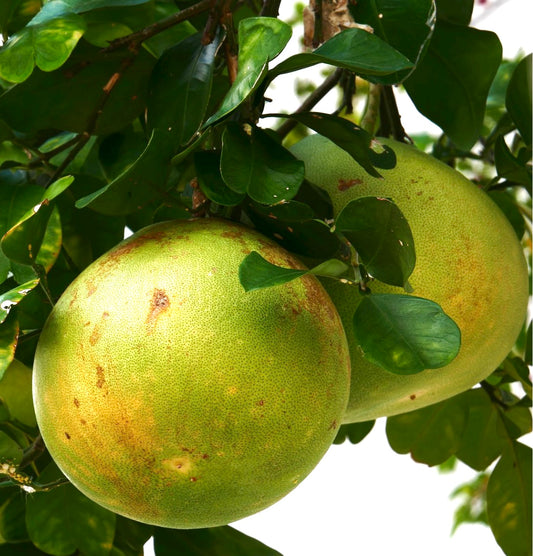
Citrus grandis o C. Maxima (POMELO or PUMMELO SHADDOCK)
Regular price From €30,00 EURRegular price -
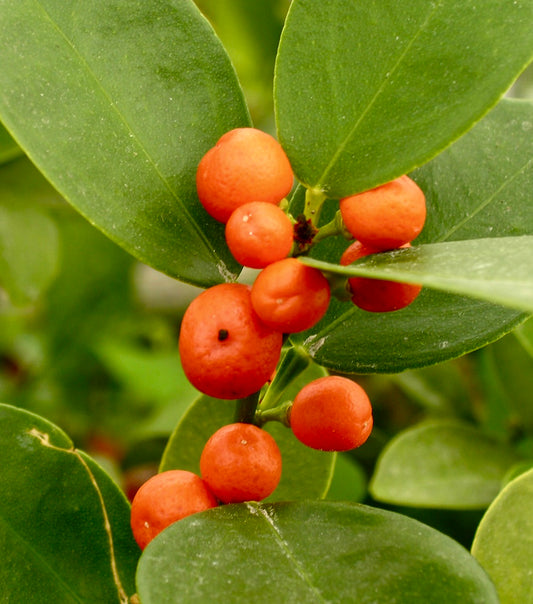
Citrus hindsii (Hong Kong KUMQUAT)
Regular price From €100,00 EURRegular price -
Citrus limon AMALFI COAST MAGGIORE
Regular price From €65,00 EURRegular price€80,00 EURSale price From €65,00 EURSale -
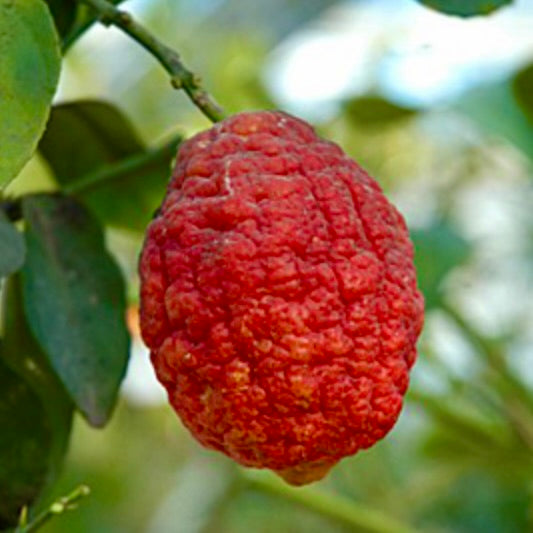
Citrus limon cv ETNA (extra red fruits)
Regular price From €65,00 EURRegular price€80,00 EURSale price From €65,00 EURSale -
Citrus limon MEYER
Regular price From €29,00 EURRegular price -
Citrus limon SORRENTO
Regular price From €29,00 EURRegular price -
Citrus medica
Regular price From €25,00 EURRegular price -
Citrus medica var. sarcodactylus (Buddha's hand Citron)
Regular price From €65,00 EURRegular price -
Citrus mitis CALAMONDINO (dwarf mandarin) 40-70cm
Regular price €60,00 EURRegular price -
Citrus reticulata (Early Mandarin)
Regular price From €39,00 EURRegular price -
Citrus reticulata MARZAIOLO (Late Mandarin)
Regular price From €42,00 EURRegular price -
Citrus sinensis cv 'Moro' 50-70cm
Regular price €65,00 EURRegular price -
Citrus sinensis cv TAROCCO SCIRE' (Sicily)
Regular price From €65,00 EURRegular price -
Citrus sinensis NAVEL WASHINGTON
Regular price From €65,00 EURRegular price -
Citrus sinensis TAROCCO (Sicily)
Regular price From €52,00 EURRegular price -
 Sold out
Citrus sinensis ‘Navel Cara Cara’
Regular price From €125,00 EURRegular price -
Citrus x aurantium 'Arcobal'
Regular price From €100,00 EURRegular price









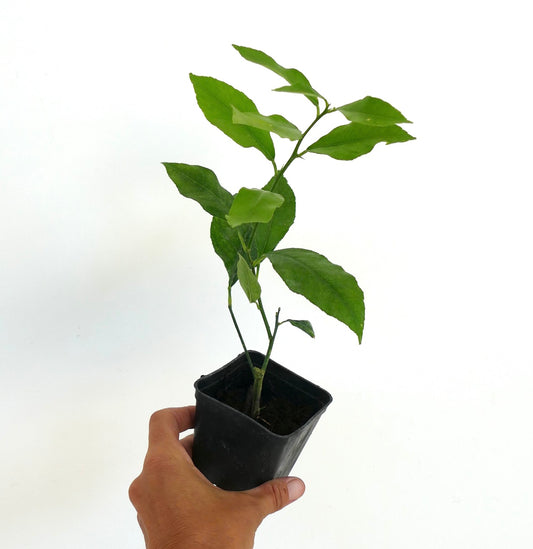

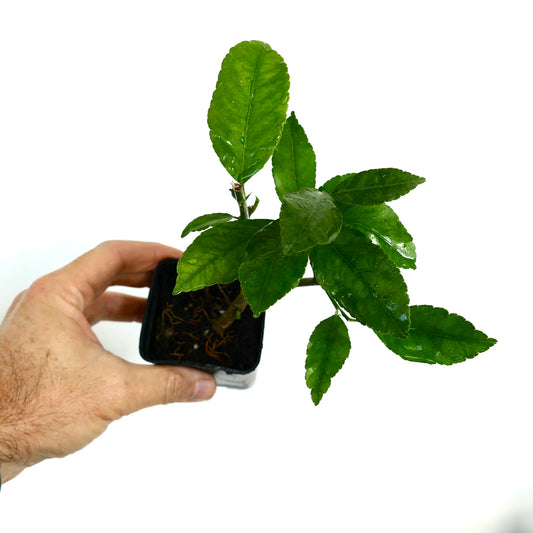


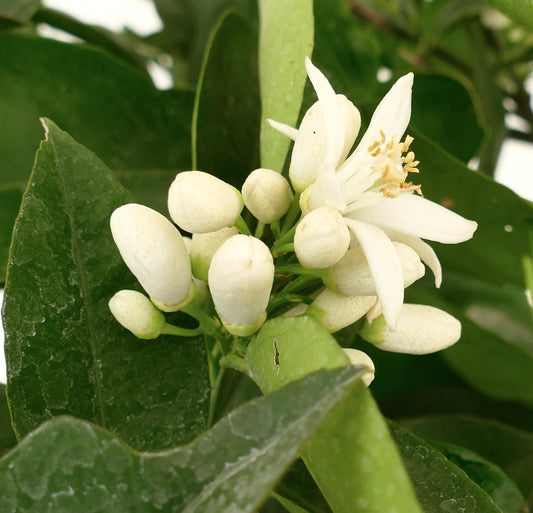


Collection: All Citrus Plants
A Vibrant Addition to Your Garden
Citrus plants are a fantastic choice for anyone looking to grow fragrant, fruit-bearing trees in their garden or patio.
From fragrant blossoms to bright, edible fruit, citrus plants add more than just color to your garden—they bring life, aroma, and seasonal reward. With their evergreen foliage and elegant branching structure, they provide year-round interest, even when not in fruit. Whether you’re cultivating a small urban patio or a large orchard, species like the citrus plant calamondin, citrus mitis calamondin orange plant, and the classic citrus limon plant are reliable, beautiful choices that adapt well to pots, raised beds, or in-ground planting.
These plants are admired not only for their lush appearance but for their symbolic and culinary significance. Citrus trees have long been associated with prosperity and abundance, making them popular gifts and focal points. The vibrant color of their fruit, from the deep orange of calamondin to the pale yellow of limon, contrasts beautifully with glossy green leaves. Many also appreciate the delightful fragrance of their flowers, which perfume the air even before fruiting begins—creating a multi-sensory garden experience.

Care and Growth Tips for Citrus Plants
Growing healthy citrus plants is easier than you might think.
With a little planning, you can enjoy bountiful harvests from your citrus trees year after year. Sunlight is essential: place your citrus plants where they can receive 6–8 hours of direct sun per day, whether outdoors or near a bright window indoors. Water consistently, but avoid waterlogged soil—well-draining soil mixes are key, especially for container-grown trees.
Potted options like the olive tree pot plant are ideal for balconies and patios, providing flexibility for urban gardeners. For a touch of tropical interest, companion species like lemon lime dracena plants can be grown nearby to complement the citrus palette. And for a spicy alternative, consider the lemon drop chilli plant, which pairs beautifully in edible container arrangements. Regular pruning helps keep citrus trees compact, encourages airflow, and boosts fruit production. Fertilize during the growing season with a citrus-specific blend rich in magnesium and potassium to support lush foliage and juicy fruit. With proper care, even a young tree can begin fruiting within a couple of seasons.

Exotic Citrus and Fruit Trees
Explore exotic options like the passion fruit plant and dragon fruit plant, which add a unique touch to any garden.
If you're looking to expand your garden beyond the familiar, consider incorporating more adventurous species alongside your citrus trees. The passion fruit plant, with its exotic flowers and trailing vines, can climb trellises and walls, creating vertical interest. Meanwhile, the dragon fruit plant offers both sculptural beauty and edible rewards, with its dramatic blooms and spiny, architectural stems.
Less common additions like osage orange plants bring rustic charm and historic significance, having once been used as natural fencing. These plants, while not traditional citrus, blend well in a fruit-focused landscape and support biodiversity. A collection of rare or exotic edibles can become a conversation starter, a source of inspiration for recipes, and a highly rewarding horticultural project. These selections create a tropical microclimate feel—even in temperate gardens—and visually complement the vibrant look of traditional citrus trees.

Versatile Uses for Citrus Trees
Citrus plants are versatile and can thrive in diverse environments.
Whether you’re creating an orchard, a courtyard, or a sunroom sanctuary, citrus plants can adapt to your vision. Compact varieties are perfect for patios, while full-sized trees provide structure and shade in larger spaces. The jade tree plant, though not a citrus, pairs wonderfully in decorative arrangements, especially where texture and contrast are desired. Similarly, the verbena lemon plant contributes fragrance and a soft, trailing form—perfect beneath taller citrus species.
Citrus trees also support pollinators, attracting bees and beneficial insects during flowering periods. In culinary gardens, they provide not only fruit, but zest, blossoms, and even leaves for teas, syrups, and garnishes. Their versatility makes them invaluable in both ornamental and productive landscapes. Growing them in containers allows for easy repositioning based on season, sunlight, or design needs. Whether indoors or outdoors, they’re long-lived, beautiful, and deeply satisfying to grow.
For a personalized touch, start with a planting banana tree or a planting papaya tree, both easy to maintain and highly rewarding.
These tropical cousins round out any edible landscape with their bold leaves and fast growth. A planting banana tree brings dramatic vertical presence and shade, while the planting papaya tree offers sweet fruit and year-round greenery in frost-free zones. Like citrus, both species are surprisingly manageable in pots when young and can be overwintered indoors in cooler climates. Starting with these easy-care fruit trees expands your gardening possibilities and brings a taste of the tropics home.
If you’re ready to build a vibrant, multi-layered edible garden, few combinations are more compelling than citrus, papaya, passion fruit, and banana. Together, they create a lush oasis that’s not only beautiful but productive—nourishing the body, enriching the senses, and transforming your garden into a sanctuary of flavor, fragrance, and color.
Other Collections in the Archive
-

Specimen Plants
Specimen Plants in our Store Specimen Plants captivate plant enthusiasts with their...
-
Catalogue Plants
Catalogue plants provide a wide variety of options to elevate your garden...
-
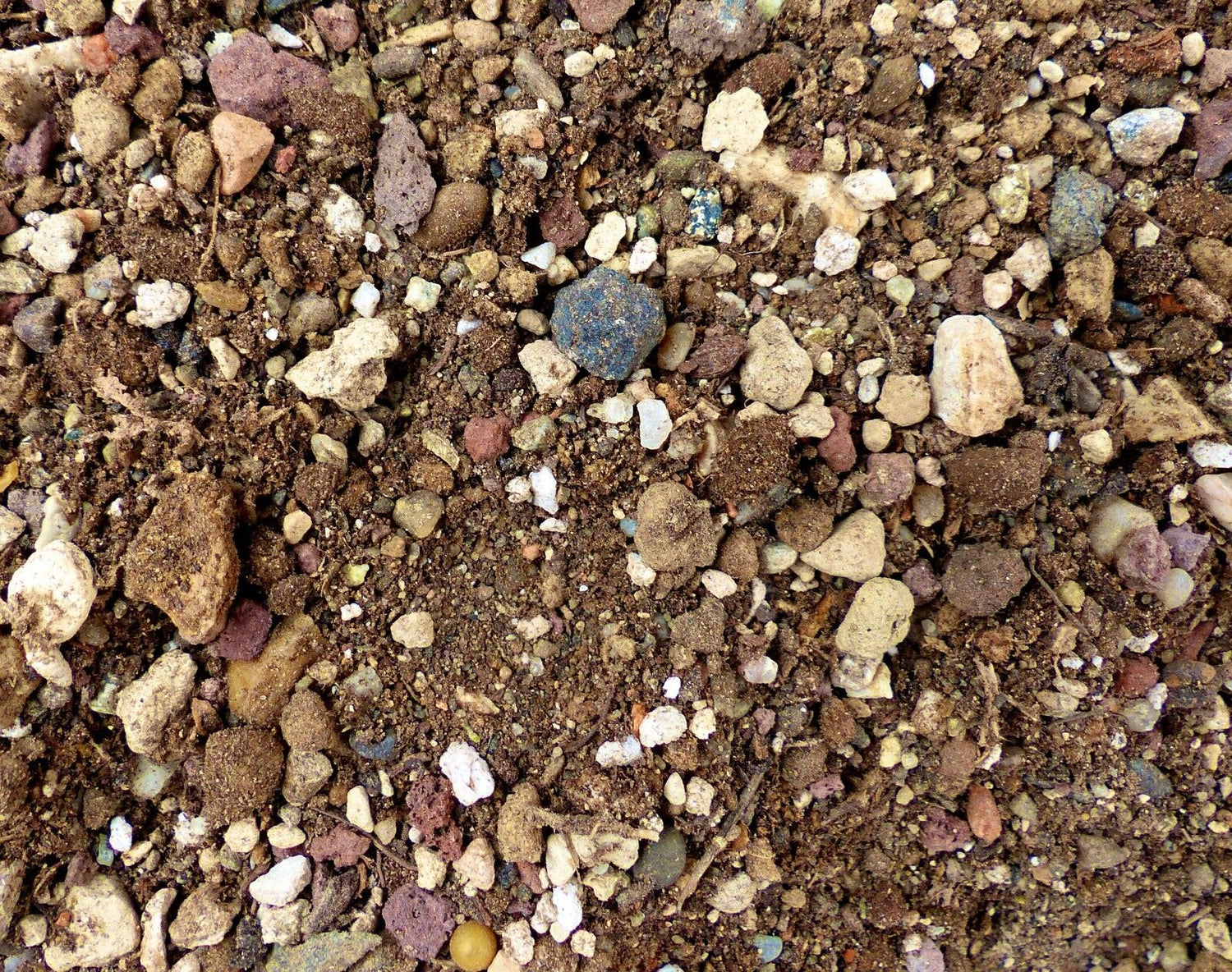
Gardening Tools & Soils
Gardening tools – essentials for healthy soils and thriving plants Building a...


