
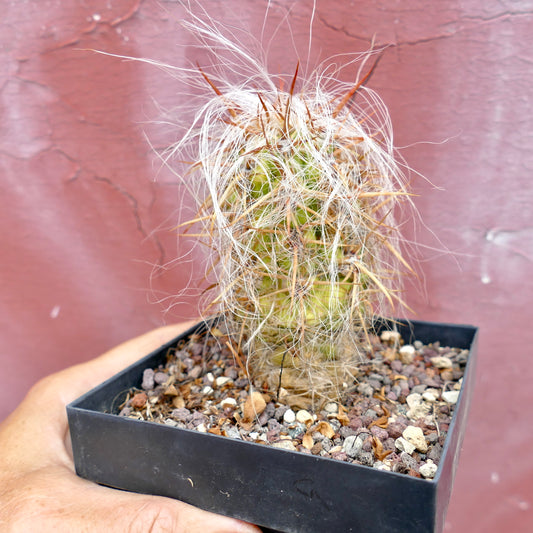
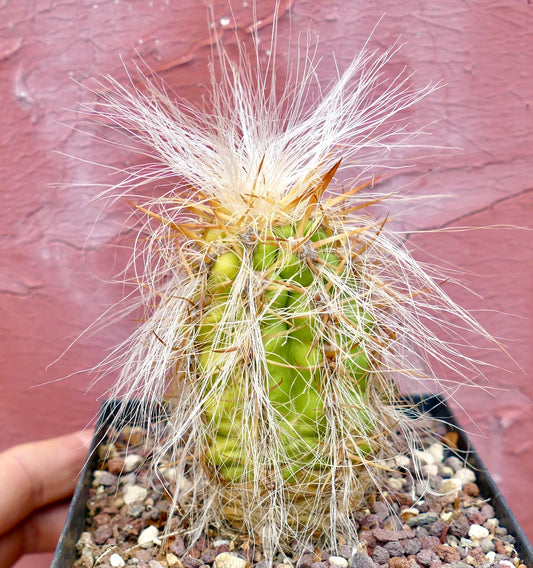
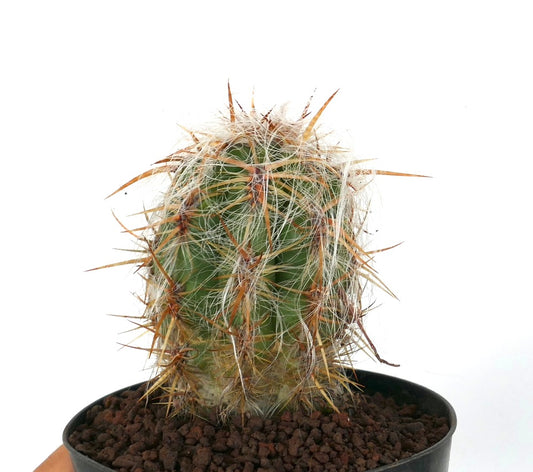
Oreocereus celsianus
-
Oreocereus celsianus (C36A-SSR)
Regular price €7,00 EURRegular price€14,00 EURSale price €7,00 EURSale -
Oreocereus celsianus 2 HEADS
Regular price €19,00 EURRegular price€40,00 EURSale price €19,00 EURSale -
Oreocereus celsianus 88CX
Regular price €4,50 EURRegular price€9,00 EURSale price €4,50 EURSale -
Oreocereus celsianus CY3
Regular price €5,00 EURRegular price€10,00 EURSale price €5,00 EURSale -
Oreocereus celsianus LONG HAIRS
Regular price €11,00 EURRegular price€0,00 EURSale price €11,00 EUR -
Oreocereus celsianus LONG HAIRS
Regular price €12,00 EURRegular price€24,00 EURSale price €12,00 EURSale -
Oreocereus celsianus SELECTED 66K
Regular price €5,00 EURRegular price€10,00 EURSale price €5,00 EURSale -
Oreocereus celsianus STRONG RED SPINES
Regular price €8,00 EURRegular price€18,00 EURSale price €8,00 EURSale -
Oreocereus celsianus STRONG SPINES
Regular price €12,00 EURRegular price€0,00 EURSale price €12,00 EUR -
Oreocereus celsianus STRONG SPINES
Regular price €6,00 EURRegular price€18,00 EURSale price €6,00 EURSale -
Oreocereus celsianus SUPER HAIRS
Regular price €13,00 EURRegular price€0,00 EURSale price €13,00 EUR -
Oreocereus celsianus var celsianus
Regular price €10,00 EURRegular price€20,00 EURSale price €10,00 EURSale -
Oreocereus celsianus var. boliviensis
Regular price €10,00 EURRegular price -
Oreocereus celsianus var. boliviensis
Regular price €12,00 EURRegular price€0,00 EURSale price €12,00 EUR -
Oreocereus celsianus var. boliviensis
Regular price €13,00 EURRegular price€0,00 EURSale price €13,00 EUR -
Oreocereus celsianus var. boliviensis
Regular price €12,00 EURRegular price€22,00 EURSale price €12,00 EURSale -
Oreocereus celsianus var. boliviensis FA4
Regular price €15,00 EURRegular price -
Oreocereus celsianus var. boliviensis V8
Regular price €10,00 EURRegular price -

 Sold out
Oreocereus celsianus var. celsianus
Regular price €18,00 EURRegular price€0,00 EURSale price €18,00 EURSold out -
Oreocereus celsianus var. celsianus
Regular price €12,00 EURRegular price€0,00 EURSale price €12,00 EUR -

 Sold out
Oreocereus celsianus var. celsianus
Regular price €12,00 EURRegular price€24,00 EURSale price €12,00 EURSold out -
Oreocereus celsianus var. celsianus
Regular price €18,00 EURRegular price€50,00 EURSale price €18,00 EURSale -
Oreocereus celsianus VERY LONG HAIRS
Regular price €14,00 EURRegular price€22,00 EURSale price €14,00 EURSale














Other Collections in the Archive
-

Specimen Plants
Specimen Plants in our Store Specimen Plants captivate plant enthusiasts with their...
-

Catalogue Plants
Catalogue plants provide a wide variety of options to elevate your garden...
-

Gardening Tools & Soils
Gardening tools – essentials for healthy soils and thriving plants Building a...


