
Orange Trees
-
Citrus sinensis TAROCCO (Sicily)
Regular price From €52,00 EURRegular price -
Citrus aurantium cv 'Picasso'
Regular price From €90,00 EURRegular price -
Citrus sinensis cv 'Moro' 50-70cm
Regular price €65,00 EURRegular price -
Citrus x aurantium 'Arcobal'
Regular price From €100,00 EURRegular price -
Citrus sinensis cv TAROCCO SCIRE' (Sicily)
Regular price From €65,00 EURRegular price -
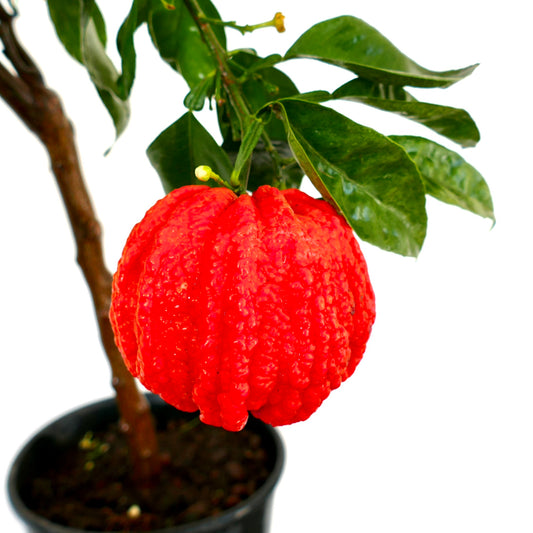
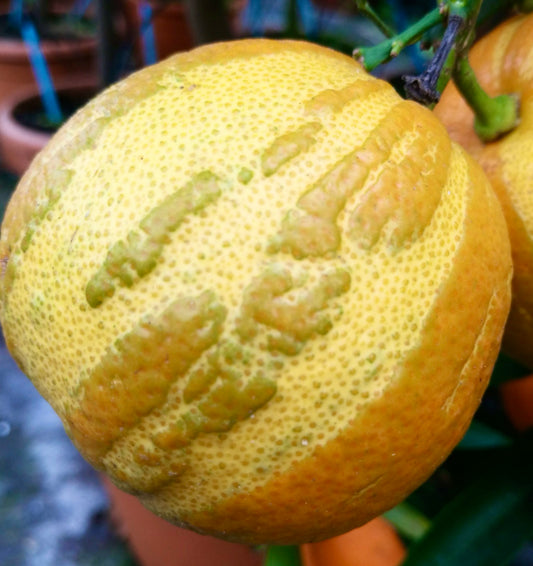
Citrus aurantium 'Corrugated VESUVIUM'
Regular price From €120,00 EURRegular price -
Citrus sinensis NAVEL WASHINGTON
Regular price From €65,00 EURRegular price -
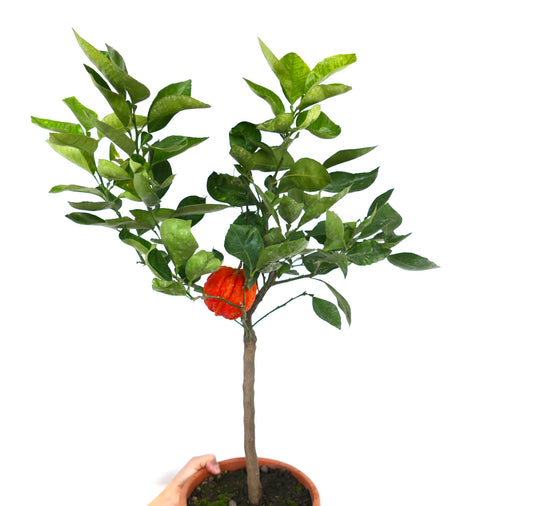
Citrus aurantium 'Corrugated Orange'
Regular price From €85,00 EURRegular price -
Citrus × tangelo MAPO
Regular price From €60,00 EURRegular price -
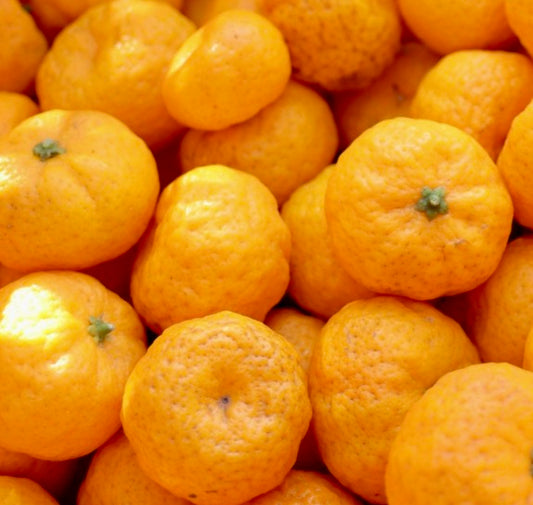
Citrus x myrtifolia
Regular price From €60,00 EURRegular price -
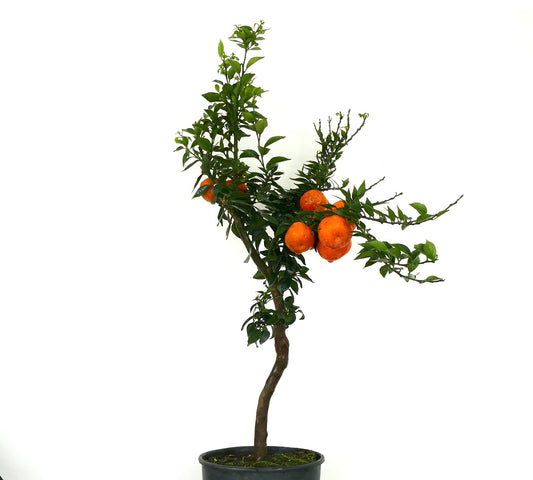
Citrus aurantium VIRGATUM (also know as Bitter Swiss ORANGE) 20-50cm
Regular price €140,00 EURRegular price -
Citrus × tachibana
Regular price From €100,00 EURRegular price









Collection: Orange Trees
Orange Trees: A Classic Citrus for Home Gardens
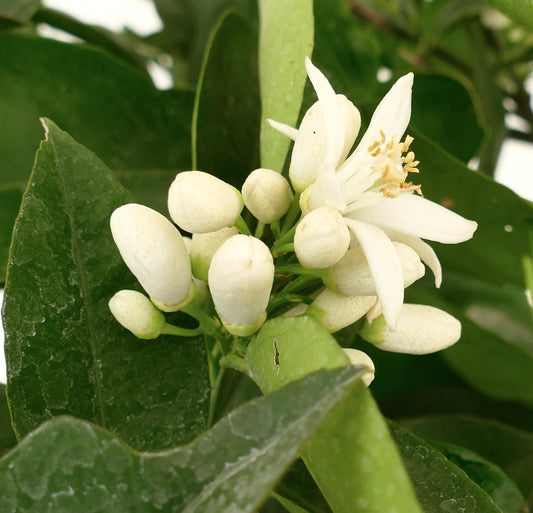
Orange trees represent a well-known symbol of Mediterranean and subtropical landscapes, admired for their glossy evergreen leaves, fragrant white flowers, and succulent fruit. These trees belong to the genus Citrus, which comprises several species and cultivars adapted to warm climates. From traditional orange tree varieties to compact dwarf orange trees, they flourish in sunny locations with well-drained soils. Popular types such as the blood orange tree, navel orange tree, and Valencia orange each provide distinctive flavors and ornamental appeal, making them favored choices in both commercial and home gardens.
In their natural environments, these evergreen trees can reach medium to tall heights, creating generous canopies that not only provide shade but also host diverse ecological interactions. Their leaves, typically dark green and glossy, remain throughout the year, offering year-round structure and visual interest in both orchards and ornamental landscapes. The flowering season introduces aromatic white blossoms, known to attract pollinators such as bees and butterflies, which play a crucial role in fruit development.
These plants require consistent warmth and benefit from sheltered spots in temperate zones to protect them from cold winds or frost damage. The soil should be rich in organic matter yet well-draining, as excess moisture can lead to root rot. In urban or small-space gardening, certain cultivars are grafted onto dwarfing rootstocks, allowing them to thrive in containers or raised beds without compromising fruit production. Regular pruning helps maintain airflow within the crown and shapes the overall structure of the plant, which supports long-term health and harvest quality.
Each cultivar bears fruit with varying peel textures, juice content, and sugar-acid balance, making them suitable for a range of uses—from fresh consumption to marmalades and juices. The blood orange tree, for example, produces fruit with deep red pigment due to anthocyanins, offering both visual novelty and nutritional value. Meanwhile, the Valencia orange is prized for its juicing quality, and the navel variety is preferred for eating fresh thanks to its seedless segments and easy-to-peel rind.
Beyond their productivity, these trees also function as landscape anchors, particularly in formal gardens or orchard rows. Their aromatic blossoms and bright fruit offer multi-season interest, and their ability to adapt to various training methods—such as espalier or patio tree forms—makes them versatile subjects for both practical and decorative cultivation.

The Timeless Charm of Orange Trees
These trees exhibit morphological adaptations suitable for their environments, including leathery leaves that reduce water loss and fragrant flowers that attract pollinators like bees. The fruit develops over several months, with color and taste varying among cultivars. Orange trees commonly occur in regions with mild winters and hot summers, thriving in Mediterranean, subtropical, and some tropical zones. Their ecological role extends to supporting pollinator populations and providing food for various animals. Additionally, they contribute to the aesthetics and microclimate of gardens by offering shade and greenery.

Growing and Maintaining Healthy Orange Trees
Successful cultivation requires full sun exposure and soil with good drainage to prevent root diseases. Growers should apply a citrus-specific fertilizer that supplies essential nutrients such as nitrogen, phosphorus, potassium, and trace minerals. Consistent watering is crucial but avoid waterlogging, which can harm roots. Pruning improves airflow within the canopy, reducing disease risk and encouraging fruit production. Whether planting an indoor orange tree or an outdoor specimen, understanding the tree’s environmental needs enhances growth and fruit yield.
In addition, orange trees benefit from mulching to conserve moisture and protect roots from temperature fluctuations. Pest management is important, as these trees can attract aphids, scale insects, and citrus leaf miners. Integrated pest control strategies help maintain tree health without excessive chemical use.
Indoor and Patio Orange Tree Options
In cooler climates or limited spaces, growing orange trees in containers offers an effective alternative. Miniature orange trees and dwarf varieties adapt well to pots, allowing gardeners to enjoy fresh fruit and ornamental foliage on patios or indoors. Container cultivation requires attention to pot size, drainage, and regular fertilization. Placing these trees near bright windows or under grow lights supports photosynthesis and flowering. With proper care, even an indoor orange tree can produce fruit year-round, adding both beauty and utility to home environments.
Container-grown orange trees also allow for mobility, so growers can protect them from frost or extreme weather. This flexibility supports extended cultivation beyond traditional growing zones.
Key Characteristics and Ecological Benefits of Orange Trees
Orange trees exhibit several distinctive traits that support their survival and ecological interactions. Their fragrant flowers attract pollinators, which are vital for fruit set. The fruit provides food for various animals, aiding seed dispersal in wild relatives. Cultivated varieties, however, are often propagated clonally to maintain fruit quality.
These trees also improve local biodiversity by offering habitat and resources for insects and birds. Furthermore, orange trees contribute to soil health through leaf litter and root activity, enhancing nutrient cycling in garden ecosystems.
Below is a summary of important orange tree features and cultivation aspects:
- Adapted to warm, sunny climates with well-drained soils
- Produce fragrant white flowers that attract pollinators like bees
- Require consistent watering without waterlogging
- Benefit from pruning to improve airflow and fruit yield
- Dwarf and miniature varieties grow well in containers for indoor or patio use
Other Collections in the Archive
-

Specimen Plants
Specimen Plants in our Store Specimen Plants captivate plant enthusiasts with their...
-
Catalogue Plants
Catalogue plants provide a wide variety of options to elevate your garden...
-

Gardening Tools & Soils
Gardening tools – essentials for healthy soils and thriving plants Building a...


