Olive Trees: Evergreen Elegance and Mediterranean Fruitfulness
Olive trees (Olea europaea) are emblematic evergreen plants native to the Mediterranean Basin. They feature silver-green foliage and distinctive gnarled trunks that develop character with age. Cultivated for thousands of years, these trees hold cultural significance, symbolizing peace, wisdom, and longevity. They produce valuable fruit used for oil and table olives. Today, olive trees are available in various forms, including dwarf olive trees, bonsai, and full-sized orchard specimens, adapting well to diverse environments such as gardens, containers, and urban patios.
Botanical Identity and Cultural Heritage
The species Olea europaea belongs to the Oleaceae family. It displays leathery, lance-shaped leaves with a characteristic silvery underside that reflects sunlight, reducing water loss. This adaptation suits the dry, hot Mediterranean climate where it naturally thrives. Olive trees have been integral to Mediterranean agriculture, cuisine, and mythology. Their wood and fruit have practical and symbolic uses, contributing to human culture for millennia.
Growth Conditions and Climate Suitability
Growing olive trees successfully requires well-drained soils, preferably sandy or loamy, to prevent root diseases. They demand full sun exposure and tolerate drought due to deep root systems. Some cold hardy olive tree varieties can endure brief frost periods, especially when mature. Potted olive trees adapt well to balconies and terraces, benefiting from protection during cold snaps. Indoor cultivation is possible with sufficient light and humidity control. Overall, drainage remains crucial whether planted in-ground or in containers to avoid root rot.
Care, Pruning, and Fertilization
Olive tree care involves moderate watering that mimics their native dry environment, avoiding waterlogging. Applying a balanced fertilizer in spring supports healthy growth and fruit development. Annual pruning shapes the tree, improves airflow, and removes dead or crossing branches. This practice enhances fruit yield and tree longevity. Container-grown trees require regular repotting to refresh soil and accommodate root growth, along with slightly increased watering frequency compared to ground-planted trees.
Flowering and Fruit Production
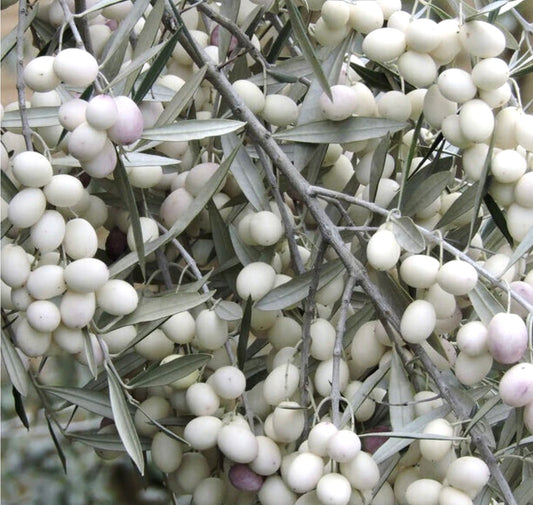
Olive trees bloom in late spring, producing clusters of small, fragrant white flowers. Fruit set depends on the cultivar, pollination conditions, and sunlight intensity. While some trees are self-pollinating, cross-pollination with different cultivars often improves fruit quantity and quality. The olives mature from late summer through early winter. Harvested fruits serve for oil extraction or curing for table consumption, each process requiring specific timing and methods to optimize flavor and nutritional value.
Ornamental and Edible Appeal
Besides their agricultural value, olive trees contribute significant Mediterranean charm to landscapes. Their sculptural trunks and evergreen leaves create striking visual interest year-round. They support organic cultivation practices and enable home olive harvesting.
- Adapt well to drought and poor soils
- Provide habitat and food for local wildlife
- Display resilience to pests and diseases
- Offer ecological benefits through carbon sequestration
- Enhance biodiversity in Mediterranean gardens
These qualities make olive trees suitable for sustainable gardening and climate-conscious planting, enriching both ecosystem and human experience.

 Sold out